

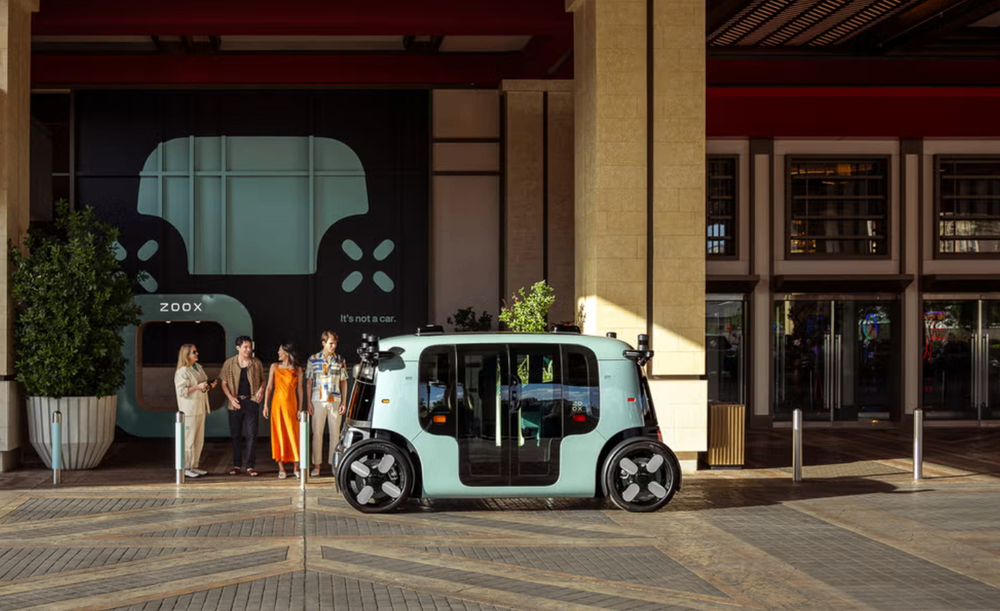
Amazon-owned autonomous vehicle company Zoox has begun mapping streets in Dallas and Phoenix as part of its broader push to expand its robotaxi network across major U.S. cities, signaling the next stage in a fast-moving technological race to bring fully autonomous ride-hailing services to the public. The mapping effort involves deploying specially equipped vehicles to collect detailed road data—traffic patterns, lane configurations, and infrastructure information—so that the company’s self-driving software can safely navigate complex urban environments before live testing begins. The move reflects a strategic expansion beyond Zoox’s early deployments in places such as San Francisco and Las Vegas, where the company has already begun limited robotaxi operations. While Zoox still awaits certain federal approvals to launch broader commercial service, the expansion into Sun Belt metros demonstrates how major technology players are accelerating investment in autonomous transportation in anticipation of a nationwide rollout. By entering markets like Dallas and Phoenix—cities known for rapid population growth and car-dependent infrastructure—Zoox is positioning itself to compete directly with other autonomous-vehicle initiatives racing to define the future of urban mobility.
Sources
https://finance.yahoo.com/news/zoox-starts-mapping-dallas-phoenix-141434825.html
https://www.alphaspread.com/market-news/corporate-moves/amazons-zoox-expands-robotaxi-testing-to-phoenix-and-dallas-opens-arizona-command-hub
Key Takeaways
- Zoox has begun mapping Dallas and Phoenix as a preparatory step toward testing and eventually launching autonomous robotaxi services in those cities.
- The mapping process allows the company’s self-driving systems to build detailed digital road models and adapt to local traffic patterns before live testing begins.
- The expansion reflects intensifying competition among major tech companies seeking to dominate the emerging robotaxi market in fast-growing American metro areas.
In-Depth
The autonomous vehicle race is entering a decisive phase, and the latest move by Amazon’s Zoox shows how aggressively technology companies are preparing for a transportation revolution that could reshape American cities. By sending mapping vehicles into Dallas and Phoenix, Zoox is laying the groundwork for a future where driverless ride-hailing fleets operate routinely across sprawling metropolitan regions.
Mapping may sound mundane, but it is one of the most critical steps in building a functional autonomous driving network. Vehicles equipped with cameras, lidar sensors, radar, and high-precision GPS equipment travel through city streets collecting vast amounts of environmental data. Every lane marking, traffic signal, curb, and intersection must be cataloged so the autonomous driving system can understand its surroundings with extreme precision. The resulting digital maps allow the system to anticipate road layouts and navigate safely even in complex traffic conditions.
For Zoox, the choice of Dallas and Phoenix is far from accidental. Both metropolitan areas are among the fastest-growing in the United States and feature infrastructure heavily oriented toward car travel. Wide roadways, suburban sprawl, and expanding populations make them ideal proving grounds for autonomous ride-hailing services that could eventually replace traditional taxis or rideshare vehicles.
The expansion also reflects the intensifying competition in the autonomous mobility sector. Companies backed by some of the world’s most powerful technology firms are racing to commercialize driverless transportation. Several autonomous vehicle developers already operate limited robotaxi services in select cities, while others are preparing major rollouts later this decade. In that environment, establishing an operational footprint in key metro areas early could prove decisive.
Zoox’s approach differs from some competitors because it is building vehicles specifically designed for autonomous operation rather than modifying traditional cars. Its robotaxi design removes conventional driver controls like steering wheels and pedals, instead focusing entirely on passenger experience and autonomous navigation systems. The vehicles typically seat four riders facing each other, emphasizing the idea that future urban transportation may resemble shared transit more than individual car ownership.
Still, the path toward widespread robotaxi deployment remains complicated. Autonomous vehicle companies must navigate regulatory scrutiny, safety validation, and public trust concerns before launching large-scale commercial services. Federal transportation authorities continue to evaluate how vehicles without traditional driver controls should be certified and regulated.
Despite those challenges, the mapping push into Dallas and Phoenix underscores a broader reality: the robotaxi era is no longer theoretical. Major companies are investing billions of dollars to ensure they are first in line when autonomous transportation becomes mainstream. If these mapping efforts lead to successful testing and deployment, the next few years could mark the moment when driverless ride-hailing transitions from experimental technology to a regular feature of everyday American life.