

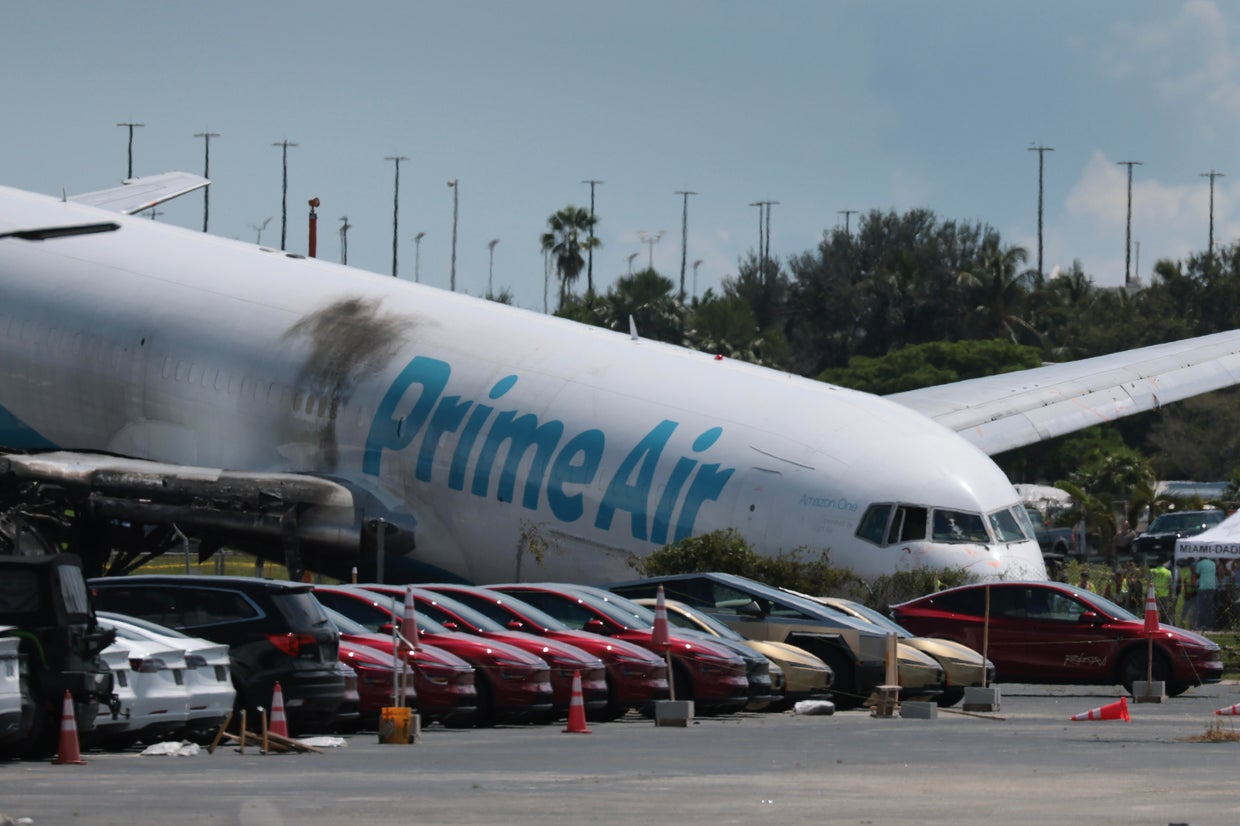
Amazon has suspended operations with cargo carrier 21 Air following the Sept. 6 crash of an Amazon Air Boeing 767-300 at Miami International Airport that killed five ground workers and injured five people. The aircraft, operating as Flight 7598 from San Juan, overran Runway 30 and traveled roughly 1,300 feet beyond the paved surface before striking vehicles. Preliminary federal evidence indicates the aircraft landed far down the runway at high speed, while flight data showed that speed brakes and thrust reversers were not deployed. The decision to halt 21 Air operations comes amid an ongoing federal investigation and renewed scrutiny of allegations from former employees concerning the carrier’s maintenance practices, crew rest, training and safety-reporting culture. Those allegations have not been established as contributing factors in the crash, and investigators have not yet determined a probable cause.
Key Takeaways
- Amazon has suspended its relationship with 21 Air while investigators examine the fatal runway overrun, saying the decision followed its review of the circumstances surrounding the accident.
- Preliminary investigative evidence indicates the Boeing 767 landed far down the runway at excessive speed, with the crew considering a go-around; recorded data showed no deployment of speed brakes or thrust reversers before the aircraft left the runway.
- The accident has brought new attention to earlier allegations by former 21 Air employees involving maintenance, pilot rest, training and internal safety reporting, potentially broadening scrutiny from the cockpit decisions to corporate oversight and Amazon’s vetting of aviation contractors.
In-Depth
Amazon’s decision to suspend 21 Air is a necessary response to a disaster that raises questions extending well beyond the landing. The Sept. 6 crash involved a Boeing 767-300 operating as Amazon Air Flight 7598 from San Juan. The aircraft overran Runway 30 at Miami International Airport, struck vehicles and killed five ground workers. Five others were injured.
Preliminary findings are troubling. Investigators say the aircraft landed far down the runway at high speed. Cockpit and flight-data evidence indicates the crew considered a go-around, while recorded data showed no deployment of the speed brakes or thrust reversers before the aircraft left the runway. The final cause remains undetermined, and investigators are examining crew actions, weather, maintenance and company procedures.
The broader concern is 21 Air’s safety history. Former employees alleged problems involving maintenance, pilot rest, training and the reporting of safety concerns. Those allegations were disputed by former company leadership, and investigators have not established that they contributed to this crash. Still, their existence makes Amazon’s contractor oversight an issue.
Amazon built its logistics network partly by contracting flying to outside cargo carriers. That model can provide flexibility and scale, but outsourcing operations does not outsource reputational responsibility. When an aircraft wears Amazon branding and moves Amazon packages, customers understandably associate the operation with Amazon.
The suspension therefore should be viewed as more than damage control. Federal investigators must determine what failed in Miami, while Amazon should determine whether its standards for selecting, auditing and retaining aviation contractors were rigorous.
Sources
- https://www.ntsb.gov/investigations/Pages/DCA26MA352.aspx
- https://www.ntsb.gov/news/press-releases/Pages/NR20260909.aspx
- https://www.faa.gov/newsroom/statements/accident_incidents
- https://www.cbsnews.com/news/miami-plane-crash-21-air-safety-record/
- https://www.reuters.com/business/retail-consumer/amazon-pauses-21-air-operations-after-miami-crash-wsj-reports-2026-09-14/