

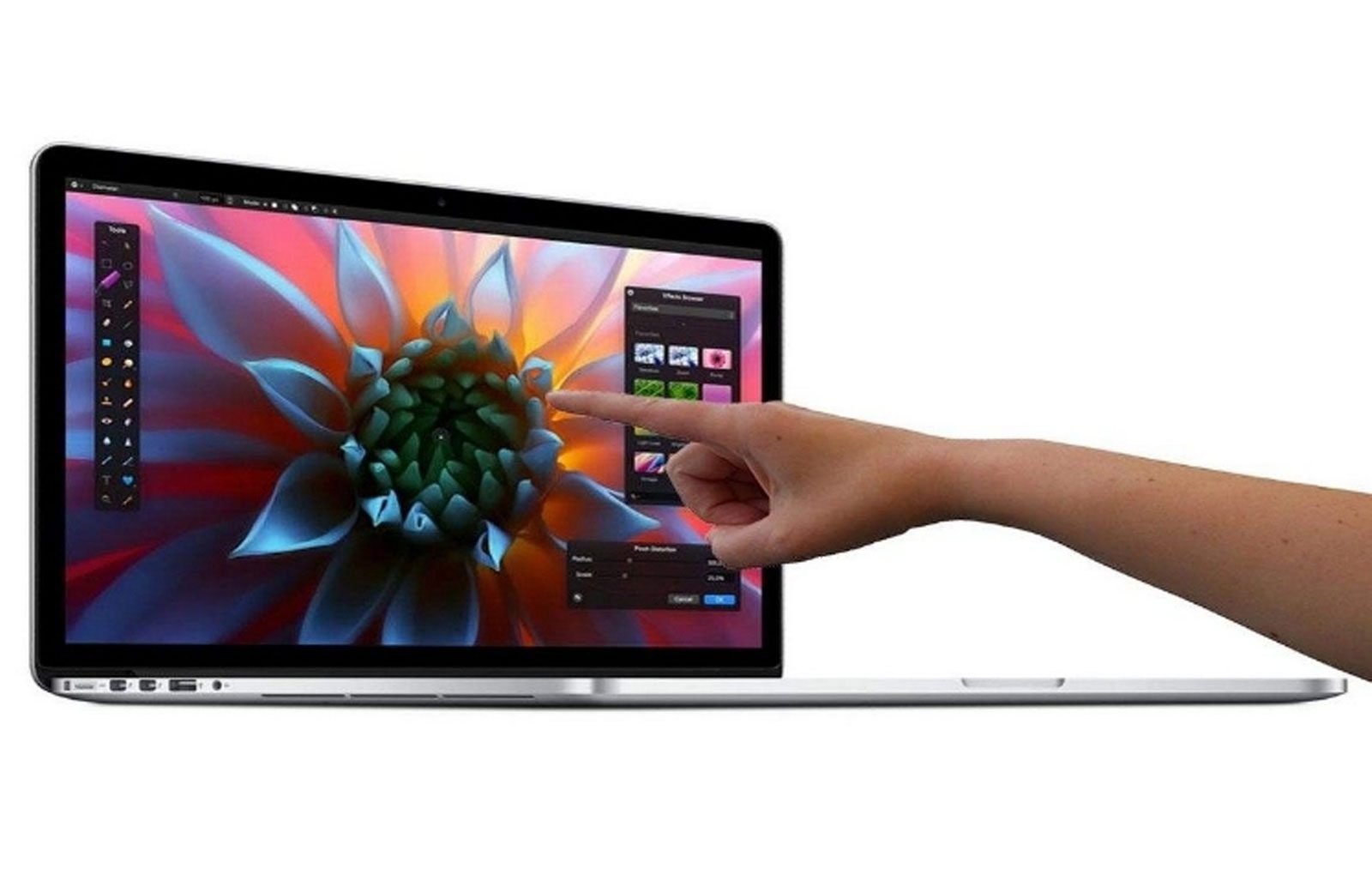
Apple has introduced its first touchscreen MacBook Pro, marking a significant departure from the company’s longstanding opposition to touch-enabled laptop computers. Unveiled Wednesday, Oct. 28, 2026, the redesigned laptops feature 14-inch and 16-inch PROLED XDR displays using advanced OLED technology, M5 Pro and M5 Max processors, and an interactive Dynamic Island interface. The new models combine touchscreen functionality with traditional keyboard and trackpad controls, offering consumers additional ways to navigate applications and perform professional tasks. Prices begin at $2,899 for the 14-inch model and $3,399 for the 16-inch version, positioning the devices firmly in the premium computer market. Available for preorder immediately, the laptops are scheduled to reach customers Nov. 6. The announcement reverses a philosophy championed by Apple co-founder Steve Jobs, who argued that touchscreen laptops presented ergonomic problems, and represents a major strategic adjustment as Apple competes for customers in an increasingly crowded personal computer market.
Key Takeaways
- Historic reversal: Apple has introduced touchscreen functionality to the MacBook Pro, abandoning a longstanding position that favored traditional laptop controls over direct screen interaction.
- Major hardware upgrades: The redesigned laptops feature OLED displays, M5 Pro and M5 Max processors, Dynamic Island functionality, and up to 24 hours of battery life.
- Premium pricing: The 14-inch touchscreen MacBook Pro starts at $2,899, while the 16-inch version begins at $3,399, with both scheduled for availability Nov. 6.
In-Depth
Apple’s introduction of its first touchscreen MacBook Pro represents a fundamental change in the company’s approach to personal computing, ending years of resistance to technology already common among competing laptop manufacturers.
Unveiled Wednesday in Los Angeles, the redesigned computers incorporate touch-sensitive OLED displays while retaining conventional keyboards and trackpads. The decision reverses a position famously defended by Apple co-founder Steve Jobs, who questioned the practicality and comfort of touchscreen laptops.
The new 14-inch and 16-inch models feature PROLED XDR displays capable of reaching 2,000 nits of brightness, alongside M5 Pro and M5 Max processors. Apple’s Dynamic Island interface, previously associated with its smartphones, also makes its Mac debut, providing access to notifications and interactive features.
Touchscreen capabilities allow users to navigate documents, manipulate images, arrange windows and interact directly with professional software. Apple has also redesigned elements of its operating system to accommodate touch input without eliminating the familiar desktop experience.
However, the technological improvements carry substantial costs. The 14-inch model starts at $2,899, while the 16-inch version begins at $3,399, placing both beyond the budgets of many ordinary consumers. Higher-performance configurations command considerably greater prices.
The announcement also raises questions about Apple’s longstanding reluctance to adopt established technologies until they fit its broader product strategy. Competitors have offered touchscreen laptops for years, demonstrating that the feature itself is hardly revolutionary.
For consumers, the meaningful test will be whether Apple’s implementation delivers measurable productivity improvements that justify its premium pricing. With availability beginning Nov. 6, market demand will ultimately determine whether this reversal becomes a lasting transformation of the MacBook lineup.
Sources
• https://www.nytimes.com/2026/10/28/technology/apple-touch-screen-macbook-pro.html
• https://arstechnica.com/apple/2026/10/apple-announces-touchscreen-macbook-pro-with-oled-display/
• https://techcrunch.com/2026/10/28/apple-launches-its-new-touchscreen-macbook-pro/
• https://www.tomsguide.com/computing/macbooks/apple-reveals-oled-touchscreen-macbook-pro