

Close Menu

    Subscribe to Updates

    Get the latest creative news from FooBar about art, design and business.

    What's Hot

    Hidden Leak Undercuts “Miracle” Electronics Insulator Discovery

    January 28, 2026

    Robot Lip-Sync Breakthrough: Machine Learns Realistic Speech Movement from YouTube

    January 28, 2026

    New Malicious Chrome Extensions Steal Enterprise HR Credentials and Enable Full Account Takeovers

    January 27, 2026
    Facebook X (Twitter) Instagram
    • Tech
    • AI News
    • Get In Touch
    Facebook X (Twitter) LinkedIn
    TallwireTallwire
    • Tech

      Robot Lip-Sync Breakthrough: Machine Learns Realistic Speech Movement from YouTube

      January 28, 2026

      Hidden Leak Undercuts “Miracle” Electronics Insulator Discovery

      January 28, 2026

      New Malicious Chrome Extensions Steal Enterprise HR Credentials and Enable Full Account Takeovers

      January 27, 2026

      Patent Data Reveals U.S. Tech Growth Shifting to Batteries and Sustainable Materials

      January 27, 2026

      Meta’s Metaverse Retreat Signals VR Era Is Fading

      January 27, 2026
    • AI News

      Robot Lip-Sync Breakthrough: Machine Learns Realistic Speech Movement from YouTube

      January 28, 2026

      Adobe Rolls Out New AI-Powered Video Editing Tools in Premiere and After Effects

      January 27, 2026

      Patent Data Reveals U.S. Tech Growth Shifting to Batteries and Sustainable Materials

      January 27, 2026

      Google Temporarily Disables YouTube’s Advanced Captions, Triggering Backlash

      January 27, 2026

      Meta’s Metaverse Retreat Signals VR Era Is Fading

      January 27, 2026
    • Security

      New Malicious Chrome Extensions Steal Enterprise HR Credentials and Enable Full Account Takeovers

      January 27, 2026

      Chinese AI Leaders Warn US Lead Is Widening in Tech Race

      January 25, 2026

      Emergency Windows 11 Shutdown Bug Prompts Microsoft To Release Urgent Fix

      January 25, 2026

      Pentagon Integrates Elon Musk’s Grok AI Into U.S. Military Systems Amid Innovation Push

      January 25, 2026

      Starlink Becomes Critical Internet Lifeline Amid Iran Protest Crackdown

      January 25, 2026
    • Health

      Biotics AI Secures FDA Clearance for AI-Driven Fetal Ultrasound Tool

      January 27, 2026

      Israeli Defense Corps Unveils AI-Driven PTSD Tools and Blood-Delivering Drones

      January 26, 2026

      New AI Model Flags Hidden Risks in Drinking Water Disinfection

      January 24, 2026

      Anthropic Launches Claude for Healthcare to Rival OpenAI’s ChatGPT Health

      January 20, 2026

      Goldman Sachs Says Young Workers Better Poised for Tech-Era Changes

      January 18, 2026
    • Science

      Robot Lip-Sync Breakthrough: Machine Learns Realistic Speech Movement from YouTube

      January 28, 2026

      Hidden Leak Undercuts “Miracle” Electronics Insulator Discovery

      January 28, 2026

      Biotics AI Secures FDA Clearance for AI-Driven Fetal Ultrasound Tool

      January 27, 2026

      Israeli Defense Corps Unveils AI-Driven PTSD Tools and Blood-Delivering Drones

      January 26, 2026

      New AI Model Flags Hidden Risks in Drinking Water Disinfection

      January 24, 2026
    • People

      Starlink Becomes Critical Internet Lifeline Amid Iran Protest Crackdown

      January 25, 2026

      Musk Pledges to Open-Source X’s Recommendation Algorithm, Promising Transparency

      January 21, 2026

      Meta Taps Former Trump National Security Advisor Dina Powell McCormick as New President, Vice Chair

      January 19, 2026

      Big Tech Scores a Win as Europe Softens Digital Rule Overhaul

      January 18, 2026

      Google’s John Mueller Tells Marketers to Prioritize Real Audience Data Over SEO vs. GEO Buzz

      January 17, 2026
    TallwireTallwire
    Home»Government»Australia Removes Nearly 5 Million Under-16 Social Media Accounts Following Landmark Ban
    Government

    Australia Removes Nearly 5 Million Under-16 Social Media Accounts Following Landmark Ban

    5 Mins Read
    Facebook Twitter Pinterest LinkedIn Tumblr Email
    Australia Launches $14M “For The Good Of” Campaign to Justify New Under-16 Social Media Ban
    Australia Launches $14M “For The Good Of” Campaign to Justify New Under-16 Social Media Ban
    Share
    Facebook Twitter LinkedIn Pinterest Email

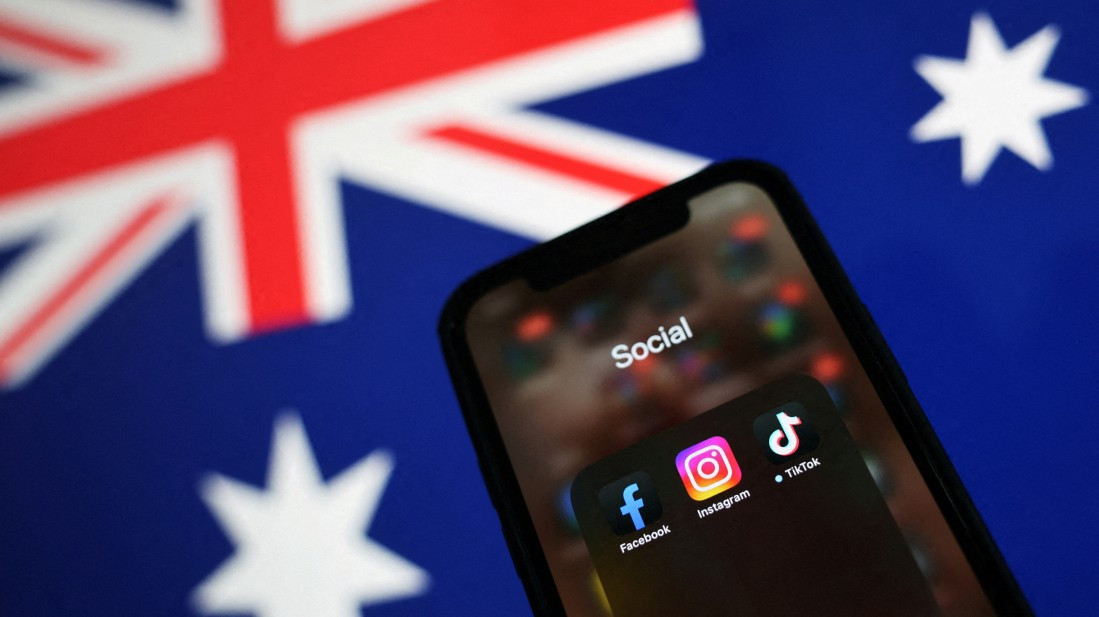
    Australian officials say social media companies have deactivated or removed approximately 4.7 million to nearly 5 million accounts belonging to children under the age of 16 since the country’s world-first age-based ban on social media use took effect on December 10, 2025. According to reports from Australia’s eSafety Commissioner and government statements, the removal figures come from major platforms covered by the Online Safety Amendment (Social Media Minimum Age) Act 2024, which requires firms like Facebook, Instagram, TikTok, Snapchat, X, YouTube, Reddit, Threads, Twitch and Kick to take “reasonable steps” to prevent under-16 users from having accounts or face fines of up to 49.5 million Australian dollars. The action has been touted by government officials as a significant early success in safeguarding children’s mental health and limiting harmful online exposure, though critics warn that minors may still find workarounds and that enforcement complexities persist. The scale of deactivations suggests nearly every affected teenager was logged out, with some having held multiple accounts, and the policy is drawing international attention as other nations evaluate similar restrictions.

    Sources:

    https://www.theepochtimes.com/world/australia-removes-nearly-5-million-under-16-social-media-accounts-after-ban-5971821
    https://www.reuters.com/world/asia-pacific/australia-social-media-ban-hits-47-million-teen-accounts-first-month-2026-01-15/
    https://www.aljazeera.com/news/2026/1/16/australia-declares-child-social-media-ban-victory-as-4-7m-accounts-closed

    Key Takeaways

    • Australia’s under-16 social media ban has resulted in the deactivation or removal of roughly 4.7 million to nearly 5 million accounts in the first month of enforcement.
    • The policy is rooted in the Online Safety Amendment (Social Media Minimum Age) Act 2024 and applies to major social platforms, which must comply or face substantial fines.
    • Government officials frame the removals as a win for child safety and mental health, but debates continue over enforcement challenges and possible circumvention by tech-savvy minors.

    In-Depth

    Australia’s sweeping move to ban children under the age of 16 from holding social media accounts has quickly transitioned from legislative ambition to tangible action, registering one of the most substantial early outcomes in recent technology regulation history. The Online Safety Amendment (Social Media Minimum Age) Act 2024, signed into law by the Australian Parliament and activated on December 10, 2025, mandates that major social media platforms implement systems to prevent users younger than 16 from accessing accounts while physically in Australia. Within about a month of the law taking effect, the combined effort of platforms such as Facebook, Instagram, X (formerly Twitter), Snapchat, TikTok, YouTube, Threads, Twitch, Kick and Reddit resulted in the deactivation, removal or restriction of roughly 4.7 million to nearly 5 million accounts believed to belong to under-16 users. These numbers were reported by Australia’s eSafety Commissioner and cited by government officials who see them as evidence that the policy is functioning at scale.

    On its face, the rapid purge of these accounts underscores the law’s enforceability and the willingness of global tech companies to modify their operations in response to national regulation. Under the legislation, platforms are subject to fines of up to 49.5 million Australian dollars if they do not demonstrate “reasonable steps” toward compliance, an incentive that appears to have motivated swift action. Government representatives have framed the mass removals as early validation of the policy’s intent: mitigating exposure to potentially harmful online content and social pressures that critics argue contribute to deteriorating youth mental health. Prime Minister Anthony Albanese and Communications Minister Anika Wells have publicly championed the results as a proactive defense of childhood, with rhetoric emphasizing parental confidence that Australian children will be less exposed to the risks of persistent social media use.

    Nonetheless, questions linger about the efficacy and broader implications of such a sweeping approach. Critics, including privacy advocates and youth rights groups, contend that determining a user’s age with precision remains difficult and that tech-savvy adolescents may exploit loopholes, VPNs or lesser-known platforms not immediately covered by the law to retain access. There are additional concerns about unintended effects, such as isolating teens from beneficial online communities or social networks that serve educational or support functions. Meanwhile, some international observers are watching Australia’s experience with keen interest, considering whether similar regulatory models could be implemented elsewhere. In New Zealand, for example, legislators have proposed age-restricted social media rules that echo Australia’s framework.

    The early enforcement period also revealed that some platforms, notably Meta, proactively removed significant numbers of under-16 accounts ahead of or in concert with regulatory deadlines. Estimates based on census projections suggest the number of affected users roughly aligns with the entire population of Australian children aged 8 to 15, though many youths reportedly held multiple accounts. This raises a broader policy question: whether the number of accounts removed accurately reflects unique individuals or the volume of duplicate or inactive profiles.

    Despite mixed reactions from the public and technology stakeholders, Australia’s social media age-restriction law marks a bold test case in balancing internet freedom with child welfare objectives. The government’s framing emphasizes a parental and societal benefit, but the long-term success of the initiative will likely hinge on sustained enforcement, technological adaptability, and measurable outcomes in youth well-being that extend beyond early account tallies.

    Share. Facebook Twitter Pinterest LinkedIn Tumblr Email
    Previous ArticleNew Ruble-Pegged Crypto A7A5 Boosts Russia’s Sanctions Workarounds and Global Use
    Next Article U.S. and Taiwan Announce Historic $500 Billion Chip Trade and Investment Deal

    Related Posts

    Adobe Rolls Out New AI-Powered Video Editing Tools in Premiere and After Effects

    January 27, 2026

    Google Temporarily Disables YouTube’s Advanced Captions, Triggering Backlash

    January 27, 2026

    Patent Data Reveals U.S. Tech Growth Shifting to Batteries and Sustainable Materials

    January 27, 2026

    U.S. Army Selects Hero-90 Loitering Munition for LASSO Program to Boost Infantry Anti-Armor Capability

    January 27, 2026
    Add A Comment
    Leave A Reply Cancel Reply

    Editors Picks

    Robot Lip-Sync Breakthrough: Machine Learns Realistic Speech Movement from YouTube

    January 28, 2026

    Hidden Leak Undercuts “Miracle” Electronics Insulator Discovery

    January 28, 2026

    New Malicious Chrome Extensions Steal Enterprise HR Credentials and Enable Full Account Takeovers

    January 27, 2026

    Patent Data Reveals U.S. Tech Growth Shifting to Batteries and Sustainable Materials

    January 27, 2026
    Top Reviews
    Tallwire
    Facebook X (Twitter) LinkedIn Threads Instagram RSS
    • Tech
    • Entertainment
    • Business
    • Government
    • Academia
    • Transportation
    • Legal
    • Press Kit
    © 2026 Tallwire. Optimized by ARMOUR Digital Marketing Agency.

    Type above and press Enter to search. Press Esc to cancel.