

Close Menu

    Subscribe to Updates

    Get the latest tech news from Tallwire.

      What's Hot

      Nvidia’s $500 Billion AI Financing Push Signals New Phase in Infrastructure Race

      August 16, 2026

      Social Media-Fueled Migration Crisis Intensifies Pressure at Spain’s Ceuta Border

      August 16, 2026

      White House Ends TikTok Ban on Government Devices

      August 15, 2026
      Facebook X (Twitter) Instagram
      • Tech
      • AI
      • Get In Touch
      Facebook X (Twitter) LinkedIn
      TallwireTallwire
      • Tech

        Social Media-Fueled Migration Crisis Intensifies Pressure at Spain’s Ceuta Border

        August 16, 2026

        French Publishers Seek Regulatory Action Over Google AI Search Summaries

        August 15, 2026

        Robocall Surge Continues as High-Impact Area Codes Face Persistent Spam Threat

        August 15, 2026

        AI Hyperscalers Drive Strategic Shift as Bitcoin Miners Capitalize on Power Infrastructure

        August 15, 2026

        FAA Recruitment Campaign Targets Gamers as Air Traffic Controller Hiring Surges

        August 15, 2026
      • AI

        Nvidia’s $500 Billion AI Financing Push Signals New Phase in Infrastructure Race

        August 16, 2026

        French Publishers Seek Regulatory Action Over Google AI Search Summaries

        August 15, 2026

        AI Hyperscalers Drive Strategic Shift as Bitcoin Miners Capitalize on Power Infrastructure

        August 15, 2026

        Anthropic Moves to Watermark Claude AI Content as Transparency Rules Tighten

        August 15, 2026

        Flock Camera Expansion Sparks Growing Revolt Over Mass Vehicle Surveillance

        August 14, 2026
      • Security

        White House Ends TikTok Ban on Government Devices

        August 15, 2026

        OpenAI Expands Cyber AI Access While Delaying Astra Over Safety Concerns

        August 14, 2026

        Experts Warn Rogue AI Cyber Incidents Raise Accountability Questions

        August 13, 2026

        California City Declares State of Emergency After Cyberattack Disrupts Critical Services

        August 13, 2026

        AI Chatbots Targeted by Russian Propaganda Campaign, Researchers Warn

        August 12, 2026
      • Health

        Jury Selection Begins in Landmark Youth Addiction Case Against Meta

        August 15, 2026

        AI and the Blurring of Reality Raise New Questions About Trust

        August 12, 2026

        California Lawmakers Push Limits on AI Therapy Chatbots

        August 11, 2026

        Federal Lawsuit Challenges Lack of Social Media Addiction Diagnosis

        August 11, 2026

        Meta Ordered to Pay $567 Million for Children’s Mental Health Fund

        August 10, 2026
      • Science

        Wave-Powered Offshore Data Centers Aim to Solve AI’s Growing Energy Crisis

        August 12, 2026

        AI and the Blurring of Reality Raise New Questions About Trust

        August 12, 2026

        Salt-Based Battery Breakthrough Aims to Reduce Dependence on China

        August 12, 2026

        Move 37 Still Defines the AI Revolution, a Decade Later

        August 12, 2026

        AI-Designed Viruses Spark New Biosecurity Debate

        August 10, 2026
      • Tech

        Three in Five Americans Favor Stronger Oversight of Social Media Companies

        August 11, 2026

        Larry Ellison’s High-Stakes AI Gamble Raises Questions About Oracle’s Future

        August 4, 2026

        AI Pioneer Urges Governments to Ensure Future AI Agents Are Intrinsically Good

        August 3, 2026

        Zuckerberg Urges Faster AI Development While Rejecting Centralized Control

        August 1, 2026

        Elon Musk Becomes The World’s First Former Trillionaire

        July 31, 2026
      TallwireTallwire
      Home»Entertainment/Communications»DOJ Signals It Will Not Break Up Live Nation And Ticketmaster Despite Antitrust Fight
      Entertainment/Communications

      DOJ Signals It Will Not Break Up Live Nation And Ticketmaster Despite Antitrust Fight

      5 Mins Read
      Facebook Twitter Pinterest LinkedIn Tumblr Email
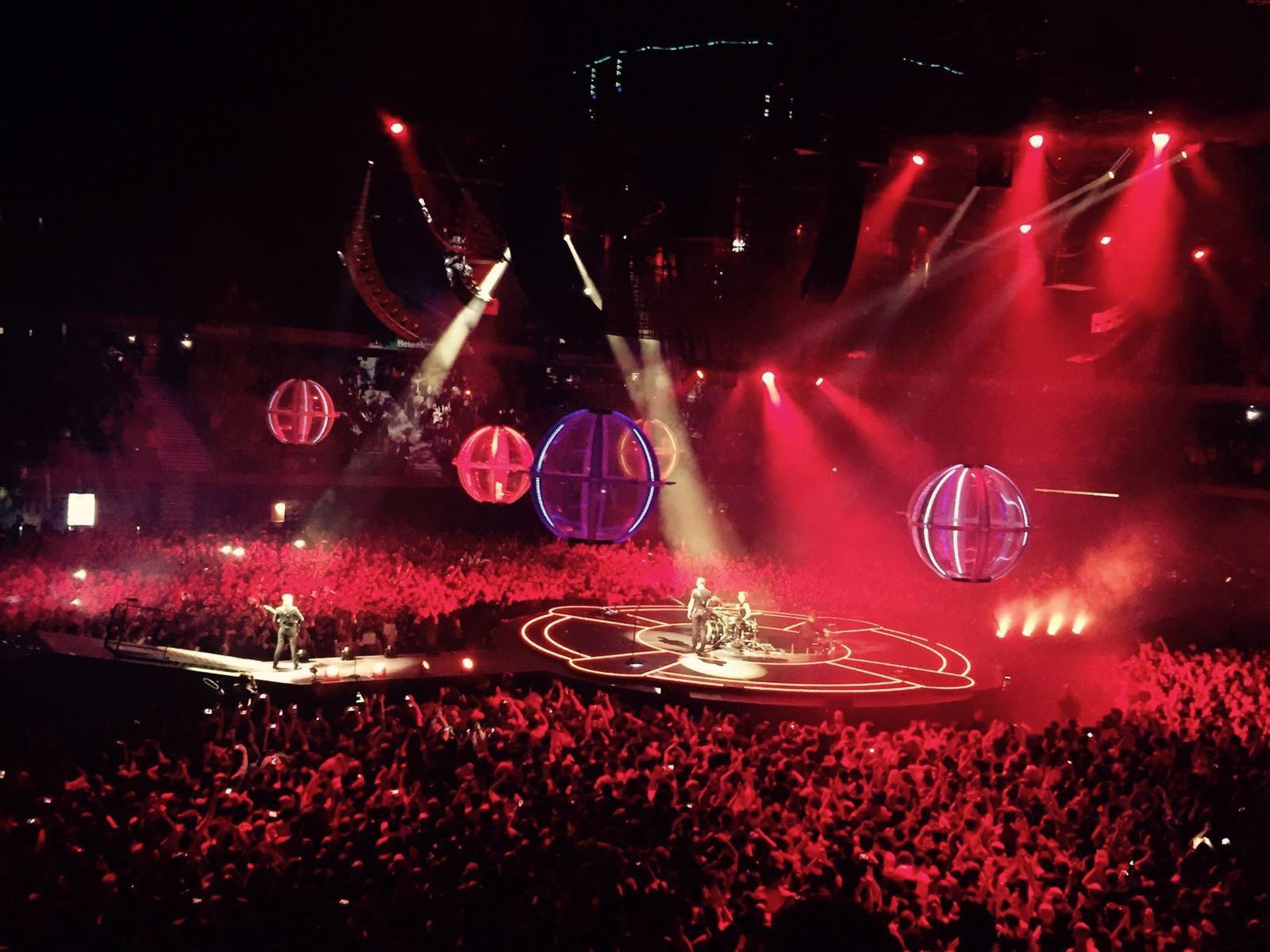
      Concerts ‘Underpriced’? Live Nation CEO Defends Higher Fares
      Concerts ‘Underpriced’? Live Nation CEO Defends Higher Fares
      Share
      Facebook Twitter LinkedIn Pinterest Email

      A major antitrust showdown that once threatened to dismantle one of the most powerful companies in live entertainment appears to be heading toward a far less dramatic outcome, as indications from federal officials suggest the U.S. Justice Department is unlikely to force a breakup of Live Nation and its ticketing subsidiary Ticketmaster. After years of complaints from fans, artists, and lawmakers about high ticket prices, industry consolidation, and the outsized influence of the Live Nation ecosystem across venues, promotion, and ticketing, the government originally pursued a sweeping antitrust lawsuit seeking structural remedies. However, recent developments point toward a negotiated settlement rather than a forced corporate split, signaling a more restrained regulatory approach to the controversial entertainment giant. The shift comes amid ongoing legal maneuvering and internal disagreements within federal enforcement circles over how aggressively to pursue antitrust cases against dominant companies. While the litigation has raised significant questions about competition and consumer costs in the concert industry, the apparent reluctance to break up the company suggests regulators may settle for behavioral restrictions or oversight rather than the dramatic remedy critics once demanded.

      Sources

      https://www.reuters.com/legal/government/live-nation-could-face-2026-trial-us-antitrust-case-judge-says-2024-06-27
      https://www.courthousenews.com/judge-advances-live-nation-ticketmaster-antitrust-case-to-trial-next-month
      https://www.semafor.com/article/02/08/2026/live-nation-settlement-talks-are-dividing-trumps-justice-department

      Key Takeaways

      • Federal antitrust officials appear increasingly inclined to settle their case against Live Nation and Ticketmaster rather than force a breakup of the companies.
      • The original lawsuit accused the company of dominating multiple parts of the live music ecosystem, including ticketing, concert promotion, and venue ownership.
      • Internal disagreements among policymakers and ongoing legal complexity have contributed to a shift toward negotiation instead of structural antitrust remedies.

      In-Depth

      For years, critics across the political spectrum have argued that the modern concert industry is dominated by a single corporate powerhouse. Live Nation, which merged with Ticketmaster in 2010, sits at the center of the ecosystem that controls concert promotion, venue relationships, and ticket distribution. When the federal government and dozens of states launched a sweeping antitrust lawsuit in 2024, many observers believed regulators were preparing to pursue the most aggressive option available: breaking the company apart.

      That possibility now appears increasingly remote.

      Recent developments suggest federal officials are leaning toward a negotiated resolution rather than dismantling the entertainment giant. Settlement discussions have reportedly been underway, and signals from inside the Justice Department indicate regulators may accept concessions from Live Nation instead of demanding a structural breakup. In antitrust terms, that would mean behavioral remedies — rules governing how the company operates — rather than forcing it to divest Ticketmaster.

      The underlying case has been one of the most consequential antitrust battles involving the entertainment industry in decades. Government attorneys argued that Live Nation’s integrated business model gives it overwhelming leverage over artists, venues, and ticket buyers. By combining concert promotion, venue management, and ticket sales, the company allegedly created a system where competitors struggle to gain market access. Critics say this structure leads to higher ticket prices, restrictive venue agreements, and limited competition for new ticketing platforms.

      The controversy reached a boiling point during several high-profile ticket sales in recent years, when massive demand for major tours exposed technical failures, long online wait times, and steep service fees. Those incidents triggered bipartisan political outrage and renewed calls to reexamine the Live Nation–Ticketmaster merger that reshaped the live music industry more than a decade ago.

      Despite those concerns, antitrust law sets a high bar for dismantling a company that has operated in its current form for many years. Prosecutors must prove not only that the company holds dominant market power but also that it used that power to suppress competition in ways that harm consumers. Legal battles over these issues can stretch for years and often hinge on complex economic arguments about how markets function.

      That legal reality appears to be shaping the government’s strategy. While the lawsuit itself has not disappeared, signs increasingly point toward a compromise that avoids the most drastic remedy. Reports surrounding the case suggest policymakers have debated whether breaking up the company would actually improve the market or simply create new layers of uncertainty in the live entertainment industry.

      Internal disagreements within federal enforcement circles have also complicated the situation. Some policymakers have advocated a more aggressive antitrust posture toward large corporations, while others favor a more traditional, business-friendly approach that prioritizes negotiated settlements and regulatory oversight instead of corporate breakups.

      If a settlement ultimately emerges, it could include restrictions on how Live Nation structures contracts with venues, rules limiting exclusivity arrangements, or new oversight mechanisms aimed at promoting competition. Such remedies would attempt to address concerns about market dominance while avoiding the disruptive consequences of dismantling the company entirely.

      For consumers frustrated by ticket prices and fees, however, the outcome may feel less dramatic than earlier expectations. A breakup of Live Nation and Ticketmaster would have been one of the most significant antitrust actions in modern entertainment history. A settlement, by contrast, represents a more cautious approach — one that reflects the complexities of antitrust law and the challenges of regulating massive, vertically integrated companies in today’s economy.

      The broader debate surrounding the case is unlikely to disappear. Even if regulators ultimately strike a deal, questions about competition, consumer fairness, and corporate consolidation in the live entertainment industry will continue to shape policy discussions for years to come.

      Share. Facebook Twitter Pinterest LinkedIn Tumblr Email
      Previous ArticleHonda Cancels Three Planned U.S. EVs Amid Tariffs, Weak Demand, And China Competition
      Next Article GM Bets on Affordable Chevy Bolt to Navigate Uncertain EV Market

      Related Posts

      Social Media-Fueled Migration Crisis Intensifies Pressure at Spain’s Ceuta Border

      August 16, 2026

      Nvidia’s $500 Billion AI Financing Push Signals New Phase in Infrastructure Race

      August 16, 2026

      White House Ends TikTok Ban on Government Devices

      August 15, 2026

      Jury Selection Begins in Landmark Youth Addiction Case Against Meta

      August 15, 2026
      Add A Comment
      Leave A Reply Cancel Reply

      Editors Picks

      Social Media-Fueled Migration Crisis Intensifies Pressure at Spain’s Ceuta Border

      August 16, 2026

      French Publishers Seek Regulatory Action Over Google AI Search Summaries

      August 15, 2026

      Robocall Surge Continues as High-Impact Area Codes Face Persistent Spam Threat

      August 15, 2026

      AI Hyperscalers Drive Strategic Shift as Bitcoin Miners Capitalize on Power Infrastructure

      August 15, 2026
      Popular Topics
      Samsung trending Viral Stocks Satya Nadella spotlight Series A Taiwan Tech Satellite Startup Tesla Tim Cook Sundar Pichai UAE Tech SpaceX Tesla Cybertruck starlink Space Series B Software
      Major Tech Companies
      • Apple News
      • Google News
      • Meta News
      • Microsoft News
      • Amazon News
      • Samsung News
      • Nvidia News
      • OpenAI News
      • Tesla News
      • AMD News
      • Anthropic News
      • Elbit News
      AI & Emerging Tech
      • AI Regulation News
      • AI Safety News
      • AI Adoption
      • Quantum Computing News
      • Robotics News
      Key People
      • Sam Altman News
      • Jensen Huang News
      • Elon Musk News
      • Mark Zuckerberg News
      • Sundar Pichai News
      • Tim Cook News
      • Satya Nadella News
      • Mustafa Suleyman News
      Global Tech & Policy
      • Israel Tech News
      • India Tech News
      • Taiwan Tech News
      • UAE Tech News
      Startups & Emerging Tech
      • Series A News
      • Series B News
      • Startup News
      Tallwire
      Facebook X (Twitter) LinkedIn Threads Instagram RSS
      • Tech
      • Entertainment
      • Business
      • Government
      • Academia
      • Transportation
      • Legal
      • Press Kit
      © 2026 Tallwire. Optimized by ARMOUR Digital Marketing Agency.

      Type above and press Enter to search. Press Esc to cancel.