

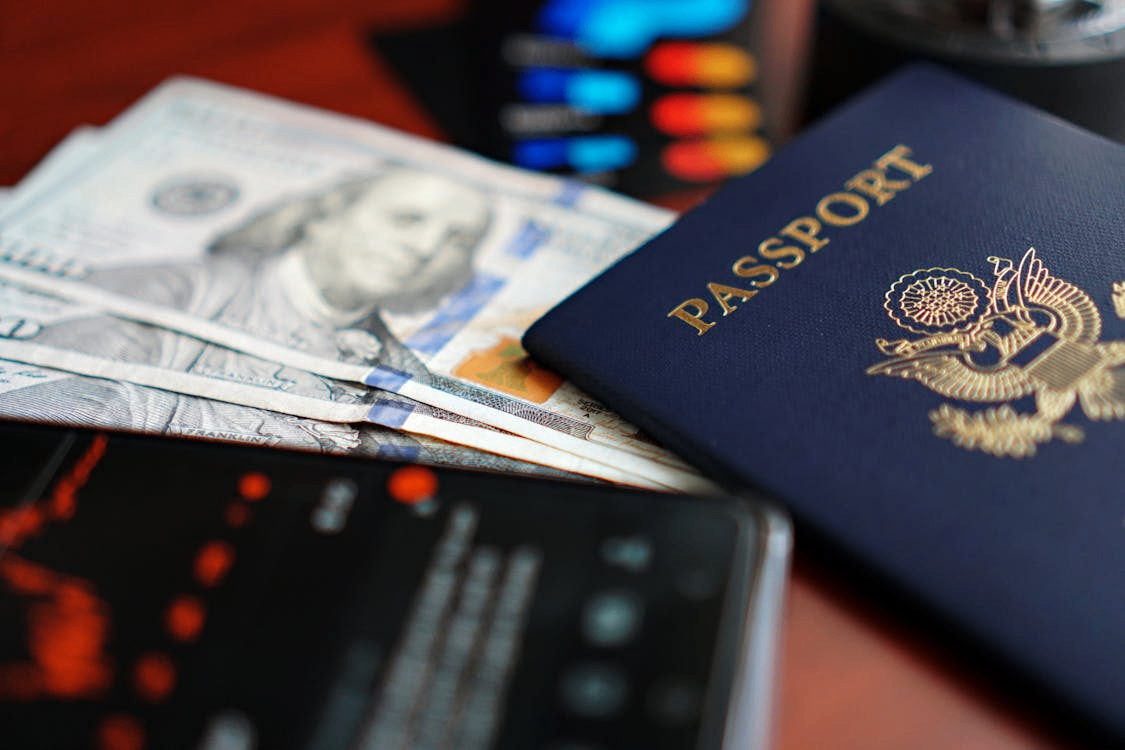
Australia is negotiating with the United States over expanded access to travelers’ biometric and identity information as Washington presses countries participating in its Visa Waiver Program to strengthen border security cooperation. The proposed Enhanced Border Security Partnership could involve verifying fingerprints, facial recognition records and other identifying information to help American authorities screen foreign visitors and identify potential security threats. Australian officials have acknowledged discussions with their American counterparts but have not committed to transferring biometric databases. Canberra is exploring an alternative arrangement that would allow U.S. authorities to verify information against Australian records without necessarily receiving the underlying biometric data. The negotiations come ahead of a Dec. 31, 2026, deadline for participating countries to demonstrate progress toward enhanced security arrangements, raising questions about privacy protections, national sovereignty and Australia’s continued access to streamlined travel into the United States.
Key Takeaways
– Visa-free travel at stake: Australia faces pressure to negotiate expanded security cooperation with Washington to preserve its participation in the U.S. Visa Waiver Program.
– Biometric access under consideration: Proposed arrangements could allow American authorities to verify travelers’ fingerprints, facial images and identity records against Australian government databases.
– Privacy and sovereignty concerns: Australian officials are pursuing safeguards that could preserve domestic control of sensitive information while meeting American border security requirements.
In-Depth
Australia is confronting a consequential decision over national security cooperation with the United States as American authorities seek expanded access to biometric information from countries participating in the Visa Waiver Program. The negotiations reflect Washington’s effort to strengthen immigration screening while preserving streamlined travel arrangements for trusted international partners.
The proposed Enhanced Border Security Partnership would allow American authorities to conduct additional identity checks against information maintained by participating governments. Such measures are intended to detect fraudulent identities, identify individuals presenting security risks and prevent potentially dangerous travelers from exploiting weaknesses in international screening systems.
Australian officials confirmed discussions with American representatives in August and October, including negotiations over how identity verification could operate without surrendering direct control of sensitive databases. Canberra has proposed a system allowing American authorities to submit identifying information for verification against Australian records rather than automatically receiving the underlying biometric material.
The distinction carries considerable implications for individual privacy and national sovereignty. Fingerprints and facial recognition information are permanent personal identifiers, making unauthorized disclosure particularly consequential. Questions remain about which American agencies could access information, how long records might be retained and what safeguards would prevent uses beyond border security.
Washington introduced its enhanced partnership requirement in 2022, establishing expectations for countries benefiting from visa-free travel privileges. Australia now faces a December deadline to demonstrate progress toward compliance, although officials have not announced a completed agreement.
The dispute illustrates a broader challenge facing allied governments: maintaining secure international travel while protecting citizens’ personal information. Effective border enforcement remains a legitimate national security responsibility, but any agreement involving sensitive biometric records will require clear limits, meaningful oversight and enforceable privacy protections.
Sources
• https://www.crikey.com.au/2026/10/28/palantir-australian-biometric-data-secret-us-visa-waiver-deal/
• https://www.dhs.gov/sites/default/files/2024-04/24_0426_priv_pia-cbp-007i-esta-update.pdf
• https://www.aph.gov.au/api/qon/downloadattachment?attachmentId=0445e8f2-94d5-40fb-a9d5-523f1666d03a