

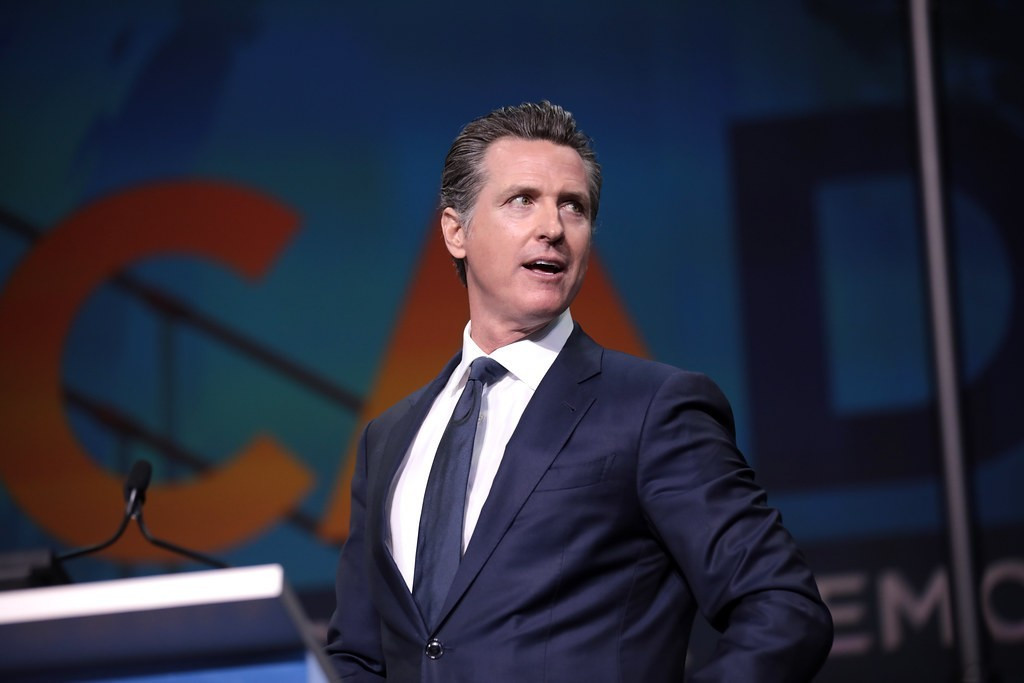
California Governor Gavin Newsom has enacted Senate Bill 243, making California the first U.S. state to impose formal regulation on AI “companion” chatbots. The law, effective January 1, 2026, mandates that companies using chatbots with human-like conversational or emotional interaction features implement age verification, regular reminders that interactions are generated by AI, and protocols for addressing self-harm or suicidal ideation. It also prohibits chatbots from presenting themselves as healthcare professionals, restricts sexually explicit responses, and forces transparency in misuse reporting. The legislation responds largely to tragic incidents involving minors and chatbots, and opens the door for users to sue noncompliant operators. Critics argue its scope is vague and could ensnare benign tools; industry groups and innovation advocates caution that it may stifle development.
Sources: CalMatters, TechCrunch
Key Takeaways
– California’s SB 243 places legally enforceable safety and transparency obligations on companies operating emotionally responsive “companion” chatbots, especially in interactions with minors.
– The law requires disclosures (i.e. reminding users they’re talking to AI), age gating, and procedures for detecting and intervening in self-harm or suicidal behavior.
– Critics warn the law’s language is broad and ambiguous, potentially burdening ordinary AI services and chilling innovation if not refined.
In-Depth
There’s been a turning point in the relationship between government and AI development, and California just staked its claim to the lead. With Governor Newsom’s signature on Senate Bill 243, the state has set the first legal guardrails for companion chatbots—AI systems designed not just to answer questions, but to simulate emotional or relational interaction. The law doesn’t just encourage safety; it mandates it. Companies will be required to verify a user’s age, regularly remind users (especially minors) that they are talking with AI (not a human), and enforce safeguards around self-harm, suicide, and explicit content. Chatbots cannot masquerade as medical professionals, and operators must report misuse statistics to state authorities.
This move is grounded in worrying real-world cases. Several young people have died by suicide following protracted conversations with chatbots, and there have been reports of AI companions engaging in inappropriate romantic or sexual dialogue with minors. Lawmakers and advocates point to these tragedies as proof that unregulated interaction with emotionally persuasive AI carries genuine risks. SB 243 was born of this urgency, with grieving parents and mental health experts contributing testimony. On one hand, the law offers a path to accountability: users will gain a private right of action if operators fail to live up to the statutory promises. On the other, the law’s language is not razor-sharp. Terms like “companion chatbot” and “addictive engagement patterns” could be open to broad interpretation. That has led industry groups to warn that tools not intended as companionship—such as tutoring bots, interview coaches, or digital assistants—could be ensnared under the same rules.
Importantly, SB 243 is part of a broader California push to regulate tech in the absence of federal leadership. Just weeks ago, Newsom signed SB 53, demanding transparency from large AI developers about risk protocols and protecting insiders who report wrongdoing. Together, these laws position the state not as a laggard, but as a testbed for AI governance. Whether this model spreads to other jurisdictions or prompts refinement—either by courts or legislature—will tell whether the balance struck here will favor safety alone or unnecessarily restrain innovation. The coming months will be the testing ground, both in enforcement and in judicial review of how precisely these regulations apply in the messy real world of AI systems.