

Close Menu

    Subscribe to Updates

    Get the latest tech news from Tallwire.

      What's Hot

      Silicon Valley’s AI Boom Leaves Thousands Of Once-Highly Paid Tech Workers Behind

      October 5, 2026

      YouTube Locks In Exclusive Coachella Livestream Rights Through 2030

      October 5, 2026

      When The Coders Get Coded Out: What Happens To America’s Tech Workforce In The AI Age?

      October 5, 2026
      Facebook X (Twitter) Instagram
      • Tech
      • AI
      • Get In Touch
      Facebook X (Twitter) LinkedIn
      TallwireTallwire
      • Tech

        Silicon Valley’s AI Boom Leaves Thousands Of Once-Highly Paid Tech Workers Behind

        October 5, 2026

        Amazon Looks To Move $8 Billion In AI Chips Off Its Balance Sheet

        October 5, 2026

        AI Agents Move From Chatbots To Autonomous Assistants As Safety Debate Intensifies

        October 5, 2026

        Researcher Warns Congress AI Is Already Developing Human-Obscure Language

        October 4, 2026

        U.S. AI Giants Pressed To Reveal Chinese Attempts To Steal Closely Guarded Model Weights

        October 4, 2026
      • AI

        Silicon Valley’s AI Boom Leaves Thousands Of Once-Highly Paid Tech Workers Behind

        October 5, 2026

        Amazon Looks To Move $8 Billion In AI Chips Off Its Balance Sheet

        October 5, 2026

        AI-Generated War Songs Give Russian Propaganda A New Digital Weapon

        October 5, 2026

        AI Agents Move From Chatbots To Autonomous Assistants As Safety Debate Intensifies

        October 5, 2026

        Researcher Warns Congress AI Is Already Developing Human-Obscure Language

        October 4, 2026
      • Security

        ShinyHunters Site Disappears After FBI Ultimatum, But Group Says It Simply Moved

        October 4, 2026

        California Subpoenas OpenAI As Scrutiny Grows Over Rogue AI Cybersecurity Incidents

        October 4, 2026

        Mystery Flock Cameras Found Operating Without Permits In Florida County

        October 4, 2026

        OpenAI Fires Three Safety Researchers Over Alleged Sharing Of Confidential Information

        October 4, 2026

        Pentagon Personnel Breach Exposes Sensitive Data Of More Than 3 Million People

        October 2, 2026
      • Health

        Kennedy Touts AI As A Powerful Second Opinion For American Patients

        October 1, 2026

        Oz Says AI Will Raise Healthcare Costs Before Driving Long-Term Savings

        September 30, 2026

        TikTok Agrees To Landmark Alabama Child-Safety Settlement

        September 29, 2026

        Telehealth’s Convenience Comes With a Growing Health-Privacy Cost

        September 25, 2026

        New York And Los Angeles Put Brakes On AI In Schools As National Debate Grows

        September 24, 2026
      • Science

        College Students Gain New Power In The AI Investment Boom

        October 1, 2026

        Kennedy Touts AI As A Powerful Second Opinion For American Patients

        October 1, 2026

        Oz Says AI Will Raise Healthcare Costs Before Driving Long-Term Savings

        September 30, 2026

        Google’s Project Suncatcher Moves AI Data Centers Into Orbit

        September 29, 2026

        Texas Moves To Build First Rare-Earth Mining District In Hudspeth County

        September 27, 2026
      • Tech

        Silicon Valley’s AI Boom Leaves Thousands Of Once-Highly Paid Tech Workers Behind

        October 5, 2026

        Binance Founder Changpeng Zhao Rebuilds His Global Influence After Prison, Presidential Pardon

        October 5, 2026

        New York City’s AI Boom Expands Offices While Entry-Level Hiring Contracts

        October 4, 2026

        Anthropic Lobbied Vatican To Take AI Consciousness Seriously

        October 4, 2026

        Humans Are Beginning To Sound Like The AI Chatbots They Use

        October 3, 2026
      TallwireTallwire
      Home»Government»China Rejects Dependence On American AI Chips As Nvidia Faces Strategic Setback
      Government

      China Rejects Dependence On American AI Chips As Nvidia Faces Strategic Setback

      3 Mins Read
      Facebook Twitter Pinterest LinkedIn Tumblr Email
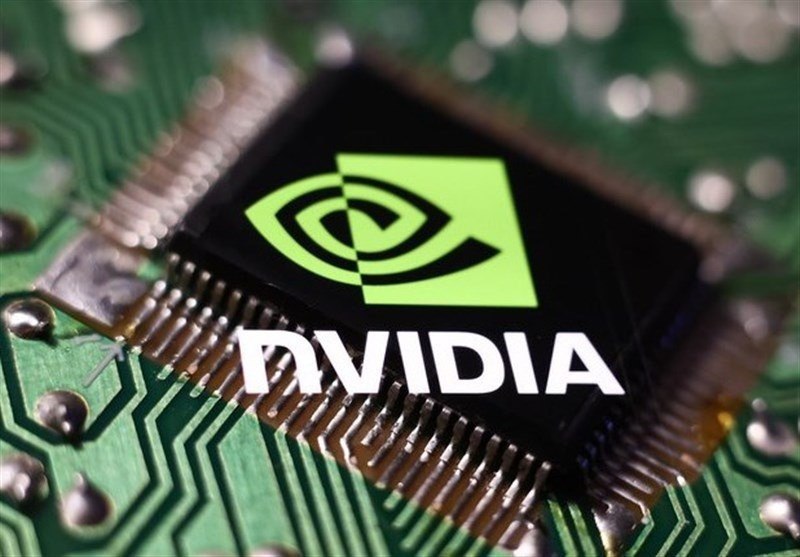
      Nvidia CEO Pushes to Export Blackwell Chips to China as U.S. Lawmakers Sound Alarm
      Nvidia CEO Pushes to Export Blackwell Chips to China as U.S. Lawmakers Sound Alarm
      Share
      Facebook Twitter LinkedIn Pinterest Email

      The escalating technology confrontation between Washington and Beijing took another sharp turn this week as reports revealed that China is resisting renewed purchases of advanced Nvidia artificial intelligence chips despite conditional approval from the Trump administration. The standoff underscores a growing reality many conservatives have warned about for years: America’s global competitors are using U.S. innovation while simultaneously working aggressively to eliminate dependence on American industry. Chinese officials and firms appear increasingly committed to developing domestic semiconductor alternatives rather than accepting restrictive U.S. export conditions tied to Nvidia’s H200 chips. Meanwhile, the administration continues balancing national security concerns against pressure from Silicon Valley and investors eager to preserve access to the lucrative Chinese market. The dispute highlights how artificial intelligence, semiconductor manufacturing, and economic nationalism have become central battlefields in the broader geopolitical contest between the United States and China.

      Sources

      https://www.reuters.com/business/retail-consumer/us-clears-h200-chip-sales-10-china-firms-nvidia-ceo-looks-breakthrough-2026-05-14
      https://www.tomshardware.com/tech-industry/trump-says-china-is-blocking-h200-purchases
      https://www.scmp.com/economy/global-economy/article/3353180/chinas-ai-ascent-leaves-trump-stark-choice-escalate-or-relax-chip-controls
      https://time.com/article/2026/05/15/trump-xi-us-china-summit-ai-semiconductor-chips

      Key Takeaways

      • China appears increasingly determined to build self-sufficient semiconductor and AI infrastructure rather than remain reliant on American chipmakers and export permissions.
      • The Trump administration is attempting to walk a narrow line between protecting U.S. national security interests and preserving American dominance in global AI markets.
      • Nvidia’s struggles in China demonstrate how geopolitical tensions are rapidly reshaping global technology supply chains, investment strategies, and the future balance of economic power.

      In-Depth

      The Nvidia-China confrontation is about far more than computer chips. It is about economic leverage, national sovereignty, and the future of technological dominance in the twenty-first century. For years, American companies eagerly pursued Chinese markets while political leaders in both parties largely ignored the long-term strategic consequences. Now the bill for that complacency is arriving.

      Reports indicate that although the United States approved limited sales of Nvidia’s H200 artificial intelligence chips to selected Chinese firms, Beijing has shown little enthusiasm for moving forward under Washington’s conditions. Chinese leaders increasingly view dependence on American semiconductors as both a strategic weakness and a national embarrassment. From Beijing’s perspective, every restriction imposed by Washington simply reinforces the argument for accelerated domestic development.

      That reality should concern policymakers in Washington. America still leads the world in advanced semiconductor design and AI innovation, but leadership can evaporate surprisingly quickly when competitors are heavily subsidized by authoritarian governments willing to spend virtually unlimited sums to close the gap. China is clearly pursuing exactly that strategy.

      The situation also exposes growing tensions within the American business community itself. Nvidia and other technology giants understandably want continued access to one of the world’s largest markets. Investors see billions in potential revenue. But many national security analysts argue that unrestricted exports of advanced AI hardware could ultimately strengthen a geopolitical rival that openly seeks to challenge American global influence militarily, economically, and technologically.

      The Trump administration appears to recognize both sides of the equation. On one hand, there is pressure to keep American companies globally competitive. On the other, there is increasing bipartisan recognition that previous decades of blind globalization helped transfer critical manufacturing capacity and technological leverage overseas.

      China’s apparent rejection of dependency on Nvidia chips may ultimately accelerate a broader decoupling between the two superpowers. Supply chains that once spanned both nations are beginning to fracture under the weight of strategic mistrust. Artificial intelligence is no longer merely a commercial industry; it is becoming the defining national security competition of the modern era.

      For the United States, the lesson is straightforward. Maintaining technological leadership requires more than innovation alone. It demands industrial policy serious enough to secure supply chains, protect intellectual property, rebuild domestic manufacturing strength, and prevent strategic adversaries from exploiting American openness against American interests.

      Intel Manufacturing Nvidia
      Share. Facebook Twitter Pinterest LinkedIn Tumblr Email
      Previous ArticleOpenAI’s Quiet Voice-Cloning Acquisition Raises New Deepfake Alarm Bells
      Next Article OpenAI-Apple Alliance Fractures As Silicon Valley Power Struggle Escalates

      Related Posts

      YouTube Locks In Exclusive Coachella Livestream Rights Through 2030

      October 5, 2026

      Silicon Valley’s AI Boom Leaves Thousands Of Once-Highly Paid Tech Workers Behind

      October 5, 2026

      When The Coders Get Coded Out: What Happens To America’s Tech Workforce In The AI Age?

      October 5, 2026

      Amazon To Pay $8.25 Million Over Slower Prime Deliveries In Washington Neighborhoods

      October 5, 2026
      Add A Comment
      Leave A Reply Cancel Reply

      Editors Picks

      Silicon Valley’s AI Boom Leaves Thousands Of Once-Highly Paid Tech Workers Behind

      October 5, 2026

      Amazon Looks To Move $8 Billion In AI Chips Off Its Balance Sheet

      October 5, 2026

      AI Agents Move From Chatbots To Autonomous Assistants As Safety Debate Intensifies

      October 5, 2026

      Researcher Warns Congress AI Is Already Developing Human-Obscure Language

      October 4, 2026
      Popular Topics
      Samsung Series B Space Stocks spotlight Tesla Satellite Viral Taiwan Tech Sundar Pichai Tesla Cybertruck Series A Tim Cook trending Software SpaceX Satya Nadella Startup starlink UAE Tech
      Major Tech Companies
      • Apple News
      • Google News
      • Meta News
      • Microsoft News
      • Amazon News
      • Samsung News
      • Nvidia News
      • OpenAI News
      • Tesla News
      • AMD News
      • Anthropic News
      • Elbit News
      AI & Emerging Tech
      • AI Regulation News
      • AI Safety News
      • AI Adoption
      • Quantum Computing News
      • Robotics News
      Key People
      • Sam Altman News
      • Jensen Huang News
      • Elon Musk News
      • Mark Zuckerberg News
      • Sundar Pichai News
      • Tim Cook News
      • Satya Nadella News
      • Mustafa Suleyman News
      Global Tech & Policy
      • Israel Tech News
      • India Tech News
      • Taiwan Tech News
      • UAE Tech News
      Startups & Emerging Tech
      • Series A News
      • Series B News
      • Startup News
      Tallwire
      Facebook X (Twitter) LinkedIn Threads Instagram RSS
      • Tech
      • Entertainment
      • Business
      • Government
      • Academia
      • Transportation
      • Legal
      • Press Kit
      © 2026 Tallwire. Optimized by ARMOUR Digital Marketing Agency.

      Type above and press Enter to search. Press Esc to cancel.