

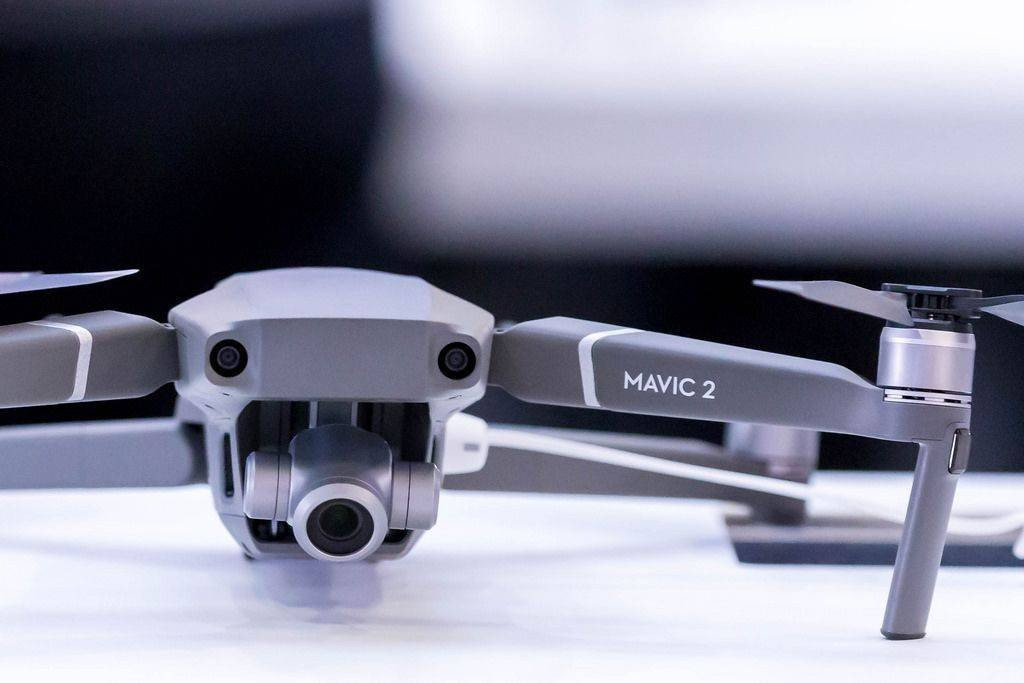
A U.S. federal judge has ruled that the Department of Defense may maintain its classification of DJI—a major drone company—as a “Chinese military company,” rejecting DJI’s lawsuit seeking removal from the list. The judge found “substantial evidence” that DJI contributes to China’s defense industrial base, citing its government affiliations, dual-use technology, and financial support from Chinese state-linked entities. While the court dismissed some of the government’s arguments, it upheld the listing based on a single rational justification, compelling DJI to explore appeal options and adding urgency to compliance deadlines under escalating U.S. regulatory pressure.
Sources: Reuters, TechCrunch
Key Takeaways
– The court affirmed that even if DJI is not overtly owned or controlled by the Chinese military, its role in “military-civil fusion” and ties to government support suffices to justify classification under U.S. law.
– DJI lost part of its claim—some rationales from the DoD were rejected—but the ruling stands based on a narrower foundation, giving the government deference in national security listings.
– The decision intensifies pressure on DJI, which now faces regulatory deadlines, possible bans on new product approvals in the U.S., and constraints on accessing federal contracts or funding.
In-Depth
This ruling marks a significant turning point in the unfolding legal and regulatory drama surrounding DJI, the world’s largest consumer and commercial drone manufacturer. For years, U.S. officials have eyed DJI warily, citing concerns that its technology could be used for surveillance or military operations—even when sold for civilian use. DJI fought back, asserting that it produces consumer drones, not weapons, and that it is neither owned nor controlled by the Chinese military or Communist Party. Its lawsuit sought to remove it from the Pentagon’s list of Chinese military-linked companies, claiming reputational and financial harm from the designation.
But U.S. District Judge Paul Friedman found otherwise. He concluded that “substantial evidence” supports DJI’s inclusion, particularly because of what is called military-civil fusion: the blending of civilian and military technology development in China. He pointed to government incentives, state-backed programs, and DJI’s status within Chinese administration structures as signals of contribution to the Chinese defense industrial base. Even though he rejected certain arguments by the DoD—such as overreaching assertions of party control—he held that deference to the Pentagon is warranted in national security decisions, especially under Section 1260H, which gives the Defense Department leeway to designate firms.
What does this mean in practice? For DJI, it imposes tangible constraints. It may become harder or impossible for the company to win U.S. federal contracts, receive grants, or access funding tied to government agencies. DJI also faces a looming December legal and regulatory deadline: unless federal security agencies complete a review of its drone products, it risks being added to a more restrictive list that could block new product approvals in the U.S. The classification does not immediately ban all DJI operations in America, but it adds regulatory friction, reputational risk, and uncertain future access to markets.
For U.S. policy and the broader tech competition with China, the ruling underscores the government’s expanding authority to label foreign firms under national security frameworks. It sends a message that companies with Chinese roots—even if mostly commercial in output—are vulnerable if their technology straddles civilian and military domains. The precedent may shape future cases and investment decisions, as well as how firms structure ownership, operations, and transparency to navigate U.S. risk.
In the coming months, eyes will be on whether DJI appeals, how regulatory bodies respond to the classification, and whether DJI can persuade U.S. agencies that its technology doesn’t pose unacceptable risks. The balance between national security and innovation access remains a tricky line to walk—and DJI’s fate may help define where that line falls going forward.