

Close Menu

    Subscribe to Updates

    Get the latest creative news from FooBar about art, design and business.

    What's Hot

    Amazon Stock Hits Worst Losing Streak Since 2006 Amid Investor AI Spending Fears

    February 17, 2026

    Why Your Personal Data Keeps Showing Up on the Dark Web as It Grows

    February 17, 2026

    U.S. Automakers Recalibrate EV Strategy as Federal Subsidies End and Demand Wanes

    February 17, 2026
    Facebook X (Twitter) Instagram
    • Tech
    • AI News
    • Get In Touch
    Facebook X (Twitter) LinkedIn
    TallwireTallwire
    • Tech

      U.S. Automakers Recalibrate EV Strategy as Federal Subsidies End and Demand Wanes

      February 17, 2026

      Roku Plans Streaming Bundles Push to Boost Profitability in 2026

      February 17, 2026

      Meta Plans Facial Recognition for Smart Glasses Amid Privacy Pushback

      February 17, 2026

      Spotify Developers Haven’t Written Code Since December Thanks to AI Transformation

      February 16, 2026

      Waymo Goes Fully Autonomous in Nashville, Tennessee

      February 16, 2026
    • AI News

      Amazon Stock Hits Worst Losing Streak Since 2006 Amid Investor AI Spending Fears

      February 17, 2026

      Why Your Personal Data Keeps Showing Up on the Dark Web as It Grows

      February 17, 2026

      Behind the AI Industry’s Burnout and Turnover Crisis

      February 17, 2026

      Meta Plans Facial Recognition for Smart Glasses Amid Privacy Pushback

      February 17, 2026

      Airbnb Shifts One-Third Of Customer Support To AI In North America

      February 17, 2026
    • Security

      Why Your Personal Data Keeps Showing Up on the Dark Web as It Grows

      February 17, 2026

      Fintech Lending Giant Figure Confirms Significant Data Breach Exposing Customer Records

      February 17, 2026

      US Lawmakers Urge Tighter Export Controls to Curb China’s Access to Chipmaking Equipment

      February 16, 2026

      Senator Raises Questions On eSafety Crackdown And Potential Strain On US-Australia Relationship

      February 16, 2026

      AI Safety Researcher Resigns, Warns ‘World Is in Peril’ Amid Broader Industry Concerns

      February 15, 2026
    • Health

      UK Kids Turning to AI Chatbots and Acting on Advice at Alarming Rates

      February 16, 2026

      Landmark California Trial Sees YouTube Defend Itself, Rejects ‘Social Media’ and Addiction Claims

      February 16, 2026

      Instagram Top Executive Says ‘Addiction’ Doesn’t Exist in Landmark Social Media Trial

      February 15, 2026

      Amazon Pharmacy Rolls Out Same-Day Prescription Delivery To 4,500 U.S. Cities

      February 14, 2026

      AI Advances Aim to Bridge Labor Gaps in Rare Disease Treatment

      February 12, 2026
    • Science

      XAI Publicly Unveils Elon Musk’s Interplanetary AI Vision In Rare All-Hands Release

      February 14, 2026

      Elon Musk Shifts SpaceX Priority From Mars Colonization to Building a Moon City

      February 14, 2026

      NASA Artemis II Spacesuit Mobility Concerns Ahead Of Historic Mission

      February 13, 2026

      AI Agents Build Their Own MMO Playground After Moltbook Ignites Agent-Only Web Communities

      February 12, 2026

      AI Advances Aim to Bridge Labor Gaps in Rare Disease Treatment

      February 12, 2026
    • People

      Google Co-Founder’s Epstein Contacts Reignite Scrutiny of Elite Tech Circles

      February 7, 2026

      Bill Gates Denies “Absolutely Absurd” Claims in Newly Released Epstein Files

      February 6, 2026

      Informant Claims Epstein Employed Personal Hacker With Zero-Day Skills

      February 5, 2026

      Starlink Becomes Critical Internet Lifeline Amid Iran Protest Crackdown

      January 25, 2026

      Musk Pledges to Open-Source X’s Recommendation Algorithm, Promising Transparency

      January 21, 2026
    TallwireTallwire
    Home»Tech»Court Upholds Pentagon Authority to Brand DJI a Chinese Military-Linked Firm
    Tech

    Court Upholds Pentagon Authority to Brand DJI a Chinese Military-Linked Firm

    Updated:December 25, 20254 Mins Read
    Facebook Twitter Pinterest LinkedIn Tumblr Email
    Court Upholds Pentagon Authority to Brand DJI a Chinese Military-Linked Firm
    Court Upholds Pentagon Authority to Brand DJI a Chinese Military-Linked Firm
    Share
    Facebook Twitter LinkedIn Pinterest Email

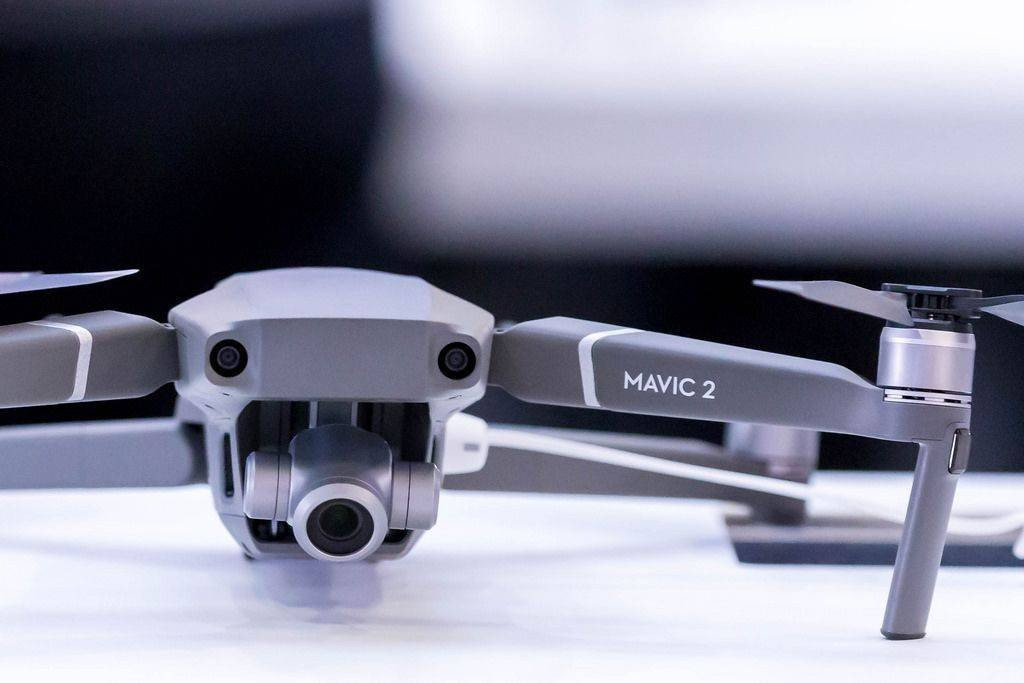
    A U.S. federal judge has ruled that the Department of Defense may maintain its classification of DJI—a major drone company—as a “Chinese military company,” rejecting DJI’s lawsuit seeking removal from the list. The judge found “substantial evidence” that DJI contributes to China’s defense industrial base, citing its government affiliations, dual-use technology, and financial support from Chinese state-linked entities. While the court dismissed some of the government’s arguments, it upheld the listing based on a single rational justification, compelling DJI to explore appeal options and adding urgency to compliance deadlines under escalating U.S. regulatory pressure.

    Sources: Reuters, TechCrunch

    Key Takeaways

    – The court affirmed that even if DJI is not overtly owned or controlled by the Chinese military, its role in “military-civil fusion” and ties to government support suffices to justify classification under U.S. law.

    – DJI lost part of its claim—some rationales from the DoD were rejected—but the ruling stands based on a narrower foundation, giving the government deference in national security listings.

    – The decision intensifies pressure on DJI, which now faces regulatory deadlines, possible bans on new product approvals in the U.S., and constraints on accessing federal contracts or funding.

    In-Depth

    This ruling marks a significant turning point in the unfolding legal and regulatory drama surrounding DJI, the world’s largest consumer and commercial drone manufacturer. For years, U.S. officials have eyed DJI warily, citing concerns that its technology could be used for surveillance or military operations—even when sold for civilian use. DJI fought back, asserting that it produces consumer drones, not weapons, and that it is neither owned nor controlled by the Chinese military or Communist Party. Its lawsuit sought to remove it from the Pentagon’s list of Chinese military-linked companies, claiming reputational and financial harm from the designation.

    But U.S. District Judge Paul Friedman found otherwise. He concluded that “substantial evidence” supports DJI’s inclusion, particularly because of what is called military-civil fusion: the blending of civilian and military technology development in China. He pointed to government incentives, state-backed programs, and DJI’s status within Chinese administration structures as signals of contribution to the Chinese defense industrial base. Even though he rejected certain arguments by the DoD—such as overreaching assertions of party control—he held that deference to the Pentagon is warranted in national security decisions, especially under Section 1260H, which gives the Defense Department leeway to designate firms.

    What does this mean in practice? For DJI, it imposes tangible constraints. It may become harder or impossible for the company to win U.S. federal contracts, receive grants, or access funding tied to government agencies. DJI also faces a looming December legal and regulatory deadline: unless federal security agencies complete a review of its drone products, it risks being added to a more restrictive list that could block new product approvals in the U.S. The classification does not immediately ban all DJI operations in America, but it adds regulatory friction, reputational risk, and uncertain future access to markets.

    For U.S. policy and the broader tech competition with China, the ruling underscores the government’s expanding authority to label foreign firms under national security frameworks. It sends a message that companies with Chinese roots—even if mostly commercial in output—are vulnerable if their technology straddles civilian and military domains. The precedent may shape future cases and investment decisions, as well as how firms structure ownership, operations, and transparency to navigate U.S. risk.

    In the coming months, eyes will be on whether DJI appeals, how regulatory bodies respond to the classification, and whether DJI can persuade U.S. agencies that its technology doesn’t pose unacceptable risks. The balance between national security and innovation access remains a tricky line to walk—and DJI’s fate may help define where that line falls going forward.

    Share. Facebook Twitter Pinterest LinkedIn Tumblr Email
    Previous ArticleCourt Holds Firm: Google-Apple Search Deal Stays—AI to Deepen Their Grip
    Next Article Crimson Collective Claims Nintendo Breach Amid Broader Red Hat Hack Fallout

    Related Posts

    U.S. Automakers Recalibrate EV Strategy as Federal Subsidies End and Demand Wanes

    February 17, 2026

    Roku Plans Streaming Bundles Push to Boost Profitability in 2026

    February 17, 2026

    Meta Plans Facial Recognition for Smart Glasses Amid Privacy Pushback

    February 17, 2026

    Spotify Developers Haven’t Written Code Since December Thanks to AI Transformation

    February 16, 2026
    Add A Comment
    Leave A Reply Cancel Reply

    Editors Picks

    U.S. Automakers Recalibrate EV Strategy as Federal Subsidies End and Demand Wanes

    February 17, 2026

    Roku Plans Streaming Bundles Push to Boost Profitability in 2026

    February 17, 2026

    Meta Plans Facial Recognition for Smart Glasses Amid Privacy Pushback

    February 17, 2026

    Spotify Developers Haven’t Written Code Since December Thanks to AI Transformation

    February 16, 2026
    Top Reviews
    Tallwire
    Facebook X (Twitter) LinkedIn Threads Instagram RSS
    • Tech
    • Entertainment
    • Business
    • Government
    • Academia
    • Transportation
    • Legal
    • Press Kit
    © 2026 Tallwire. Optimized by ARMOUR Digital Marketing Agency.

    Type above and press Enter to search. Press Esc to cancel.