

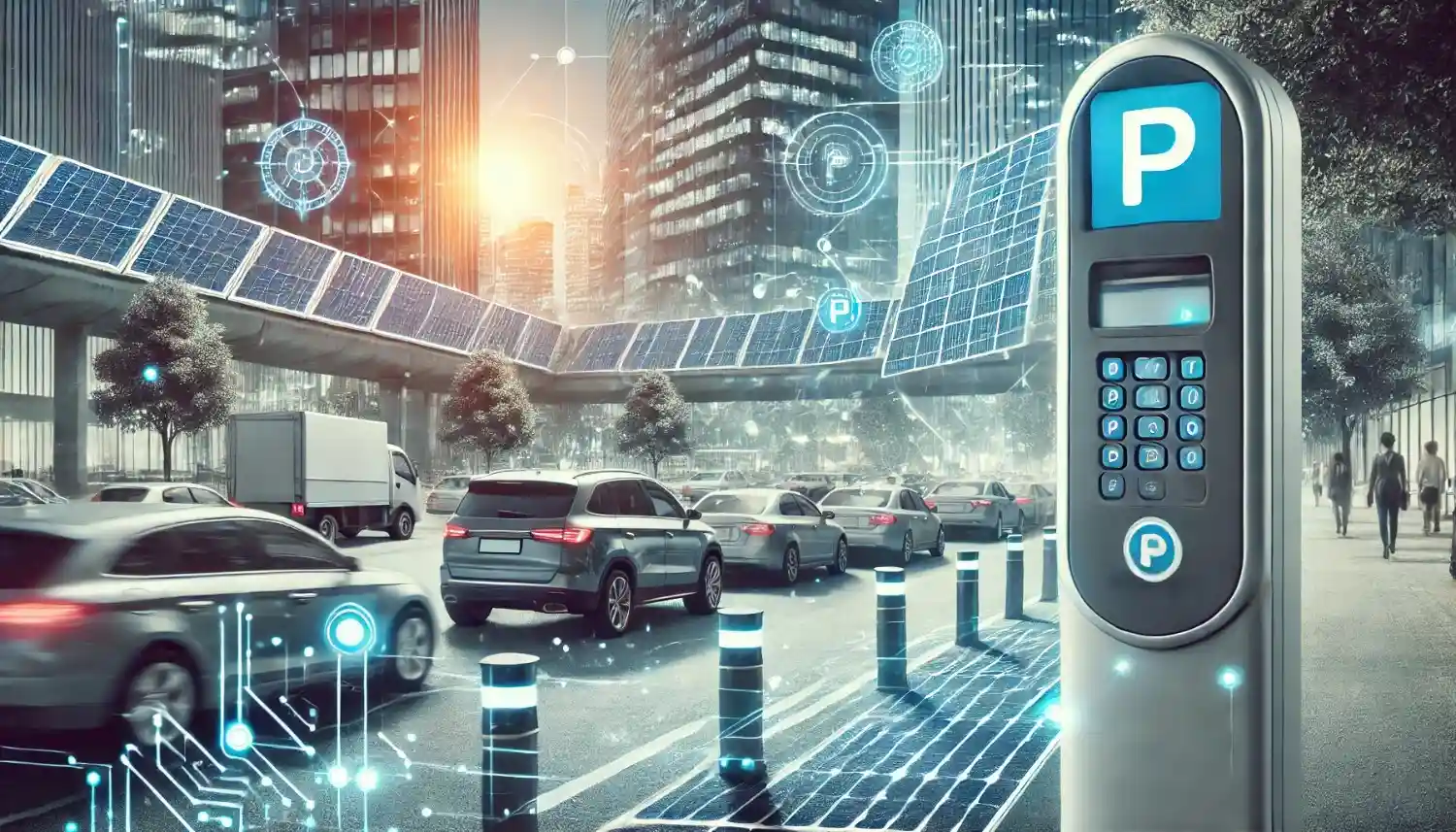
San Francisco officials are rolling out a new generation of app-based parking systems and online garage reservations, pitching the technology as a convenience upgrade while quietly advancing the broader transformation of urban life into a smartphone-managed experience. The city’s transportation agency has replaced its older parking platform with the HotSpot and ParkMobile apps, allowing drivers to locate, reserve, and pay for parking spaces directly from their phones, including the ability to extend meter time remotely. Officials claim the move will reduce congestion, pollution, and the frustration of circling blocks hunting for parking, but the shift also reflects a growing dependence on centralized digital systems that increasingly govern everyday activities in major American cities. Supporters argue the technology modernizes a notoriously inefficient process, while critics of “smart city” policies warn that convenience often comes packaged with higher fees, deeper data collection, and fewer analog alternatives for people who prefer cash-based or non-app interactions. The broader trend suggests municipalities are steadily moving toward algorithm-driven urban management where parking, transit, and even street access become integrated into one digitally controlled ecosystem.
Sources
https://www.sfchronicle.com/sf/article/parking-garages-apps-22248036.php
https://www.axios.com/local/san-francisco/2026/03/17/map-helps-drivers-decode-parking-rules
https://en.wikipedia.org/wiki/SFpark
Key Takeaways
- San Francisco is replacing traditional parking infrastructure with smartphone-based systems that allow drivers to reserve garage spaces and remotely manage meter payments.
- City officials frame the technology as a congestion-reduction and efficiency tool, but the expansion of app-dependent services raises concerns about surveillance, fees, and the erosion of non-digital alternatives.
- The move reflects a broader national trend toward “smart city” infrastructure where transportation, parking, and urban mobility are increasingly governed through centralized digital platforms and predictive data systems.
In-Depth
San Francisco’s latest parking overhaul may sound minor on the surface, but it represents something much larger than simply making it easier to feed a meter. The city is accelerating its transition into a fully digitized urban management model, where everyday activities are increasingly controlled through apps, data collection, and centralized platforms. What once required quarters and paper tickets now requires smartphones, accounts, GPS tracking, and digital payment systems.
City transportation officials are celebrating the launch of the HotSpot and ParkMobile apps as a leap forward in convenience. Drivers can now reserve parking garage spots ahead of time, extend parking remotely, and avoid the old frustration of wandering city blocks searching for an open space. From a practical standpoint, there is some merit to the argument. Anyone who has spent time driving in dense urban centers understands how much congestion is created by motorists circling endlessly for parking.
But convenience has become the universal sales pitch for nearly every expansion of digital oversight in American cities. One by one, traditional systems are replaced with app-based alternatives that subtly condition residents to accept continuous connectivity as a requirement for participation in normal civic life. Parking is simply the latest example.
Supporters claim these systems improve traffic flow and reduce emissions, and some studies surrounding San Francisco’s earlier SFpark initiatives showed measurable reductions in parking search times. Yet the long-term concern is not whether reserving a garage spot through a phone app saves five minutes. The real issue is whether cities are building infrastructure that increasingly excludes those who do not wish to live entirely inside a digital ecosystem.
What emerges is a broader philosophical divide. One vision sees “smart cities” as streamlined and efficient. The other sees a creeping consolidation of authority into systems that monitor, monetize, and regulate nearly every aspect of daily movement. San Francisco, as usual, appears determined to lead the charge.