

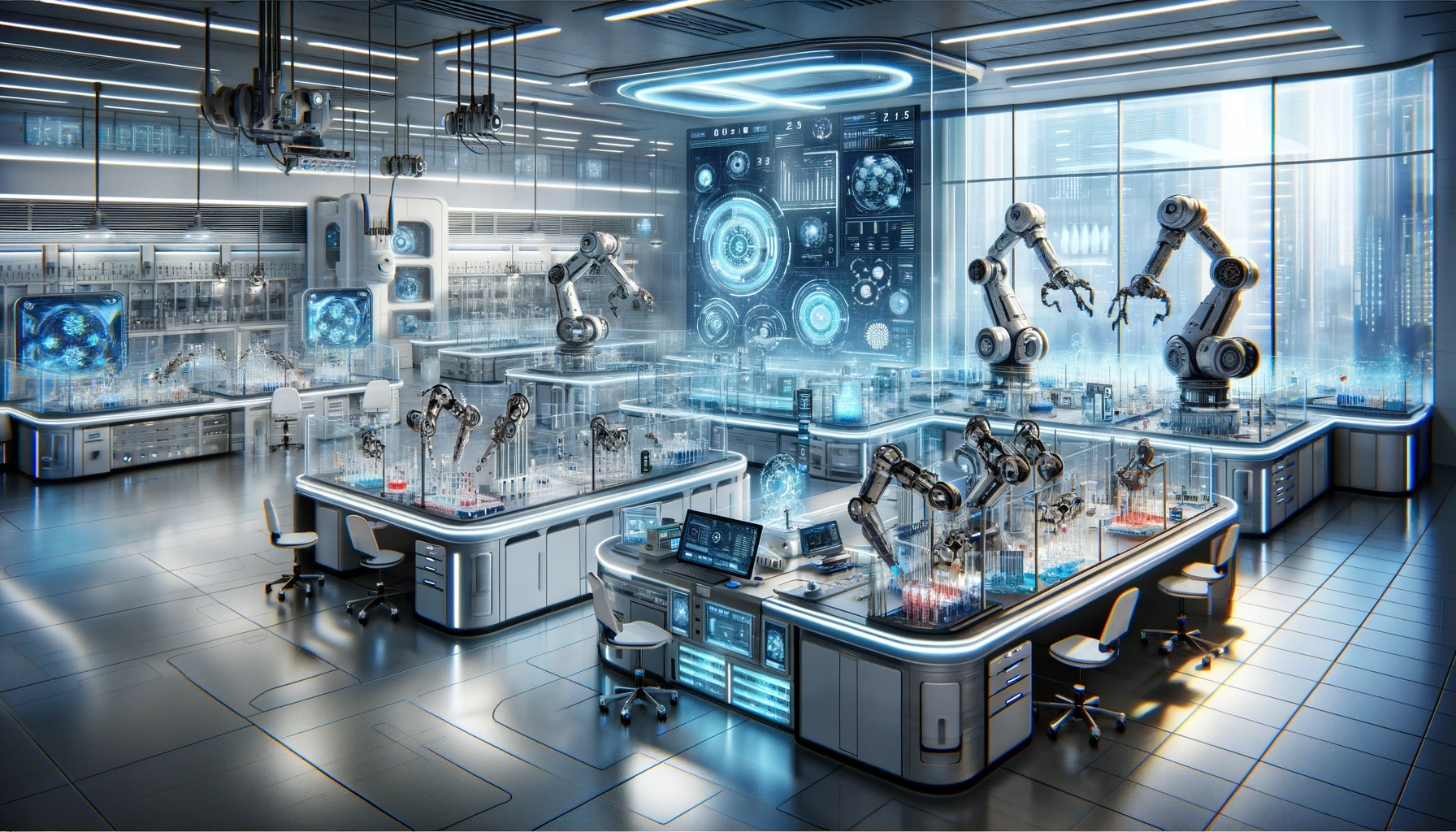
Artificial intelligence is rapidly transforming scientific laboratories, where automated systems powered by advanced models are now conducting experiments, analyzing data, and even proposing new research directions with minimal human intervention. These AI-driven platforms are streamlining workflows that once took weeks or months, enabling faster breakthroughs in fields ranging from pharmaceuticals to materials science. Proponents argue that this shift could usher in a new era of innovation by reducing costs and increasing efficiency, but critics warn that the speed and autonomy of these systems may outpace regulatory oversight and ethical safeguards. Concerns are growing about transparency, reproducibility, and the potential displacement of human researchers, as well as the broader implications of relying on machine-generated hypotheses in critical scientific domains. While the promise of accelerated discovery is undeniable, the integration of AI into laboratory environments is forcing institutions and policymakers to confront fundamental questions about accountability, control, and the future role of human expertise in science.
Sources
https://www.thetimes.com/business/technology/article/rise-robots-labs-experiments-chatgpt-ai-rllwrdcf0
https://www.nature.com/articles/d41586-023-04038-3
https://www.scientificamerican.com/article/ai-is-changing-how-science-gets-done/
Key Takeaways
- AI-powered laboratory systems are dramatically accelerating research timelines by automating experimentation and data analysis.
- The growing autonomy of these systems raises concerns about oversight, transparency, and the reliability of machine-generated scientific conclusions.
- The integration of AI in research environments could reshape the scientific workforce, potentially reducing reliance on traditional human-led experimentation.
In-Depth
The integration of artificial intelligence into laboratory environments marks a pivotal shift in how scientific discovery is conducted, and it’s happening faster than many institutions are prepared to manage. Automated systems, guided by sophisticated algorithms, are now capable of designing experiments, executing them with robotic precision, and interpreting the results in real time. What once required teams of researchers working for extended periods can now be accomplished in a fraction of the time, fundamentally altering the pace of innovation.
Supporters of this transformation point to the undeniable efficiencies. In industries like drug development, where time is not just money but often a matter of life and death, AI-driven labs offer a compelling advantage. By rapidly iterating through potential compounds and identifying promising candidates, these systems can cut through bottlenecks that have historically slowed progress. The same applies to materials science and energy research, where discovery cycles are being compressed dramatically.
But speed without accountability is where the conversation becomes more serious. As machines take on greater responsibility in the scientific process, questions about validation and reproducibility become harder to ignore. If an AI system generates a hypothesis or arrives at a conclusion, the ability of human researchers to independently verify those findings becomes essential—but not always straightforward. There’s also the issue of transparency, as many of these systems operate as black boxes, making it difficult to fully understand how decisions are made.
Beyond the technical concerns, there’s a broader cultural shift underway. The traditional image of the scientist—hands-on, methodical, deeply involved in every stage of experimentation—is being challenged. While AI can enhance human capability, there’s a legitimate concern that overreliance could erode critical thinking and reduce the role of human judgment in science.
At its core, this isn’t just a story about technology. It’s about control, responsibility, and the long-term direction of scientific inquiry. The benefits are real, but so are the risks, and navigating that balance will define the next chapter of modern research.