

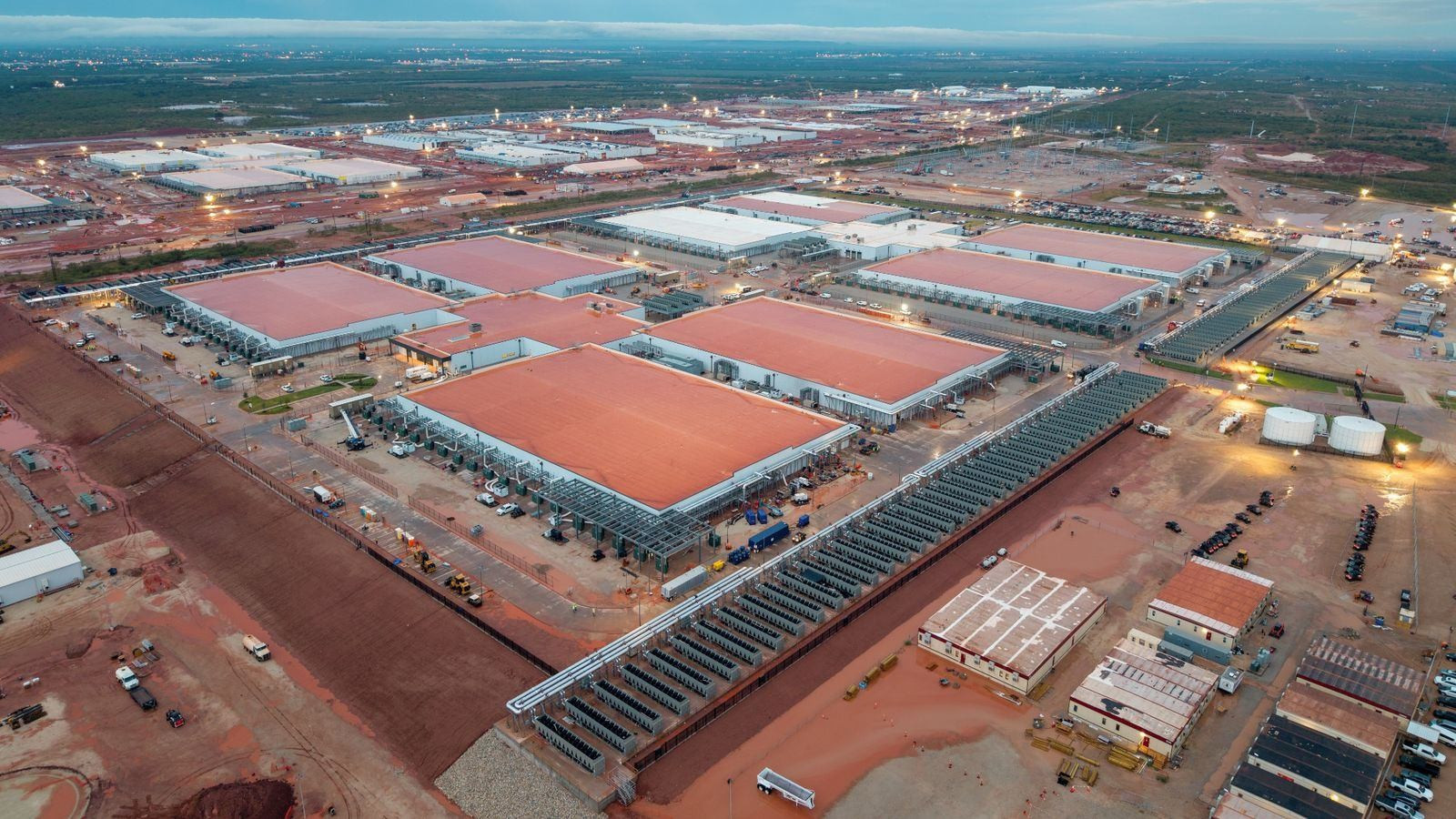
Georgia’s exploding data center boom is rapidly transforming once-rural communities into industrial technology corridors, igniting growing resistance from residents who fear losing family land, property rights, and local control to powerful developers and utility interests. Massive demand for artificial intelligence infrastructure, cloud computing, and digital storage has triggered a rush to acquire land across the state, particularly in areas near Atlanta where power access and fiber connectivity are favorable. Supporters argue the projects bring jobs, tax revenue, and long-term economic growth, but critics warn the benefits are often overstated while ordinary homeowners bear the burden of rising utility costs, environmental strain, water consumption concerns, and aggressive land acquisition tactics. The conflict increasingly reflects a broader national debate over whether governments and corporations are prioritizing the demands of Big Tech over the rights and stability of long-established American communities.
Sources
https://www.ajc.com/business/2026/05/the-data-center-boom-is-transforming-georgia-some-residents-could-lose-their-land
https://www.wsj.com/real-estate/commercial/data-centers-land-boom-ai-utilities-9b8f7f3e
https://www.cnbc.com/2026/05/12/ai-data-center-growth-power-grid-concerns.html
https://www.reuters.com/world/us/us-data-center-growth-raises-energy-water-land-concerns-2026-04-18
Key Takeaways
- The rapid expansion of AI-driven data centers is dramatically increasing pressure on landowners, utilities, and infrastructure across Georgia and the broader United States.
- Rural and suburban residents are increasingly resisting land acquisition efforts, fearing loss of property rights, declining quality of life, and higher utility costs driven by corporate energy demand.
- State and local governments appear eager to attract technology investment and tax revenue, but many communities believe ordinary citizens are receiving little meaningful protection in return.
In-Depth
The battle unfolding in Georgia is becoming a textbook example of what happens when technological ambition collides with local reality. Artificial intelligence may represent the next great economic frontier, but the infrastructure required to power it is not virtual. It is physical, sprawling, energy-hungry, and increasingly invasive. Data centers require enormous amounts of land, electricity, cooling systems, transmission infrastructure, and water access, and developers are moving aggressively to secure all of it before competitors do.
For many longtime residents, especially those in rural or semi-rural communities, the issue is no longer abstract. Families who have owned land for generations are now watching developers, utilities, and local officials circle their communities with growing intensity. Property values may rise temporarily, but so do taxes, congestion, noise, and pressure to sell. In some cases, residents fear eminent domain or coercive zoning changes could eventually force them out altogether.
What makes the situation especially frustrating for many conservatives and property-rights advocates is the imbalance of power. Wealthy technology firms often receive tax incentives, infrastructure assistance, and political support while ordinary homeowners are left navigating opaque planning meetings and corporate legal teams. The promise of “economic development” is repeatedly used to justify rapid expansion, even when the permanent local job creation from highly automated data centers is relatively modest.
Georgia’s experience may soon become the national model for similar conflicts. As AI systems consume more computing power, the race for data center dominance will only intensify. The real question is whether elected officials will protect citizens and communities with the same urgency they protect corporate investment interests.