

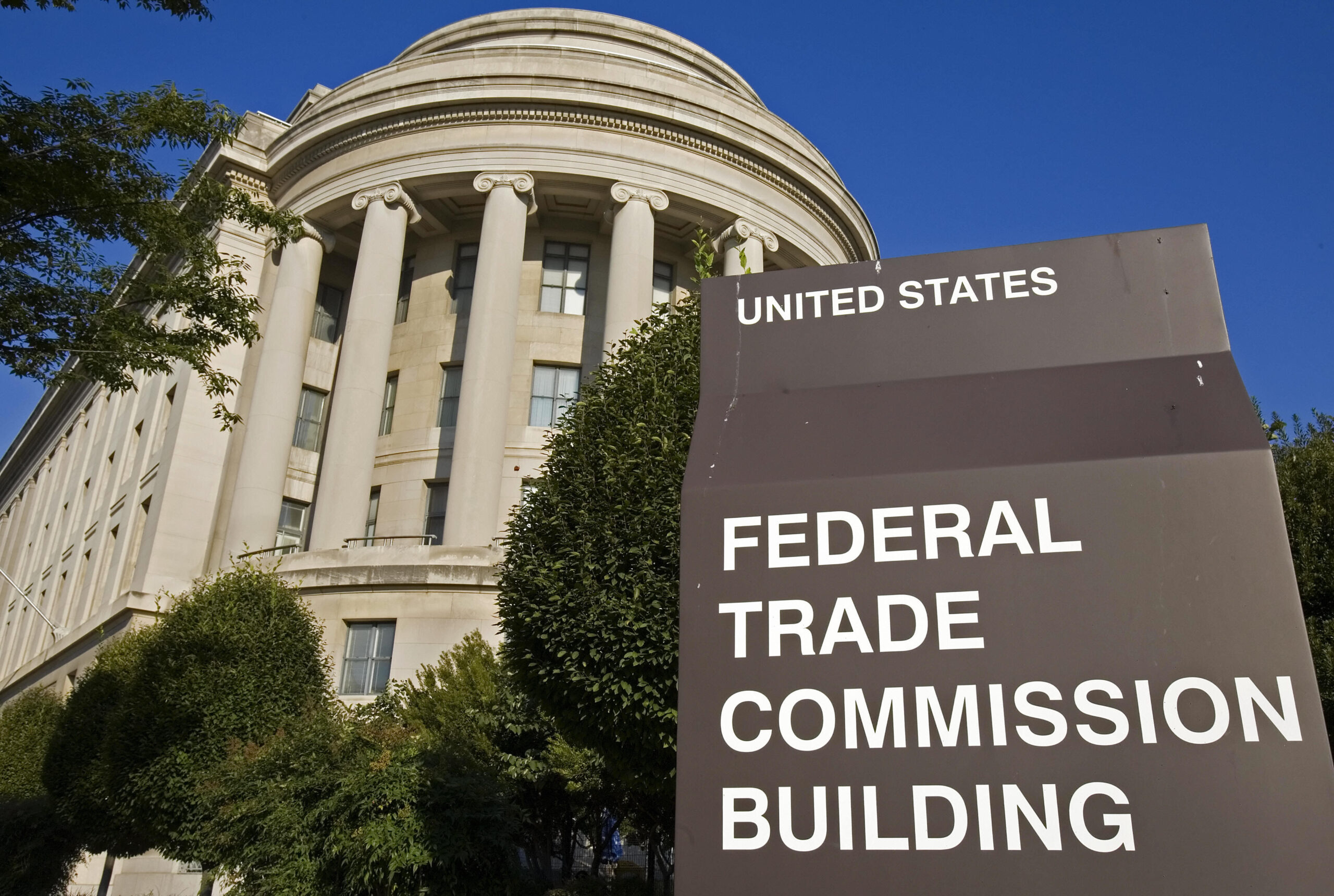
The Federal Trade Commission has ordered nine major American companies, including Walmart, Target, Uber and Delta Air Lines, to disclose whether they use consumers’ personal information to determine individualized prices and worker compensation. Announced Wednesday, Oct. 28, the investigation examines whether businesses exploit information such as browsing histories, purchasing habits, locations and income to charge different customers different prices for identical products or services. The inquiry also targets whether ride-sharing and delivery platforms use workers’ personal data to influence compensation offers. FTC Chairman Andrew Ferguson has raised concerns about secretive pricing algorithms that could undermine consumer confidence and marketplace transparency. The investigation comes as Americans continue confronting affordability concerns, raising questions about whether artificial intelligence is being used to improve commercial efficiency or extract additional money from consumers without their knowledge.
Key Takeaways
• Nine major companies face federal scrutiny: Walmart, Target, Uber, Lyft, DoorDash, Instacart, Delta, United and JetBlue must disclose information about their pricing algorithms and potential use of consumers’ personal data.
• Personalized pricing raises consumer protection concerns: The FTC is investigating whether businesses use artificial intelligence, shopping histories, geographic locations and other information to calculate what individual customers might be willing to pay, potentially charging different prices for identical goods and services.
• Federal regulators are examining worker compensation: The investigation also covers whether gig-economy platforms use personal information and previous job acceptance patterns to determine worker pay. Companies have 45 days after receiving their orders to respond, and the FTC could seek court enforcement for noncompliance.
In-Depth
The Federal Trade Commission is demanding greater transparency from nine major corporations as federal regulators investigate whether artificial intelligence and personal data are being used to manipulate consumer prices and worker compensation.
The October 28 inquiry targets Walmart, Target, Uber, Lyft, DoorDash, Instacart, Delta Air Lines, United Airlines and JetBlue. Investigators want to determine whether companies analyze browsing histories, purchasing behavior, geographic locations and other personal information to establish individualized prices.
Unlike conventional pricing based on supply, demand and competition, personalized pricing can allow businesses to estimate how much a particular customer might tolerate paying. Such practices raise questions about consumer privacy, fair competition and whether shoppers are unknowingly disadvantaged by information collected about them.
FTC Chairman Andrew Ferguson has emphasized that consumers deserve to understand whether their personal information influences the prices they encounter. The agency is also investigating whether ride-sharing and delivery companies use workers’ acceptance histories and other behavioral information to adjust compensation offers.
The investigation does not establish wrongdoing. Delta and JetBlue have denied using personal information to establish individualized fares, while Walmart has previously rejected suggestions that it uses customers’ income or willingness to pay to determine prices.
The FTC issued its information demands under Section 6(b) of the FTC Act, which authorizes broad industry studies. Companies have 45 days to respond.
Although regulators acknowledge that personalized pricing is not universally illegal, undisclosed practices could violate federal consumer protection laws.
The central question is whether technological innovation serves competitive markets and informed consumers or enables corporations to exploit information advantages at the public’s expense.