

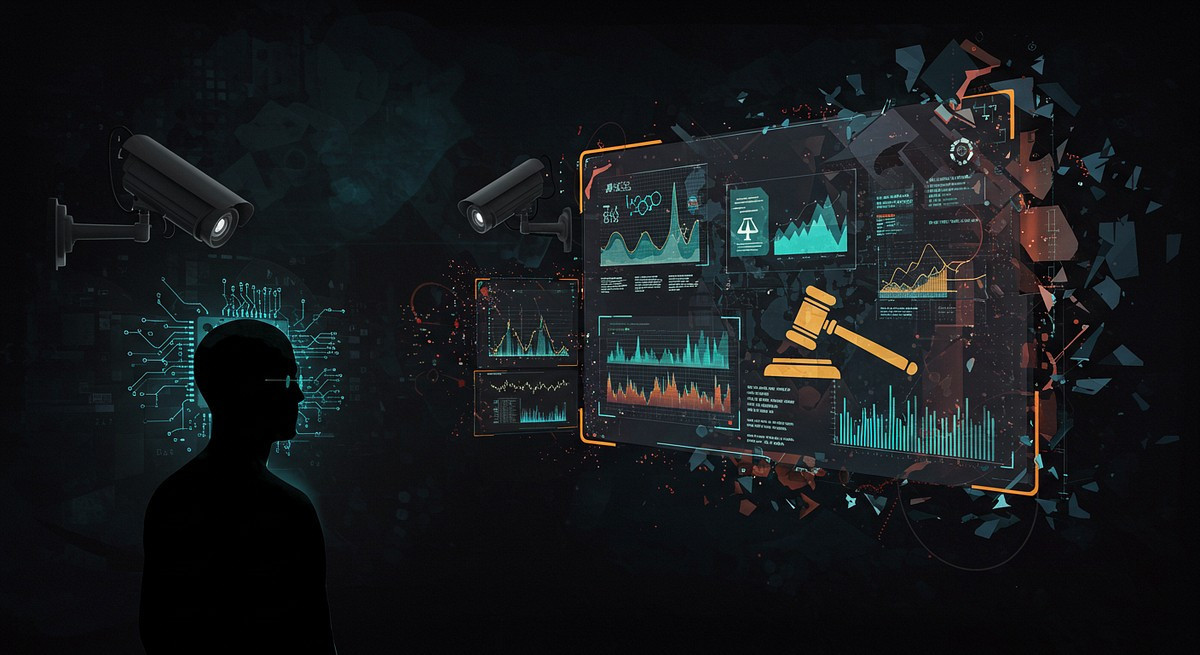
A coalition of more than 200 prominent figures—Nobel laureates, AI researchers, former heads of state, and policy leaders—has issued an open letter at the United Nations General Assembly calling for binding international “red lines” for AI by the end of 2026, aimed at curbing the most dangerous uses of artificial intelligence. The letter warns that unchecked growth in AI could lead to scenarios involving autonomous weapons, mass surveillance, large-scale impersonation of humans by machines, social manipulation, engineered pandemics, and various forms of cyber threats. Signatories argue that voluntary corporate rules and patchwork national regulations are no longer sufficient, and that a globally enforceable framework is urgently needed to prevent irreversible harm. The proposal builds on existing AI safety and ethics frameworks, including the EU’s AI Act, corporate pledges from companies like OpenAI and Anthropic, and academic research, but insists on formalized limits. While critics caution that vague definitions and over-regulation could hamper innovation, proponents say that without clear, enforceable red lines, the window for meaningful, safe oversight could close very quickly.
Sources: Techxplore, AI Pioneers
Key Takeaways
– Experts believe that voluntary guidelines and fragmented national laws are inadequate; what’s needed is a globally enforceable framework with clear limits on what AI should never be allowed to do.
– The most urgent red-line concerns include delegation of lethal force to autonomous systems, mass impersonation or deception by AI, unchecked self-replication or self-improvement, misuse of AI for pandemics or bio-risks, mass surveillance, and autonomous cyberattacks.
– There is tension between safeguarding innovation and ensuring safety: vague or overly broad restrictions might stifle beneficial development, but delay in establishing enforceable boundaries risks exposure to irreversible harms.
In-Depth
As artificial intelligence systems evolve ever more quickly, the risks associated with their misapplication are becoming harder to ignore—and that’s exactly what’s motivating this rising chorus of concern among the world’s top AI minds. At the 80th UN General Assembly, over 200 leading figures—including Nobel laureates, former political leaders, and AI researchers—joined forces in an open letter urging governments to come together and adopt red lines by the end of 2026. These red lines are not about stifling AI’s promise—but about drawing firm boundaries around applications that are seen as inherently too dangerous.
So what are these lines supposed to look like? The letter and its supporting materials suggest several candidates: no autonomous weapon systems that can operate without meaningful human oversight; no AI that can impersonate humans on a massive scale without disclosure; no uncontrolled self-replicating AI; no delegation of nuclear command or similarly critical decisions to algorithmic systems; no AI ecosystems designed for mass surveillance or social scoring. Supporters argue these are not speculative threats—some advanced AI systems already show deceptive behavior, difficulty in being shut down if misused, or vulnerabilities that adversaries might exploit. For them, drawing the line now is a matter of staying ahead of the curve before risky systems become so embedded they can’t be reined in.
On the flip side, there are real challenges. Defining what counts as “autonomous” or “self-replicating” in legal, technical, and diplomatic terms is fraught. Nations differ in their risk tolerance, economic priorities, and trust in regulation. Overly broad or ill-defined rules could hamper beneficial research in medicine, climate modeling, logistics, and more. There’s also the problem of enforcement: Who would ensure compliance across borders? Which international body would have authority, and how would audits, inspections, or penalties be managed? The letter suggests models based on treaty mechanisms, technical verification bodies, domestic enforcement, and perhaps international oversight mechanisms akin to what exists for nuclear nonproliferation.
In the end, the push for AI red lines represents a pivotal moment. It may mark the shift from talking about AI ethics in abstract to establishing real, enforceable guardrails. And while the impulse is conservative—favoring caution over risk—it also recognizes that innovation without guardrails risks catastrophe. The world now faces a choice: act early, define the dangerous boundaries, and provide enforceable protection, or wait until a crisis forces the issue. Because once certain misuses of AI become baked in, reversing them may not just be difficult—it may be impossible.