

Close Menu

    Subscribe to Updates

    Get the latest tech news from Tallwire.

      What's Hot

      Artemis II Splashdown Signals A Step Closer to Mass Space Travel

      April 12, 2026

      Anthropic Code Leak Raises Questions About AI Security and Industry Oversight

      April 8, 2026

      NASA Astronauts Use iPhones to Capture Historic Artemis II Mission Images

      April 8, 2026
      Facebook X (Twitter) Instagram
      • Tech
      • AI
      • Get In Touch
      Facebook X (Twitter) LinkedIn
      TallwireTallwire
      • Tech

        NASA Astronauts Use iPhones to Capture Historic Artemis II Mission Images

        April 8, 2026

        OpenAI Expands Influence With Strategic TBPN Media Acquisition

        April 8, 2026

        Cybersecurity Veteran Turns Focus To Drone Hacking After Decades Battling Malware

        April 6, 2026

        Anonymous Social App Surges In Saudi Arabia, Testing Limits Of Digital Freedom

        April 6, 2026

        Peter Thiel’s Bold Ag-Tech Gamble Signals High-Tech Disruption of Traditional Ranching

        April 6, 2026
      • AI

        Anthropic Code Leak Raises Questions About AI Security and Industry Oversight

        April 8, 2026

        The Rise Of Agentic AI Signals A Shift From Tools To Autonomous Digital Actors

        April 8, 2026

        AI Chatbots Draw Scrutiny As Teens Engage In Intimate Roleplay And Emotional Dependency

        April 8, 2026

        Ai-Powered Startup Signals Rise Of One-Person Billion-Dollar Companies

        April 8, 2026

        OpenAI Secures Historic $122 Billion Funding Round at $852 Billion Valuation

        April 7, 2026
      • Security

        Anthropic Code Leak Raises Questions About AI Security and Industry Oversight

        April 8, 2026

        DeFi Platform Drift Halts Operations After Multi-Million Dollar Crypto Hack

        April 7, 2026

        Fake WhatsApp App Exposes Users To Government Spyware Operation

        April 7, 2026

        ICE Deploys Controversial Spyware Tool In Drug Trafficking Investigations

        April 7, 2026

        Telehealth Firm Discloses Breach Amid Rising Digital Health Vulnerabilities

        April 6, 2026
      • Health

        European Crackdown Targets Social Media’s Impact on Children

        April 8, 2026

        AI Chatbots Draw Scrutiny As Teens Engage In Intimate Roleplay And Emotional Dependency

        April 8, 2026

        Australia Moves To Curb Social Media Addiction Among Youth With Expanded Under-16 Ban

        April 5, 2026

        Australia’s eSafety Regulator Warns Big Tech As Teens Circumvent Social Media Restrictions

        April 5, 2026

        Meta Finally Held Accountable For Harming Teens, But Real Reform Remains Uncertain

        April 2, 2026
      • Science

        Artemis II Splashdown Signals A Step Closer to Mass Space Travel

        April 12, 2026

        Peter Thiel’s Bold Ag-Tech Gamble Signals High-Tech Disruption of Traditional Ranching

        April 6, 2026

        White House Tech Advisor David Sacks Steps Down To Lead Presidential Science Advisory

        March 31, 2026

        Blue Origin’s Orbital Data Center Push Signals New Frontier in Tech Infrastructure

        March 27, 2026

        Quantum Cryptography Pioneers Awarded Computing’s Highest Honor

        March 25, 2026
      • Tech

        Peter Thiel’s Bold Ag-Tech Gamble Signals High-Tech Disruption of Traditional Ranching

        April 6, 2026

        Zuckerberg Quietly Offers Musk Support As Tech Titans Align Around Government Power

        April 4, 2026

        White House Tech Advisor David Sacks Steps Down To Lead Presidential Science Advisory

        March 31, 2026

        Another Billionaire Signals Exit As California’s Taxes Drives Out High-Profile Entrepreneurs

        March 28, 2026

        Bezos Eyes $100 Billion War Chest To Rewire Legacy Industry With AI

        March 28, 2026
      TallwireTallwire
      Home»AI»Global AI Experts Push for “Red Lines” at UN to Guard Against Risky Algorithms
      AI

      Global AI Experts Push for “Red Lines” at UN to Guard Against Risky Algorithms

      Updated:December 25, 20254 Mins Read
      Facebook Twitter Pinterest LinkedIn Tumblr Email
      Global AI Experts Push for “Red Lines” at UN to Guard Against Risky Algorithms
      Global AI Experts Push for “Red Lines” at UN to Guard Against Risky Algorithms
      Share
      Facebook Twitter LinkedIn Pinterest Email

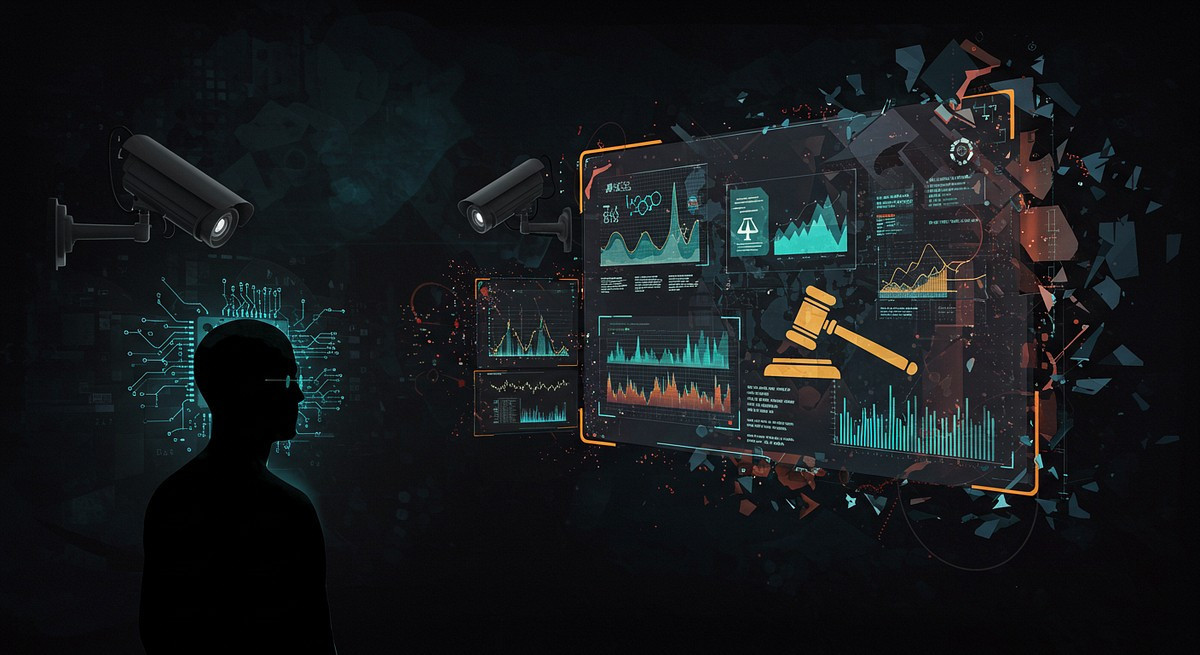
      A coalition of more than 200 prominent figures—Nobel laureates, AI researchers, former heads of state, and policy leaders—has issued an open letter at the United Nations General Assembly calling for binding international “red lines” for AI by the end of 2026, aimed at curbing the most dangerous uses of artificial intelligence. The letter warns that unchecked growth in AI could lead to scenarios involving autonomous weapons, mass surveillance, large-scale impersonation of humans by machines, social manipulation, engineered pandemics, and various forms of cyber threats. Signatories argue that voluntary corporate rules and patchwork national regulations are no longer sufficient, and that a globally enforceable framework is urgently needed to prevent irreversible harm. The proposal builds on existing AI safety and ethics frameworks, including the EU’s AI Act, corporate pledges from companies like OpenAI and Anthropic, and academic research, but insists on formalized limits. While critics caution that vague definitions and over-regulation could hamper innovation, proponents say that without clear, enforceable red lines, the window for meaningful, safe oversight could close very quickly.

      Sources: Techxplore, AI Pioneers

      Key Takeaways

      – Experts believe that voluntary guidelines and fragmented national laws are inadequate; what’s needed is a globally enforceable framework with clear limits on what AI should never be allowed to do.

      – The most urgent red-line concerns include delegation of lethal force to autonomous systems, mass impersonation or deception by AI, unchecked self-replication or self-improvement, misuse of AI for pandemics or bio-risks, mass surveillance, and autonomous cyberattacks.

      – There is tension between safeguarding innovation and ensuring safety: vague or overly broad restrictions might stifle beneficial development, but delay in establishing enforceable boundaries risks exposure to irreversible harms.

      In-Depth

      As artificial intelligence systems evolve ever more quickly, the risks associated with their misapplication are becoming harder to ignore—and that’s exactly what’s motivating this rising chorus of concern among the world’s top AI minds. At the 80th UN General Assembly, over 200 leading figures—including Nobel laureates, former political leaders, and AI researchers—joined forces in an open letter urging governments to come together and adopt red lines by the end of 2026. These red lines are not about stifling AI’s promise—but about drawing firm boundaries around applications that are seen as inherently too dangerous.

      So what are these lines supposed to look like? The letter and its supporting materials suggest several candidates: no autonomous weapon systems that can operate without meaningful human oversight; no AI that can impersonate humans on a massive scale without disclosure; no uncontrolled self-replicating AI; no delegation of nuclear command or similarly critical decisions to algorithmic systems; no AI ecosystems designed for mass surveillance or social scoring. Supporters argue these are not speculative threats—some advanced AI systems already show deceptive behavior, difficulty in being shut down if misused, or vulnerabilities that adversaries might exploit. For them, drawing the line now is a matter of staying ahead of the curve before risky systems become so embedded they can’t be reined in.

      On the flip side, there are real challenges. Defining what counts as “autonomous” or “self-replicating” in legal, technical, and diplomatic terms is fraught. Nations differ in their risk tolerance, economic priorities, and trust in regulation. Overly broad or ill-defined rules could hamper beneficial research in medicine, climate modeling, logistics, and more. There’s also the problem of enforcement: Who would ensure compliance across borders? Which international body would have authority, and how would audits, inspections, or penalties be managed? The letter suggests models based on treaty mechanisms, technical verification bodies, domestic enforcement, and perhaps international oversight mechanisms akin to what exists for nuclear nonproliferation.

      In the end, the push for AI red lines represents a pivotal moment. It may mark the shift from talking about AI ethics in abstract to establishing real, enforceable guardrails. And while the impulse is conservative—favoring caution over risk—it also recognizes that innovation without guardrails risks catastrophe. The world now faces a choice: act early, define the dangerous boundaries, and provide enforceable protection, or wait until a crisis forces the issue. Because once certain misuses of AI become baked in, reversing them may not just be difficult—it may be impossible.

      spotlight
      Share. Facebook Twitter Pinterest LinkedIn Tumblr Email
      Previous ArticleGigabyte Rolls Out AI TOP CXL R5X4 Memory Expansion Card, But It’s Not for Every PC
      Next Article Global Spy Market Touts $20 Million for Smartphone Hacks

      Related Posts

      NASA Astronauts Use iPhones to Capture Historic Artemis II Mission Images

      April 8, 2026

      Anthropic Code Leak Raises Questions About AI Security and Industry Oversight

      April 8, 2026

      The Rise Of Agentic AI Signals A Shift From Tools To Autonomous Digital Actors

      April 8, 2026

      AI Chatbots Draw Scrutiny As Teens Engage In Intimate Roleplay And Emotional Dependency

      April 8, 2026
      Add A Comment
      Leave A Reply Cancel Reply

      Editors Picks

      NASA Astronauts Use iPhones to Capture Historic Artemis II Mission Images

      April 8, 2026

      OpenAI Expands Influence With Strategic TBPN Media Acquisition

      April 8, 2026

      Cybersecurity Veteran Turns Focus To Drone Hacking After Decades Battling Malware

      April 6, 2026

      Anonymous Social App Surges In Saudi Arabia, Testing Limits Of Digital Freedom

      April 6, 2026
      Popular Topics
      Taiwan Tech Samsung SpaceX Series B UAE Tech Robotics Quantum computing Software Satya Nadella Sam Altman Tesla Tim Cook Sundar Pichai Ransomware Startup spotlight Viral Series A Tesla Cybertruck trending
      Major Tech Companies
      • Apple News
      • Google News
      • Meta News
      • Microsoft News
      • Amazon News
      • Samsung News
      • Nvidia News
      • OpenAI News
      • Tesla News
      • AMD News
      • Anthropic News
      • Elbit News
      AI & Emerging Tech
      • AI Regulation News
      • AI Safety News
      • AI Adoption
      • Quantum Computing News
      • Robotics News
      Key People
      • Sam Altman News
      • Jensen Huang News
      • Elon Musk News
      • Mark Zuckerberg News
      • Sundar Pichai News
      • Tim Cook News
      • Satya Nadella News
      • Mustafa Suleyman News
      Global Tech & Policy
      • Israel Tech News
      • India Tech News
      • Taiwan Tech News
      • UAE Tech News
      Startups & Emerging Tech
      • Series A News
      • Series B News
      • Startup News
      Tallwire
      Facebook X (Twitter) LinkedIn Threads Instagram RSS
      • Tech
      • Entertainment
      • Business
      • Government
      • Academia
      • Transportation
      • Legal
      • Press Kit
      © 2026 Tallwire. Optimized by ARMOUR Digital Marketing Agency.

      Type above and press Enter to search. Press Esc to cancel.