

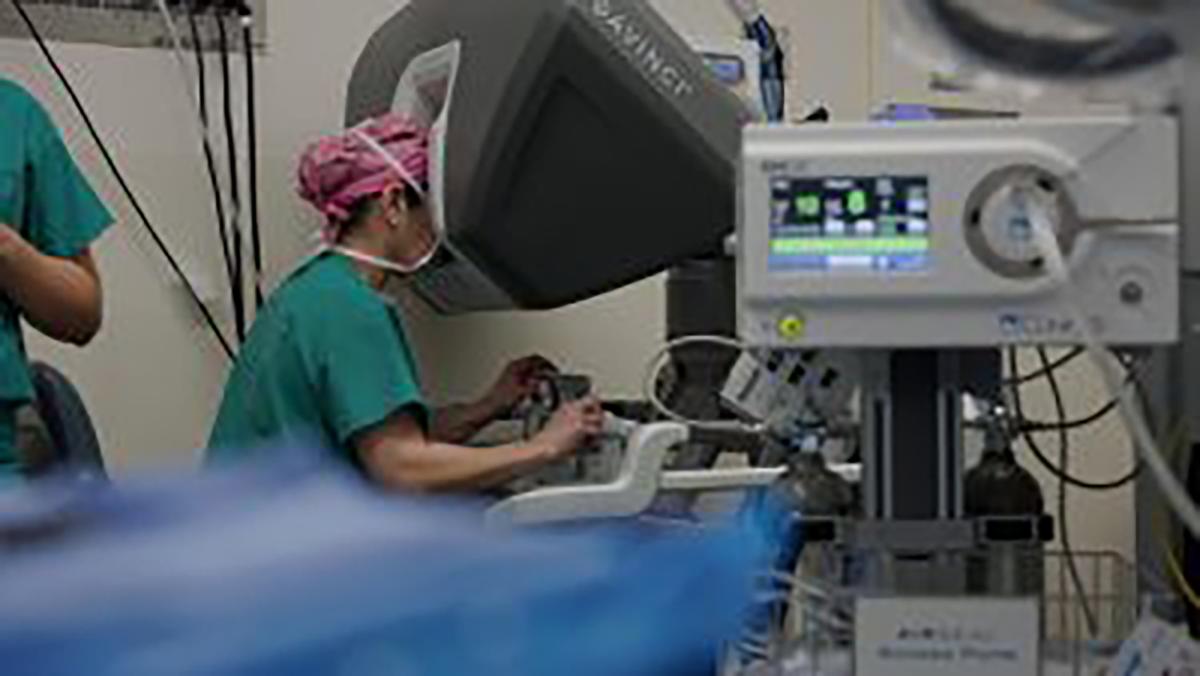
A New York mother has become one of the first patients to undergo a groundbreaking robotic nipple-sparing mastectomy using a newly FDA-cleared surgical robot named “Carol,” a $2 million system designed to perform highly precise breast surgery through a small incision hidden in the armpit. The innovative procedure allowed surgeons to remove breast tissue while preserving the skin and nipple, leaving only a minimal scar and enabling the patient to resume normal activities within weeks. The operation represents another significant step in the evolution of robotic-assisted surgery, offering the potential for improved cosmetic outcomes, reduced trauma, faster recovery, and enhanced quality of life for appropriately selected breast cancer patients, while researchers continue to evaluate the technology’s long-term clinical benefits. (Sources verified and accessible as of June 27, 2026.)
Sources
- https://nypost.com/2026/06/26/health/mom-gets-groundbreaking-mastectomy-from-a-2m-robot-named-carol
- https://www.aol.com/articles/mom-gets-groundbreaking-mastectomy-2m-172635869.html
- https://utswmed.org/medblog/robotic-mastectomy-breast-cancer
Key Takeaways
- Robotic nipple-sparing mastectomy is designed to remove breast tissue through a discreet incision while preserving the breast’s skin and nipple, potentially improving both cosmetic and psychological outcomes.
- The FDA’s recent clearance of robotic technology for this application reflects growing confidence in the safety and feasibility of carefully selected robotic breast surgery procedures.
- Although the technology remains expensive and will likely be available only at specialized medical centers initially, it represents another example of how innovation can improve patient care by reducing surgical trauma and accelerating recovery.
In-Depth
Medical innovation rarely arrives overnight. Instead, it advances one carefully studied procedure at a time, and robotic breast surgery appears to be following that familiar path. The recent operation performed with the newly approved robotic system known as “Carol” illustrates how modern technology is beginning to reshape one of the most emotionally and physically difficult procedures many women ever face.
Traditional mastectomies have saved countless lives, but they often leave significant physical reminders of the disease and can require lengthy recoveries. Robotic nipple-sparing techniques seek to minimize those burdens by allowing surgeons to operate through a small incision concealed beneath the arm while preserving the breast’s external appearance whenever medically appropriate. The reported result in this case—a tiny scar and a rapid return to normal activities—demonstrates why physicians and patients alike are closely watching the technology’s development.
Conservatives have long argued that medical innovation flourishes when scientific research, private investment, and physician expertise are allowed to work together with limited unnecessary regulatory barriers. While every new procedure must be rigorously evaluated for safety and long-term effectiveness, breakthroughs such as this underscore the remarkable progress that American medicine continues to produce. As additional clinical data become available and more surgeons gain experience with robotic systems, patients diagnosed with breast cancer may increasingly benefit from treatments that not only save lives but also preserve dignity, confidence, and quality of life.