

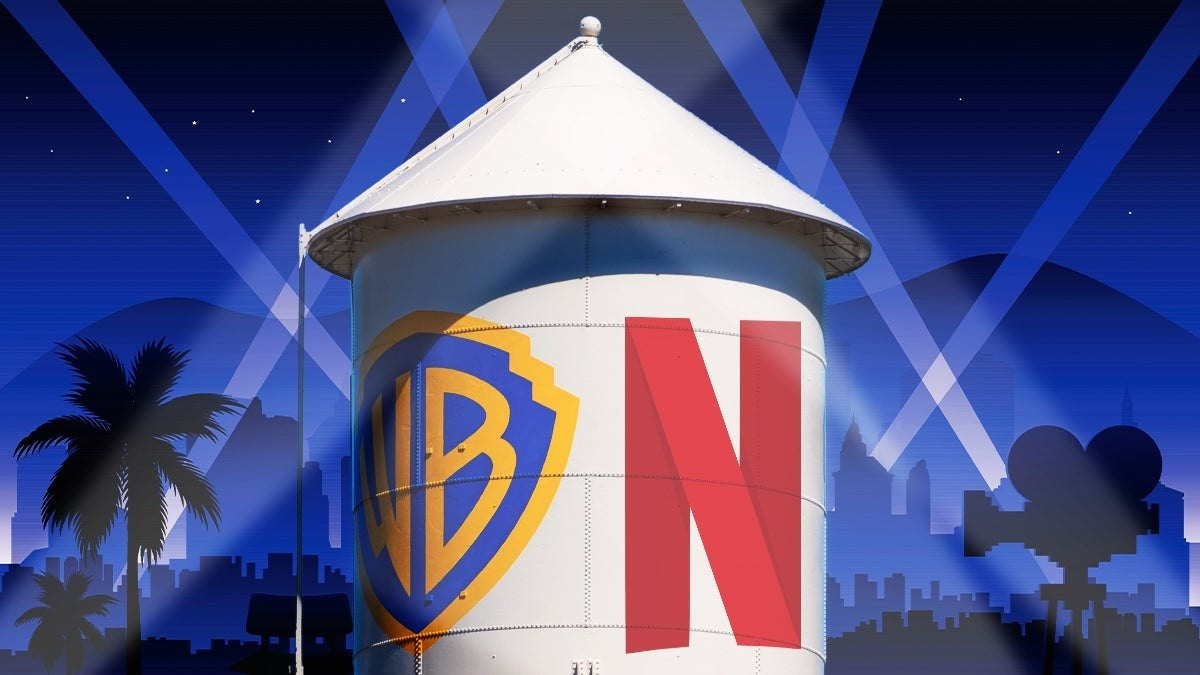
The landmark agreement between Netflix and Warner Bros sets the stage for a potentially seismic shift in Hollywood’s power structure as Netflix pledges to acquire Warner Bros studios, HBO/HBO Max, and its vast catalogue — a deal estimated at $82.7 billion. Backers argue this merger consolidates a streaming giant capable of delivering sprawling content vaults to 300 million subscribers worldwide, while also promising integration that could streamline production and unlock billions in cost savings. But critics — including major unions and cinema owners — warn the acquisition threatens creative diversity, imperils thousands of jobs, and undermines the theatrical model that’s long defined film culture. The coming months will test whether regulators block the transaction or allow it to remake how Americans consume movies and TV.
Sources: TechCrunch, Reuters
Key Takeaways
– The merger would create a vertically integrated media powerhouse: Netflix gains control over Warner Bros studios, HBO/HBO Max, and iconic franchises — consolidating production, distribution, and streaming under one roof.
– Industry unions and theater-owners are sounding alarms: concerns include potential job losses, suppressed wages, a shrinking slate of theatrical releases, and reduced creative and content diversity.
– Netflix projects $2–3 billion in annual savings post-merger and argues the deal supports innovation, greater investment in original content, and continued theatrical releases — though many remain skeptical.
In-Depth
As of early December 2025, the entertainment world is abuzz. Netflix has agreed to buy Warner Bros Discovery’s studio and streaming arm in a transaction valued at an enterprise total of $82.7 billion. The deal encompasses Warner Bros studios, HBO/HBO Max, their film and television libraries, and major franchises — effectively putting a massive portion of Hollywood’s creative output under Netflix’s control. If regulators approve, it would mark one of the biggest restructurings in the modern history of film and television.
From Netflix’s perspective, this is more than a content grab — it’s a strategic consolidation. By combining production, library content, and streaming under a single roof, the company expects to cut costs, streamline operations, and tap into synergies worth $2 to $3 billion annually within a few years. For a streamer that already counts over 300 million paid subscribers globally, owning blockbuster franchises and decades’ worth of film and TV catalogues could cement its dominance in global streaming, gaming tie-ins, and theatrical distribution.
Yet not everyone welcomes the move. Union leaders representing writers and actors argue the merger could lead to mass layoffs, lower wages, and fewer jobs for creative workers — outcomes contrary to antitrust law’s original purpose. Theater owners and exhibitors warn the deal may hasten the decline of theatrical film, endangering independent cinemas and reducing what they see as the rich tradition of theatrical releases. The core of the criticism: fewer players in the field means less competition, narrower creative output, and potentially higher prices for viewers despite promises of new investments.
Netflix executives say they intend to preserve theatrical release plans for existing Warner Bros projects and continue creating content under both the Netflix and HBO brands. But fears linger that the “windows” — the delay between theatrical release and streaming — will shrink, potentially squeezing out the middleman of independent theaters and limiting variety for audiences.
As this drama unfolds, regulators face a tough decision. Approving the merger could accelerate Hollywood’s transformation — but doing so might also mean reserving fewer doors for creators, narrowing public choice, and reshaping entertainment consumption for decades.