

Close Menu

    Subscribe to Updates

    Get the latest tech news from Tallwire.

      What's Hot

      SpaceX’s Long March From Startup Risk to Public Market Titan

      June 15, 2026

      When Machines Speak: Can AI Influence Suicide—and Who Bears Responsibility?

      June 15, 2026

      China’s New AI Push Raises Alarms Over Human Rights and Western Tech Exposure

      June 15, 2026
      Facebook X (Twitter) Instagram
      • Tech
      • AI
      • Get In Touch
      Facebook X (Twitter) LinkedIn
      TallwireTallwire
      • Tech

        Bronx Physicist Becomes First Recipient Of Advanced 3D-Printed Robotic Arm

        June 14, 2026

        Americans Increasingly Distrust Software Updates as Concerns Over Device Performance Grow

        June 14, 2026

        Five Eyes Alliance Warns China Is Using LinkedIn to Recruit Potential Spies

        June 13, 2026

        China Claims First Commercial Brain Chip Victory Over Musk

        June 13, 2026

        Schools Push Back Against Social Media as Concerns Over Student Well-Being Grow

        June 11, 2026
      • AI

        SpaceX’s Long March From Startup Risk to Public Market Titan

        June 15, 2026

        China’s New AI Push Raises Alarms Over Human Rights and Western Tech Exposure

        June 15, 2026

        U.S. Export Controls Force Anthropic to Disable Advanced AI Models Worldwide

        June 15, 2026

        OpenAI Uncovers China-Linked Effort to Undermine U.S. AI Infrastructure Debate

        June 15, 2026

        Disney AI Executive’s Chatbot Attachment Raises Questions Inside Company

        June 14, 2026
      • Security

        Canadian Lawsuit Intensifies Scrutiny of AI Chatbots and Mental Health Risks

        June 15, 2026

        China’s New AI Push Raises Alarms Over Human Rights and Western Tech Exposure

        June 15, 2026

        OpenAI Uncovers China-Linked Effort to Undermine U.S. AI Infrastructure Debate

        June 15, 2026

        Meta Retreats After Employee Revolt Over AI Surveillance Program

        June 14, 2026

        Americans Increasingly Distrust Software Updates as Concerns Over Device Performance Grow

        June 14, 2026
      • Health

        Canadian Lawsuit Intensifies Scrutiny of AI Chatbots and Mental Health Risks

        June 15, 2026

        Bronx Physicist Becomes First Recipient Of Advanced 3D-Printed Robotic Arm

        June 14, 2026

        Disney AI Executive’s Chatbot Attachment Raises Questions Inside Company

        June 14, 2026

        Teen Boys Increasingly Turn To AI Girlfriends As Experts Warn Of Social Consequences

        June 14, 2026

        China Claims First Commercial Brain Chip Victory Over Musk

        June 13, 2026
      • Science

        Bronx Physicist Becomes First Recipient Of Advanced 3D-Printed Robotic Arm

        June 14, 2026

        China Claims First Commercial Brain Chip Victory Over Musk

        June 13, 2026

        Amazon’s Data Center Breakthrough Could Cement America’s AI Dominance

        June 7, 2026

        Drug-Resistant Typhoid Raises New Fears of a Global Health Crisis

        June 6, 2026

        AI Accessibility Breakthrough Shows Technology’s Best Use Case

        June 5, 2026
      • Tech

        Elon Musk Crosses the Trillion-Dollar Threshold as SpaceX IPO Reshapes Global Wealth Rankings

        June 14, 2026

        Nadella Rejects “Addictive AI” Strategy After Leaked Scout Memo Sparks Backlash

        June 13, 2026

        Arbitrator Orders Ex-Girlfriend of Former Google CEO Eric Schmidt to Pay More Than $10 Million

        June 12, 2026

        Reid Hoffman Steps Down From Microsoft Board To Refocus On AI Ventures

        June 10, 2026

        Gwynne Shotwell Emerges as the Operational Force Behind SpaceX’s Rise

        June 10, 2026
      TallwireTallwire
      Home»Tech»Homeowners Downgrade from “Smart Homes” to Analog “Dumb Homes” for Peace and Privacy
      Tech

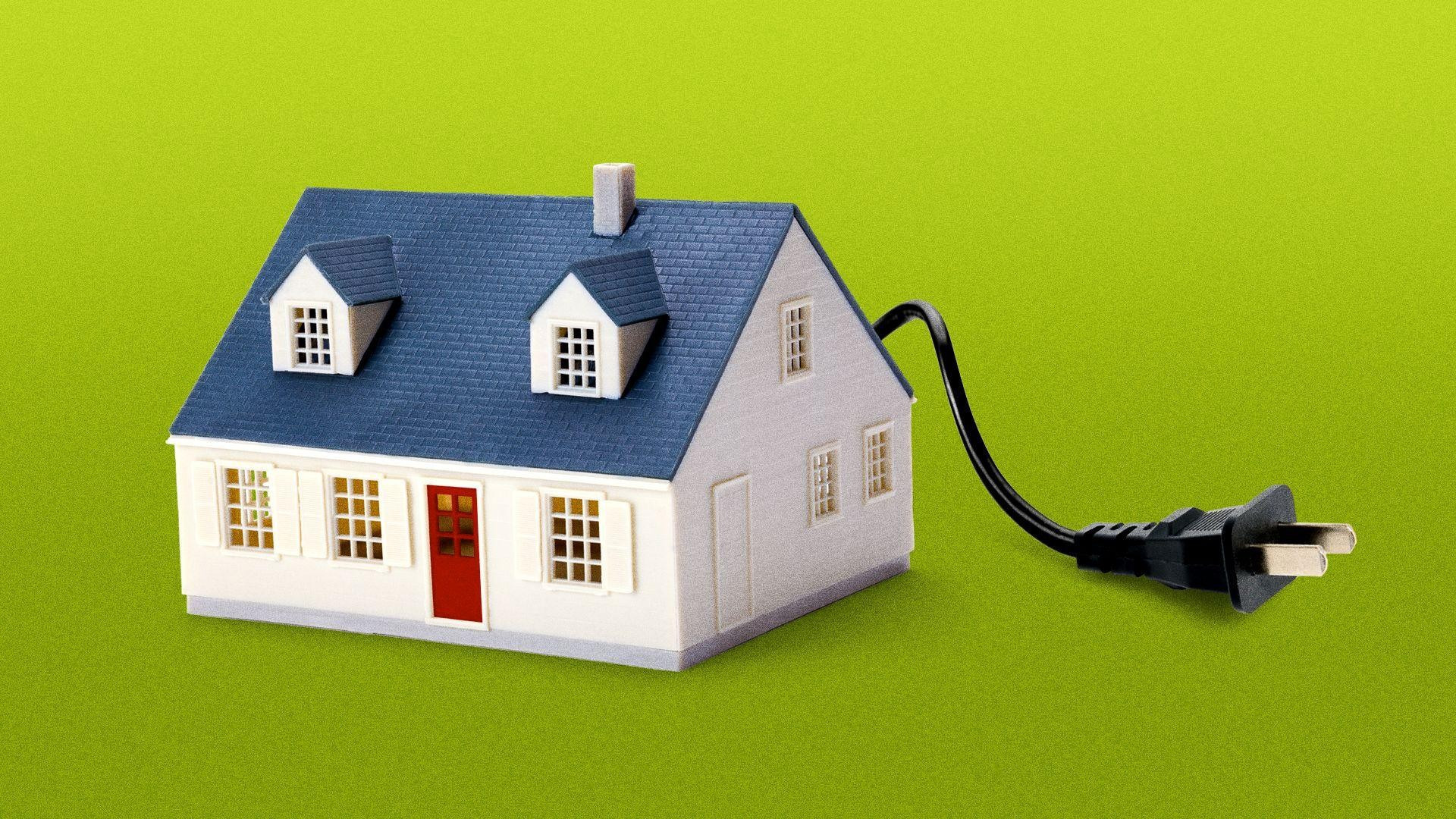
      Homeowners Downgrade from “Smart Homes” to Analog “Dumb Homes” for Peace and Privacy

      4 Mins Read
      Facebook Twitter Pinterest LinkedIn Tumblr Email
      Homeowners Downgrade from “Smart Homes” to Analog “Dumb Homes” for Peace and Privacy
      Homeowners Downgrade from “Smart Homes” to Analog “Dumb Homes” for Peace and Privacy
      Share
      Facebook Twitter LinkedIn Pinterest Email

      A growing number of homeowners—especially in affluent markets—are actively rejecting the ultra-connected smart home lifestyle in favor of what’s being called “dumb homes,” where manual switches, landlines and offline appliances dominate. According to Global Wellness Institute vice-president Beth McGroarty, the shift is part of a broader “analog wellness” movement in which people crave relief from always-listening, always-leaking, always-updating smart-device ecosystems. The design-media brand Dwell has even identified the decline of smart homes as a major trend for 2025 and beyond. Luxury property specialists report that some wealthy buyers are shunning WiFi-enabled voice-activated appliances and complex home automation systems—often because rapid obsolescence, hidden costs, and privacy concerns outweigh the hype. Meanwhile, the analog wellness movement spans beyond housing into travel and leisure, where “logging off” and returning to tactile, screen-free experiences are gaining traction. 

      Sources: Hollywood Reporter, SlashDot

      Key Takeaways

      – Many homeowners are choosing simpler, manually-controlled homes over smart-home systems due to concerns about reliability, obsolescence and privacy.

      – The analog wellness trend is driving design and real-estate decisions—homes and resorts are increasingly emphasizing unplugged spaces and tactile experiences.

      – While smart-home technologies remain popular in some tech-heavy markets, their perceived value (especially in second-home destinations or for buyers seeking a retreat) is declining.

      In-Depth

      In recent years the smart-home concept has been positioned as the ultimate modern living upgrade: voice-activated assistants, WiFi-enabled refrigerators, connected thermostats, remote-controlled lighting and HVAC systems. The pitch was clear: convenience, energy savings, seamless automation. But now, a countermovement is gaining momentum—one that argues living fully connected has a hidden cost. Not just in dollars, but in autonomy, privacy and even peace of mind.

      According to the Global Wellness Institute’s research, the term “analog wellness” captures a growing sentiment: that being constantly surrounded by listening devices and invisible connectivity can create anxiety rather than comfort. For some homeowners, the smart-home ecosystem has become a house of cards—updates, server shutdowns, forced obsolescence, data harvesting. One luxury market designer even told the Hollywood Reporter that a client in Los Angeles spent more than $100 000 just to rip out a dysfunctional automated system and bring in traditional switches and controls instead. 

      In the real-estate realm this shows up in interesting ways: higher-end buyers opting out of voice-activated appliances, manual light switches instead of automated mood-scenes, even returning to landlines as a way of separating home from always-on mobile culture. The design media brand Dwell has flagged the “decline of smart homes” as a major trend for 2025 —and Zillow data referenced in the Axios article suggests that features like reading nooks (offline, analog-friendly spaces) are appearing more often in listings. 

      From a conservative-leaning viewpoint it’s worth noting what may be underlying this trend: a push for durability, transparency and self-reliance rather than a race for novelty. Manual systems, simpler controls, and fewer dependencies on external servers or subscription models align more with the idea of a home as a stable investment rather than a tech gadget. The smart-home industry may promise luxury, but for many buyers the risk of rapid depreciation, forced upgrades or data-leakage is simply not worth the premium.

      Of course, this doesn’t mean that all technology is being cast aside—many homeowners still want high-quality appliances, efficient heating/cooling systems and good connectivity. But the difference lies in keeping the tech functional and local, rather than investing in fully networked ecosystems that require constant updates, cloud dependencies or rely on companies that may vanish. In markets where buyers are looking for retreats—second homes, vacation properties, or simply places to unplug—the ROI (return on investment) for smart systems appears weaker. 

      In practical terms for a homeowner or builder this trend might suggest that rather than defaulting to “smart everything,” one could evaluate: Is this feature truly delivering utility, or is it delivering complexity? Will it be supported five or ten years from now? Could a manual or local-control solution serve the same purpose more reliably? As the analog wellness movement underscores, the value may lie not in the newest gadget, but in the quiet, uninterrupted space free from alerts, listening devices and software end-of-life issues.

      In short: A “dumb” home doesn’t mean lacking features or falling behind—it might mean choosing solidity over hype. For homeowners who view their residence as a long-term investment in stability, privacy and personal control, the shift away from ever-connected automation may make more sense than the smart-home race. And in an age when durability and independence increasingly matter, the analogue choice might just be the more forward-looking one.

      Share. Facebook Twitter Pinterest LinkedIn Tumblr Email
      Previous ArticleHollywood’s Game-Changer: What the Netflix–Warner Bros Deal Means for the Industry
      Next Article Honda’s Jump From Cars to Rockets Stuns the Industry

      Related Posts

      Bronx Physicist Becomes First Recipient Of Advanced 3D-Printed Robotic Arm

      June 14, 2026

      Americans Increasingly Distrust Software Updates as Concerns Over Device Performance Grow

      June 14, 2026

      Five Eyes Alliance Warns China Is Using LinkedIn to Recruit Potential Spies

      June 13, 2026

      China Claims First Commercial Brain Chip Victory Over Musk

      June 13, 2026
      Add A Comment
      Leave A Reply Cancel Reply

      Editors Picks

      Bronx Physicist Becomes First Recipient Of Advanced 3D-Printed Robotic Arm

      June 14, 2026

      Americans Increasingly Distrust Software Updates as Concerns Over Device Performance Grow

      June 14, 2026

      Five Eyes Alliance Warns China Is Using LinkedIn to Recruit Potential Spies

      June 13, 2026

      China Claims First Commercial Brain Chip Victory Over Musk

      June 13, 2026
      Popular Topics
      Tesla SpaceX trending Satellite Tesla Cybertruck Stocks UAE Tech Space spotlight Tim Cook Startup Series A Sundar Pichai Series B Taiwan Tech Software Samsung Satya Nadella starlink Viral
      Major Tech Companies
      • Apple News
      • Google News
      • Meta News
      • Microsoft News
      • Amazon News
      • Samsung News
      • Nvidia News
      • OpenAI News
      • Tesla News
      • AMD News
      • Anthropic News
      • Elbit News
      AI & Emerging Tech
      • AI Regulation News
      • AI Safety News
      • AI Adoption
      • Quantum Computing News
      • Robotics News
      Key People
      • Sam Altman News
      • Jensen Huang News
      • Elon Musk News
      • Mark Zuckerberg News
      • Sundar Pichai News
      • Tim Cook News
      • Satya Nadella News
      • Mustafa Suleyman News
      Global Tech & Policy
      • Israel Tech News
      • India Tech News
      • Taiwan Tech News
      • UAE Tech News
      Startups & Emerging Tech
      • Series A News
      • Series B News
      • Startup News
      Tallwire
      Facebook X (Twitter) LinkedIn Threads Instagram RSS
      • Tech
      • Entertainment
      • Business
      • Government
      • Academia
      • Transportation
      • Legal
      • Press Kit
      © 2026 Tallwire. Optimized by ARMOUR Digital Marketing Agency.

      Type above and press Enter to search. Press Esc to cancel.