

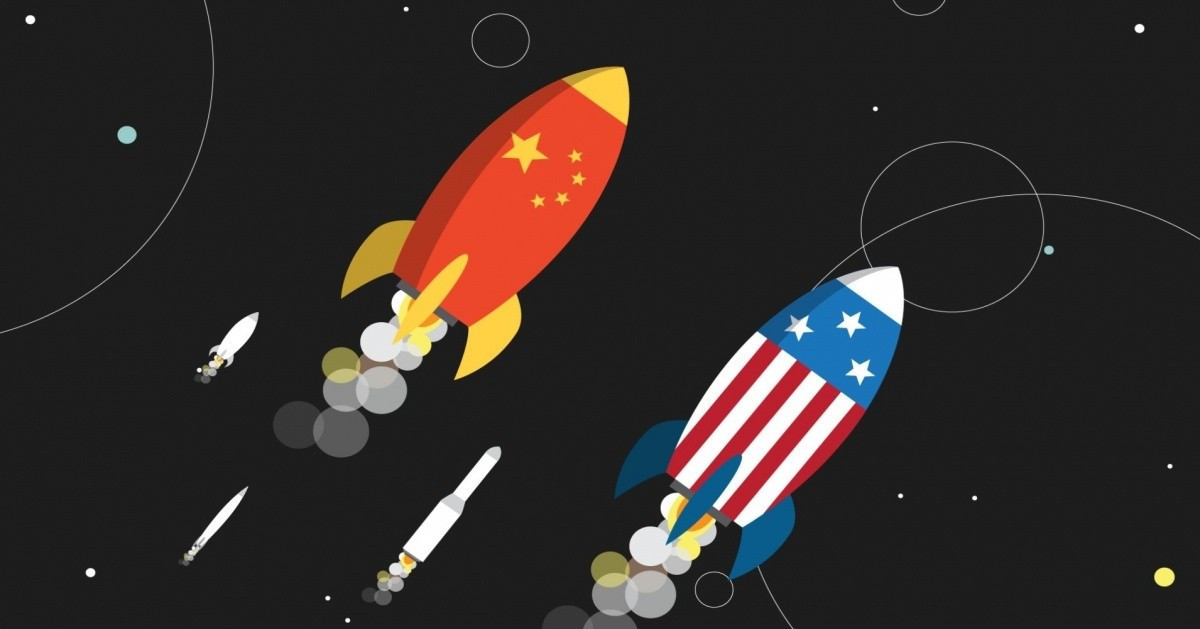
A new proposal from the AI Futures Project argues that the United States and China should negotiate a temporary pause in frontier artificial intelligence development to establish meaningful safety safeguards before pursuing even more powerful systems. The proposal, titled “AI 2040: Plan A,” was developed under the leadership of former OpenAI researcher Daniel Kokotajlo, who contends that today’s AI capabilities are already sufficient to fuel years of economic growth while giving policymakers time to reduce catastrophic risks associated with increasingly autonomous systems. Critics dismiss the proposal as unrealistic, arguing that geopolitical competition makes such a pause unenforceable and that slowing American development could hand strategic advantages to China. The debate highlights a growing divide within the AI community between those who prioritize rapid technological advancement and those who believe the race for superintelligence requires unprecedented international coordination and enforceable safeguards before capabilities outpace humanity’s ability to control them.
Sources
- https://www.semafor.com/article/07/10/2026/a-new-plan-emerges-for-ai-apocalypse-avoidance
- https://arxiv.org/abs/2310.17688
- https://arxiv.org/abs/2603.27785
Key Takeaways
- • AI safety advocates are increasingly calling for international agreements to temporarily slow development of the most advanced AI systems until stronger governance and technical safeguards are in place.
- • Critics argue that any voluntary pause would be difficult to verify and could weaken America’s competitive position if geopolitical rivals continue advancing frontier AI capabilities.
- • The broader debate has shifted from whether advanced AI presents significant long-term risks to how governments should balance innovation, national security, economic growth, and public safety.
In-Depth
The emergence of “AI 2040: Plan A” reflects a growing conviction among a segment of artificial intelligence researchers that the industry’s greatest challenge is no longer building more capable systems but ensuring those systems remain under meaningful human control. Rather than advocating a permanent halt to AI development, the proposal envisions a temporary pause in frontier research while governments and private industry establish technical, legal, and international frameworks designed to prevent catastrophic misuse or unintended consequences.
From a conservative perspective, the proposal raises legitimate questions without offering easy answers. America’s technological leadership has long been a pillar of its economic and national security strength, making any voluntary slowdown difficult to justify if adversarial nations cannot be trusted to honor similar commitments. History offers few examples where strategic competitors willingly paused development of transformative technologies, particularly those with military and economic implications.
At the same time, dismissing AI safety concerns outright would be equally shortsighted. As AI systems become increasingly autonomous, policymakers face the difficult task of preserving American innovation while ensuring the technology develops within guardrails that protect both national interests and individual liberty. The central challenge is finding a path that avoids unnecessary regulation while recognizing that powerful technologies often require prudent oversight. Whether “Plan A” ultimately proves practical or not, it underscores an increasingly important policy debate: how the United States can remain the world’s AI leader without allowing the pursuit of technological dominance to outpace responsible governance.