

Close Menu

    Subscribe to Updates

    Get the latest creative news from FooBar about art, design and business.

    What's Hot

    Amazon Stock Hits Worst Losing Streak Since 2006 Amid Investor AI Spending Fears

    February 17, 2026

    Why Your Personal Data Keeps Showing Up on the Dark Web as It Grows

    February 17, 2026

    U.S. Automakers Recalibrate EV Strategy as Federal Subsidies End and Demand Wanes

    February 17, 2026
    Facebook X (Twitter) Instagram
    • Tech
    • AI News
    • Get In Touch
    Facebook X (Twitter) LinkedIn
    TallwireTallwire
    • Tech

      U.S. Automakers Recalibrate EV Strategy as Federal Subsidies End and Demand Wanes

      February 17, 2026

      Roku Plans Streaming Bundles Push to Boost Profitability in 2026

      February 17, 2026

      Meta Plans Facial Recognition for Smart Glasses Amid Privacy Pushback

      February 17, 2026

      Spotify Developers Haven’t Written Code Since December Thanks to AI Transformation

      February 16, 2026

      Waymo Goes Fully Autonomous in Nashville, Tennessee

      February 16, 2026
    • AI News

      Amazon Stock Hits Worst Losing Streak Since 2006 Amid Investor AI Spending Fears

      February 17, 2026

      Why Your Personal Data Keeps Showing Up on the Dark Web as It Grows

      February 17, 2026

      Behind the AI Industry’s Burnout and Turnover Crisis

      February 17, 2026

      Meta Plans Facial Recognition for Smart Glasses Amid Privacy Pushback

      February 17, 2026

      Airbnb Shifts One-Third Of Customer Support To AI In North America

      February 17, 2026
    • Security

      Why Your Personal Data Keeps Showing Up on the Dark Web as It Grows

      February 17, 2026

      Fintech Lending Giant Figure Confirms Significant Data Breach Exposing Customer Records

      February 17, 2026

      US Lawmakers Urge Tighter Export Controls to Curb China’s Access to Chipmaking Equipment

      February 16, 2026

      Senator Raises Questions On eSafety Crackdown And Potential Strain On US-Australia Relationship

      February 16, 2026

      AI Safety Researcher Resigns, Warns ‘World Is in Peril’ Amid Broader Industry Concerns

      February 15, 2026
    • Health

      UK Kids Turning to AI Chatbots and Acting on Advice at Alarming Rates

      February 16, 2026

      Landmark California Trial Sees YouTube Defend Itself, Rejects ‘Social Media’ and Addiction Claims

      February 16, 2026

      Instagram Top Executive Says ‘Addiction’ Doesn’t Exist in Landmark Social Media Trial

      February 15, 2026

      Amazon Pharmacy Rolls Out Same-Day Prescription Delivery To 4,500 U.S. Cities

      February 14, 2026

      AI Advances Aim to Bridge Labor Gaps in Rare Disease Treatment

      February 12, 2026
    • Science

      XAI Publicly Unveils Elon Musk’s Interplanetary AI Vision In Rare All-Hands Release

      February 14, 2026

      Elon Musk Shifts SpaceX Priority From Mars Colonization to Building a Moon City

      February 14, 2026

      NASA Artemis II Spacesuit Mobility Concerns Ahead Of Historic Mission

      February 13, 2026

      AI Agents Build Their Own MMO Playground After Moltbook Ignites Agent-Only Web Communities

      February 12, 2026

      AI Advances Aim to Bridge Labor Gaps in Rare Disease Treatment

      February 12, 2026
    • People

      Google Co-Founder’s Epstein Contacts Reignite Scrutiny of Elite Tech Circles

      February 7, 2026

      Bill Gates Denies “Absolutely Absurd” Claims in Newly Released Epstein Files

      February 6, 2026

      Informant Claims Epstein Employed Personal Hacker With Zero-Day Skills

      February 5, 2026

      Starlink Becomes Critical Internet Lifeline Amid Iran Protest Crackdown

      January 25, 2026

      Musk Pledges to Open-Source X’s Recommendation Algorithm, Promising Transparency

      January 21, 2026
    TallwireTallwire
    Home»Tech»Hollywood’s Game-Changer: What the Netflix–Warner Bros Deal Means for the Industry
    Tech

    Hollywood’s Game-Changer: What the Netflix–Warner Bros Deal Means for the Industry

    3 Mins Read
    Facebook Twitter Pinterest LinkedIn Tumblr Email
    Hollywood’s Game-Changer: What the Netflix–Warner Bros Deal Means for the Industry
    Hollywood’s Game-Changer: What the Netflix–Warner Bros Deal Means for the Industry
    Share
    Facebook Twitter LinkedIn Pinterest Email

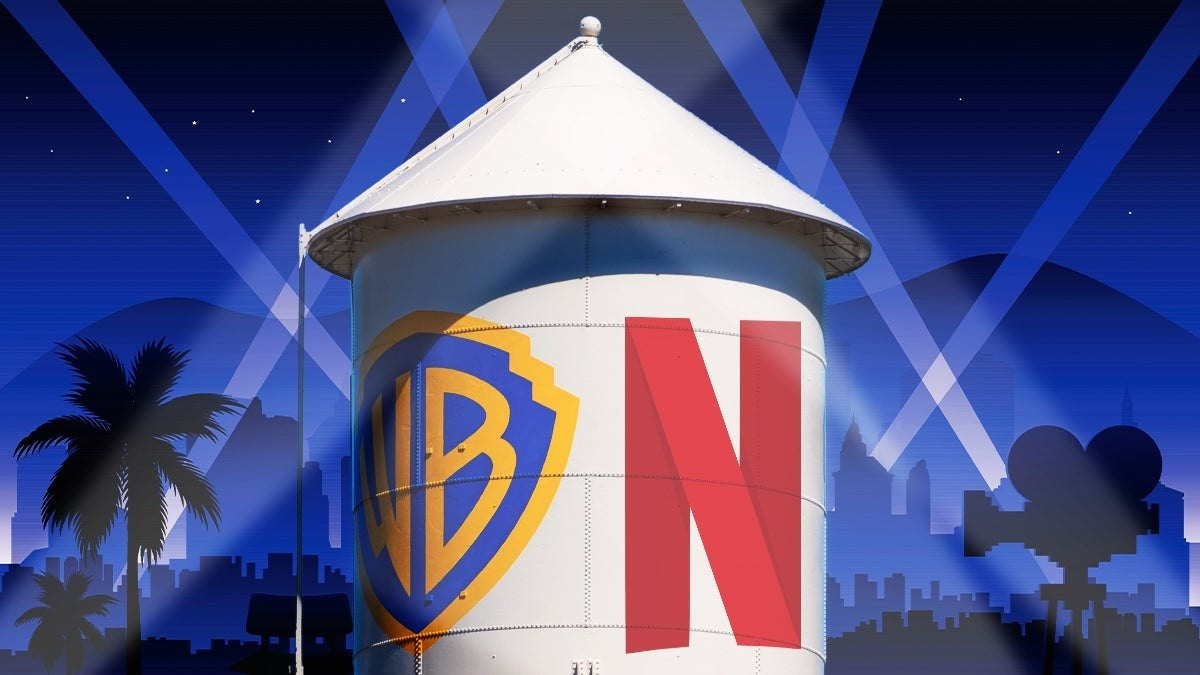
    The landmark agreement between Netflix and Warner Bros sets the stage for a potentially seismic shift in Hollywood’s power structure as Netflix pledges to acquire Warner Bros studios, HBO/HBO Max, and its vast catalogue — a deal estimated at $82.7 billion. Backers argue this merger consolidates a streaming giant capable of delivering sprawling content vaults to 300 million subscribers worldwide, while also promising integration that could streamline production and unlock billions in cost savings. But critics — including major unions and cinema owners — warn the acquisition threatens creative diversity, imperils thousands of jobs, and undermines the theatrical model that’s long defined film culture. The coming months will test whether regulators block the transaction or allow it to remake how Americans consume movies and TV.

    Sources: TechCrunch, Reuters

    Key Takeaways

    – The merger would create a vertically integrated media powerhouse: Netflix gains control over Warner Bros studios, HBO/HBO Max, and iconic franchises — consolidating production, distribution, and streaming under one roof.

    – Industry unions and theater-owners are sounding alarms: concerns include potential job losses, suppressed wages, a shrinking slate of theatrical releases, and reduced creative and content diversity.

    – Netflix projects $2–3 billion in annual savings post-merger and argues the deal supports innovation, greater investment in original content, and continued theatrical releases — though many remain skeptical.

    In-Depth

    As of early December 2025, the entertainment world is abuzz. Netflix has agreed to buy Warner Bros Discovery’s studio and streaming arm in a transaction valued at an enterprise total of $82.7 billion. The deal encompasses Warner Bros studios, HBO/HBO Max, their film and television libraries, and major franchises — effectively putting a massive portion of Hollywood’s creative output under Netflix’s control. If regulators approve, it would mark one of the biggest restructurings in the modern history of film and television.

    From Netflix’s perspective, this is more than a content grab — it’s a strategic consolidation. By combining production, library content, and streaming under a single roof, the company expects to cut costs, streamline operations, and tap into synergies worth $2 to $3 billion annually within a few years. For a streamer that already counts over 300 million paid subscribers globally, owning blockbuster franchises and decades’ worth of film and TV catalogues could cement its dominance in global streaming, gaming tie-ins, and theatrical distribution.

    Yet not everyone welcomes the move. Union leaders representing writers and actors argue the merger could lead to mass layoffs, lower wages, and fewer jobs for creative workers — outcomes contrary to antitrust law’s original purpose. Theater owners and exhibitors warn the deal may hasten the decline of theatrical film, endangering independent cinemas and reducing what they see as the rich tradition of theatrical releases. The core of the criticism: fewer players in the field means less competition, narrower creative output, and potentially higher prices for viewers despite promises of new investments.

    Netflix executives say they intend to preserve theatrical release plans for existing Warner Bros projects and continue creating content under both the Netflix and HBO brands. But fears linger that the “windows” — the delay between theatrical release and streaming — will shrink, potentially squeezing out the middleman of independent theaters and limiting variety for audiences.

    As this drama unfolds, regulators face a tough decision. Approving the merger could accelerate Hollywood’s transformation — but doing so might also mean reserving fewer doors for creators, narrowing public choice, and reshaping entertainment consumption for decades.

    Share. Facebook Twitter Pinterest LinkedIn Tumblr Email
    Previous ArticleHank Green’s “Focus Friend” Earns Top App-Of-Year Honour From Google Play Store
    Next Article Homeowners Downgrade from “Smart Homes” to Analog “Dumb Homes” for Peace and Privacy

    Related Posts

    U.S. Automakers Recalibrate EV Strategy as Federal Subsidies End and Demand Wanes

    February 17, 2026

    Roku Plans Streaming Bundles Push to Boost Profitability in 2026

    February 17, 2026

    Meta Plans Facial Recognition for Smart Glasses Amid Privacy Pushback

    February 17, 2026

    Spotify Developers Haven’t Written Code Since December Thanks to AI Transformation

    February 16, 2026
    Add A Comment
    Leave A Reply Cancel Reply

    Editors Picks

    U.S. Automakers Recalibrate EV Strategy as Federal Subsidies End and Demand Wanes

    February 17, 2026

    Roku Plans Streaming Bundles Push to Boost Profitability in 2026

    February 17, 2026

    Meta Plans Facial Recognition for Smart Glasses Amid Privacy Pushback

    February 17, 2026

    Spotify Developers Haven’t Written Code Since December Thanks to AI Transformation

    February 16, 2026
    Top Reviews
    Tallwire
    Facebook X (Twitter) LinkedIn Threads Instagram RSS
    • Tech
    • Entertainment
    • Business
    • Government
    • Academia
    • Transportation
    • Legal
    • Press Kit
    © 2026 Tallwire. Optimized by ARMOUR Digital Marketing Agency.

    Type above and press Enter to search. Press Esc to cancel.