

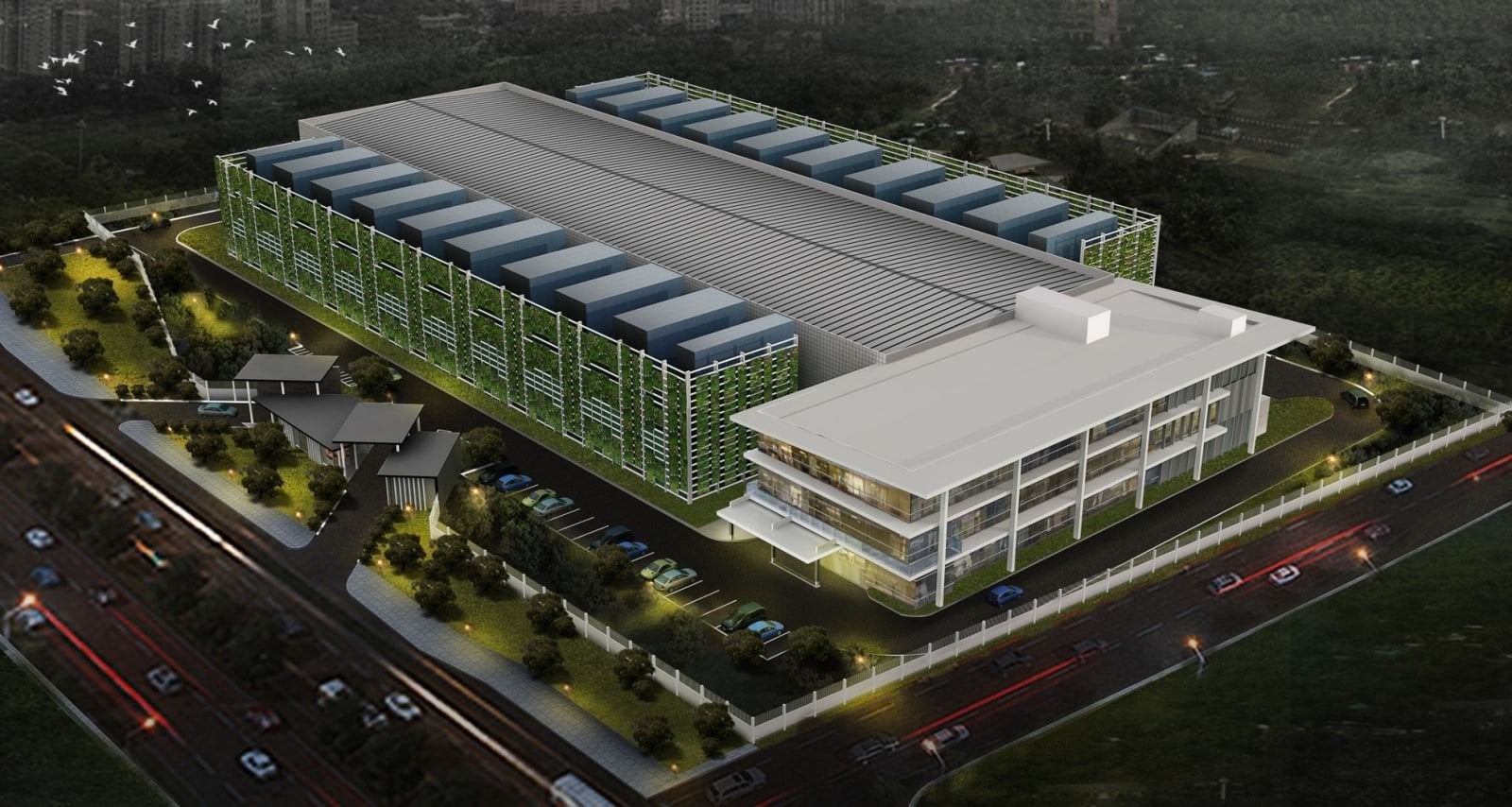
As artificial intelligence fuels an unprecedented boom in data center construction, architects and developers are increasingly attempting to soften public opposition by designing facilities that blend into their surroundings rather than resemble massive industrial warehouses. New concepts include campus-style layouts, enhanced landscaping, public green spaces, artistic facades, and architecture tailored to local environments. While these improvements may help reduce neighborhood resistance, they do not address the broader concerns many communities have over soaring electricity demand, water consumption, land use, and the strain on local infrastructure. The trend reflects an acknowledgment by the technology industry that public acceptance has become as critical to AI expansion as access to power and computing hardware. At the same time, the debate underscores a larger policy question: whether communities should prioritize the economic benefits of AI infrastructure while insisting that technology companies bear greater responsibility for the visual, environmental, and infrastructure impacts their projects create.
Sources
- https://www.wsj.com/real-estate/can-a-prettier-data-center-curb-the-community-backlash-c909a239
- https://www.thetimes.com/business/technology/article/save-countryside-from-ugly-ai-data-centres-pj6hnp2hx
- https://www.linkedin.com/posts/gensler_ai-isnt-changing-whether-data-centers-get-activity-7414939101780631552-B3jl
Key Takeaways
- AI’s explosive growth is forcing technology companies to rethink not only how data centers function but also how they appear to the communities expected to host them.
- Attractive architecture, landscaping, and public amenities may ease some local opposition, but concerns over electricity usage, water consumption, and land development remain the primary obstacles to new projects.
- The rapid expansion of AI infrastructure highlights the need for policymakers to balance economic competitiveness with responsible development, ensuring that technology companies—not taxpayers—shoulder the costs associated with their massive computing investments.
In-Depth
The artificial intelligence revolution is producing a modern-day infrastructure race unlike anything seen since the construction of the interstate highway system. Every major technology company is scrambling to build the computing capacity needed to train and operate increasingly sophisticated AI models, and that means building enormous new data centers across the United States and abroad. Yet while Silicon Valley views these facilities as essential engines of economic growth, many Americans see something entirely different: sprawling industrial complexes that consume tremendous amounts of electricity and water while dramatically altering nearby communities.
Recognizing this growing resistance, architects are attempting to make these facilities more visually appealing by incorporating regional design themes, extensive landscaping, public gathering spaces, and architectural elements more commonly associated with corporate campuses or museums than warehouse-sized server farms. The hope is that a better-looking facility will become a better neighbor.
Whether that strategy succeeds remains an open question. For many residents, appearance is only one part of the equation. Concerns over electrical grid capacity, water usage, environmental impacts, and the pace of AI-driven development are unlikely to disappear simply because a building has more attractive architecture. Conservatives have long argued that economic development should proceed responsibly rather than through government mandates or corporate disregard for local communities. If AI truly represents America’s next great technological leap, its supporting infrastructure should be built in a manner that respects property owners, local governments, and taxpayers alike. Attractive design may help earn public goodwill, but lasting support will ultimately depend on transparency, accountability, and responsible stewardship of the communities these facilities call home.