

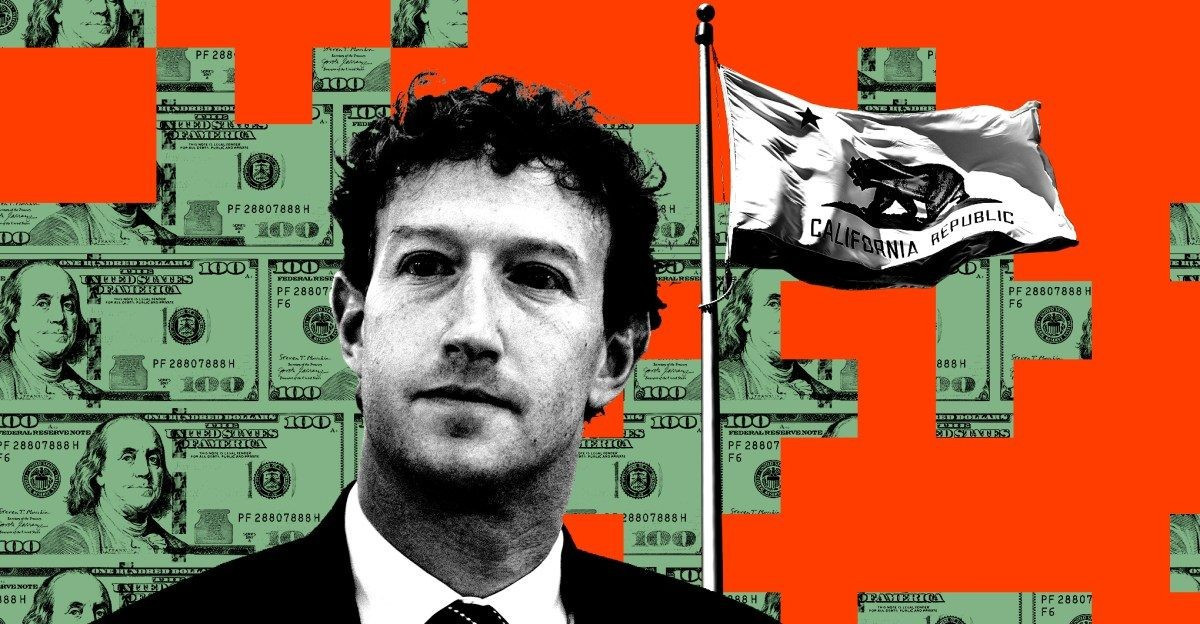
Last week, Meta, under Mark Zuckerberg‘s control, unveiled a California-only super PAC named Mobilizing Economic Transformation Across (Meta) California designed to support state-level political candidates of any party who back lighter regulation on AI and broader tech innovation. The PAC is expected to spend tens of millions of dollars, positioning Meta as a major political spender ahead of the 2026 California gubernatorial race. Meta public policy executives Brian Rice and Greg Maurer will lead the effort. The company frames this move in terms of protecting innovation in California from regulatory burdens, especially with bills like SB 53 under discussion, which aim to impose transparency, safety, and other oversight for large AI models.
Key Takeaways
– Meta is acting proactively to influence California state elections because the regulatory environment in Sacramento could significantly affect its AI business operations.
– The super PAC is structured to support candidates from both major political parties, as long as they align with Meta’s vision of pro-innovation, lighter regulatory oversight of AI.
– Meta’s entrance into this political space underscores heightened competition among tech companies and advocates over AI policy — with some supporting stricter limits or safety rules, and others, like Meta, pushing back against what they view as overregulation.
In-Depth
Meta’s entry into California politics via its new super PAC, Mobilizing Economic Transformation Across (Meta) California, is a clear signal that major tech firms are increasing their stakes in how AI is regulated at the state level. What distinguishes this PAC is its origin: it is wholly backed by Meta, controlled by its leadership, and aimed at influencing state elections rather than mere lobbying. With Meta’s public policy VPs Brian Rice and Greg Maurer at the helm, the company is committing significant financial weight — “tens of millions of dollars” — in support of candidates who promise lighter regulation of AI.
The timing is important: California is in the midst of drafting or debating regulatory bills that could impose substantial oversight on AI systems, such as SB 53, which would demand transparency, safety measures, and accountability for developers of large AI models. Meta frames these regulations as risks to innovation and competitiveness, suggesting that burdensome rules might stifle AI’s progress and threaten the state’s role as a global leader in technology.
From a broader standpoint, Meta’s move reflects a growing pattern in which tech companies — once reluctant to enlist directly in electoral politics — are now embracing political spending and structured influence strategies. Uber and Airbnb have pursued similar approaches to shape state policy in their respective sectors. Meanwhile, opposing actors are organizing in parallel: AI safety coalitions are forming their own PACs to push for stricter rules.
What’s at stake is not just regulatory policy, but who sets the agenda. As the 2026 gubernatorial election in California looms, Meta’s super PAC could become a potent force shaping debate around AI oversight, transparency, consumer protection, and innovation policy. The company’s commitment to spend heavily and engage across party lines suggests it sees this as a long-game effort to safeguard favorable conditions for its AI ambitions. Observers will be watching how much influence this tactic yields, how the opposition mobilizes, and whether voters in California see super PAC involvement as an overreach or as a normal part of tech’s evolving political footprint.