

Close Menu

    Subscribe to Updates

    Get the latest creative news from FooBar about art, design and business.

    What's Hot

    Spotify Developers Haven’t Written Code Since December Thanks to AI Transformation

    February 16, 2026

    DHS Issues Hundreds Of Subpoenas To Unmask Anonymous ‘Anti-ICE’ Social Media Accounts

    February 16, 2026

    UK Kids Turning to AI Chatbots and Acting on Advice at Alarming Rates

    February 16, 2026
    Facebook X (Twitter) Instagram
    • Tech
    • AI News
    • Get In Touch
    Facebook X (Twitter) LinkedIn
    TallwireTallwire
    • Tech

      Spotify Developers Haven’t Written Code Since December Thanks to AI Transformation

      February 16, 2026

      Waymo Goes Fully Autonomous in Nashville, Tennessee

      February 16, 2026

      Roku Plans Streaming Bundles Push to Boost Profitability in 2026

      February 15, 2026

      Russia Officially Blocks WhatsApp After Telegram Crackdown

      February 15, 2026

      Amazon’s Eero Signal Introduces Cellular Backup for Home Internet Outages

      February 15, 2026
    • AI News

      Spotify Developers Haven’t Written Code Since December Thanks to AI Transformation

      February 16, 2026

      Australia Puts Roblox on Notice Amid Reports of Child Grooming and Harmful Content

      February 16, 2026

      UK Kids Turning to AI Chatbots and Acting on Advice at Alarming Rates

      February 16, 2026

      US Lawmakers Urge Tighter Export Controls to Curb China’s Access to Chipmaking Equipment

      February 16, 2026

      Waymo Goes Fully Autonomous in Nashville, Tennessee

      February 16, 2026
    • Security

      US Lawmakers Urge Tighter Export Controls to Curb China’s Access to Chipmaking Equipment

      February 16, 2026

      Senator Raises Questions On eSafety Crackdown And Potential Strain On US-Australia Relationship

      February 16, 2026

      AI Safety Researcher Resigns, Warns ‘World Is in Peril’ Amid Broader Industry Concerns

      February 15, 2026

      Microsoft Warns Hackers Are Exploiting Critical Zero-Day Bugs Targeting Windows, Office Users

      February 15, 2026

      Microsoft Exchange Online’s Aggressive Filters Mistake Legitimate Emails for Phishing

      February 13, 2026
    • Health

      UK Kids Turning to AI Chatbots and Acting on Advice at Alarming Rates

      February 16, 2026

      Landmark California Trial Sees YouTube Defend Itself, Rejects ‘Social Media’ and Addiction Claims

      February 16, 2026

      Instagram Top Executive Says ‘Addiction’ Doesn’t Exist in Landmark Social Media Trial

      February 15, 2026

      Amazon Pharmacy Rolls Out Same-Day Prescription Delivery To 4,500 U.S. Cities

      February 14, 2026

      AI Advances Aim to Bridge Labor Gaps in Rare Disease Treatment

      February 12, 2026
    • Science

      XAI Publicly Unveils Elon Musk’s Interplanetary AI Vision In Rare All-Hands Release

      February 14, 2026

      Elon Musk Shifts SpaceX Priority From Mars Colonization to Building a Moon City

      February 14, 2026

      NASA Artemis II Spacesuit Mobility Concerns Ahead Of Historic Mission

      February 13, 2026

      AI Agents Build Their Own MMO Playground After Moltbook Ignites Agent-Only Web Communities

      February 12, 2026

      AI Advances Aim to Bridge Labor Gaps in Rare Disease Treatment

      February 12, 2026
    • People

      Google Co-Founder’s Epstein Contacts Reignite Scrutiny of Elite Tech Circles

      February 7, 2026

      Bill Gates Denies “Absolutely Absurd” Claims in Newly Released Epstein Files

      February 6, 2026

      Informant Claims Epstein Employed Personal Hacker With Zero-Day Skills

      February 5, 2026

      Starlink Becomes Critical Internet Lifeline Amid Iran Protest Crackdown

      January 25, 2026

      Musk Pledges to Open-Source X’s Recommendation Algorithm, Promising Transparency

      January 21, 2026
    TallwireTallwire
    Home»Tech»Meta Hints Neural Band May One Day Become a Smartwatch
    Tech

    Meta Hints Neural Band May One Day Become a Smartwatch

    Updated:December 25, 20254 Mins Read
    Facebook Twitter Pinterest LinkedIn Tumblr Email
    Meta Hints Neural Band May One Day Become a Smartwatch
    Meta Hints Neural Band May One Day Become a Smartwatch
    Share
    Facebook Twitter LinkedIn Pinterest Email

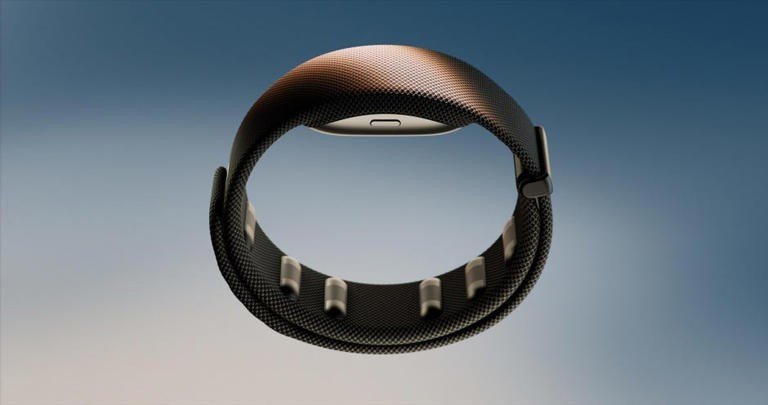
    Meta’s CTO Andrew “Boz” Bosworth recently suggested in an interview that the company’s wrist-worn Neural Band—designed now to control its Ray-Ban Display glasses via subtle muscle gestures—could evolve down the road into a standalone wearable like a watch. Bosworth made the comment in response to questions about future iterations of the neural interface, implying that the same electromyography (EMG) technology could migrate from glasses control to more broadly wearable devices. His remarks build on Meta’s current strategy of integrating AI, AR, and novel input methods into wearable form factors. In parallel, Meta has just unveiled its new Ray-Ban Display glasses, which pair a monocular in-lens display with the Neural Band to let users view messages, captions, navigation, and more. The glasses and band will retail for $799, launching September 30 in select U.S. stores. Early hands-on reviews indicate that while the Neural Band gesture control works impressively well, the glasses themselves suffer from lag, visual discomfort from the one-eye display, and a bulky frame design. Critics see this first generation as a stepping stone rather than a final product.

    Sources: Facebook, Upload VR

    Key Takeaways

    – The Neural Band’s EMG gesture system is strong enough in Meta’s vision to serve as the foundation for future wearables like watches, not just glasses control.

    – Meta’s new Ray-Ban Display glasses demonstrate the first full implementation of this gesture control, but the device still shows early-generation limitations in display, responsiveness, and ergonomics.

    – Evolving the Neural Band into a standalone wearable would require surmounting challenges in miniaturization, battery life, usability, and compelling differentiating functions beyond what existing smartwatches offer.

    In-Depth

    Meta is clearly angling to make the Neural Band more than just a niche accessory for smartglasses. As currently launched, the Neural Band (an EMG wristband) reads electrical signals from tiny muscle movements in the wearer’s wrist and translates them into gestures like pinch, scroll, or twist. These gestures control a HUD display embedded in the right lens of the Ray-Ban Display glasses, enabling users to navigate AI responses, messages, maps, captions, and more. Meta’s own description highlights how the display is “there when you want it, gone when you don’t,” and positions the Neural Band as a way to “replace the touchscreens, buttons, and dials” for this wearable context.

    Bosworth’s more recent suggestion that this interface might someday evolve into a watch is both ambitious and logical from Meta’s roadmap: if the EMG interface is reliable enough to control a display, then why not build a future wearable where the display and gesture interface are wholly integrated? That said, making that leap is nontrivial. A watch form factor demands constraints on power, size, heat, durability, and user expectations. The Neural Band alone currently offers about 18 hours of battery life and is rated water resistant by IPX7 — which is solid, but in line with many wearables, not transformative.

    Meanwhile, first reviews already point out where the current product falls short. UploadVR’s hands-on review praises the band’s gesture accuracy (it “picked up every gesture, every time”) but criticizes the glasses for sluggish UI performance, lag, and a monocular display that causes eye strain and discomfort over longer use. The glasses themselves weigh more than typical frames and have bulkier rims to house the hardware. In short: the vision is compelling, but the hardware is pushing the limits today.

    If Meta is to transition the Neural Band toward a smartwatch role, it must solve or mitigate several challenges. First, miniaturizing the required electronics and maintaining battery life will be critical. A watch must often operate for multiple days, or at least match the endurance of existing smartwatch competitors. Second, what is the unique value that would justify the transition? Smartwatches already offer health monitoring, notifications, apps, and sensors. Meta’s version would need to offer something beyond what those devices already do — perhaps deeper AI integration, more seamless gesture control, or tighter integration with AR ecosystems. Third, making the user experience feel natural is harder than it appears: gesture recognition must be both accurate and low friction, and it must co-exist with more traditional inputs like taps, touch, voice, or even future modalities such as eye tracking or neural sensing.

    Bosworth and Meta seem to have their eyes on that transition, positioning the Neural Band as a flexible interface rather than a one-off accessory. The Ray-Ban Display launch gives them a real product to iterate from, and the next generations will likely pursue lighter, faster, more comfortable, and more capable versions of both the glasses and the band. If Meta can deliver a compelling cross-device ecosystem where your wrist can both control AR glasses and act as a standalone hub, it could open a new frontier in wearable computing — one that builds on earlier mistakes in AR glasses adoption but sets a new course for human-machine interaction.

    Share. Facebook Twitter Pinterest LinkedIn Tumblr Email
    Previous ArticleMeta Freezes AI Hiring, Restructures Superintelligence Lab Amid Cost Concerns
    Next Article Meta Launches Super PAC in California to Shift the Balance in AI Regulation Debates

    Related Posts

    Spotify Developers Haven’t Written Code Since December Thanks to AI Transformation

    February 16, 2026

    Waymo Goes Fully Autonomous in Nashville, Tennessee

    February 16, 2026

    Roku Plans Streaming Bundles Push to Boost Profitability in 2026

    February 15, 2026

    Russia Officially Blocks WhatsApp After Telegram Crackdown

    February 15, 2026
    Add A Comment
    Leave A Reply Cancel Reply

    Editors Picks

    Spotify Developers Haven’t Written Code Since December Thanks to AI Transformation

    February 16, 2026

    Waymo Goes Fully Autonomous in Nashville, Tennessee

    February 16, 2026

    Roku Plans Streaming Bundles Push to Boost Profitability in 2026

    February 15, 2026

    Russia Officially Blocks WhatsApp After Telegram Crackdown

    February 15, 2026
    Top Reviews
    Tallwire
    Facebook X (Twitter) LinkedIn Threads Instagram RSS
    • Tech
    • Entertainment
    • Business
    • Government
    • Academia
    • Transportation
    • Legal
    • Press Kit
    © 2026 Tallwire. Optimized by ARMOUR Digital Marketing Agency.

    Type above and press Enter to search. Press Esc to cancel.