

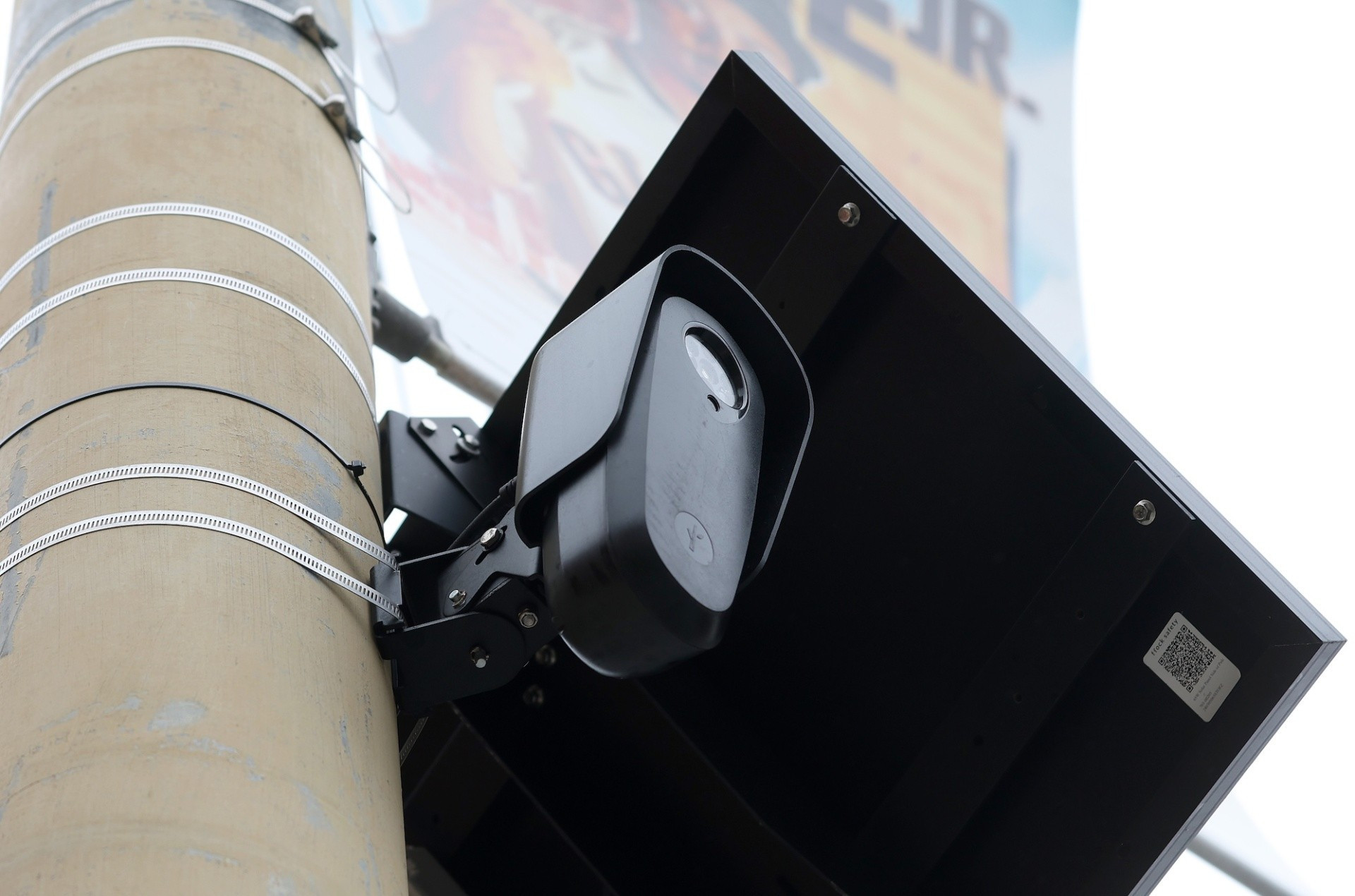
The Dallas Police Department plans to retain data collected by its automated Flock Safety license plate readers for one year, dramatically longer than the company’s newly recommended seven-day default and the department’s previous 30-day policy. Police officials argue that the longer window is necessary for complex investigations, serial crimes, and cases in which a vehicle does not become significant until months after an offense. Dallas operates more than 650 Flock cameras and committed roughly $5.7 million to a three-year contract in 2025. The decision comes amid growing nationwide scrutiny of automated license plate readers, including concerns about warrantless surveillance, interagency data sharing, unauthorized searches, and the accumulation of location information involving citizens who are not suspected of crimes.
Key Takeaways
- Dallas police intend to retain Flock license plate data for 365 days, despite Flock Safety reducing its recommended default retention period from 30 days to seven days after determining that more than 90 percent of searches without a complete plate occur within a week.
- Police officials contend that a one-year archive is necessary because investigations can develop slowly, serial offenses can emerge over time, and detectives may not identify a vehicle as relevant until months after the original crime.
- Dallas’ expanding use of more than 650 cameras intensifies the broader debate between legitimate law-enforcement needs and constitutional privacy concerns, particularly when location information involving ordinary citizens can be retained and searched long after it was collected.
In-Depth
Dallas police are moving opposite Flock Safety’s newly announced privacy standard, choosing to retain automated license plate reader data for one year rather than adopt the company’s seven-day default. The department argues that longer retention gives investigators time to connect vehicles to crimes that may not be solved—or linked to a suspect—within days or weeks.
The policy represents a substantial expansion from Dallas’ earlier 30-day retention rule. The city has also made a significant financial commitment to the technology, approving a three-year contract worth roughly $5.7 million in 2025. Dallas now operates more than 650 Flock cameras, creating a network capable of recording vehicle movements across the city.
Police maintain that the cameras are valuable investigative tools for locating stolen vehicles, developing leads and solving serious crimes. Yet preserving records for 365 days raises legitimate questions about how much information government should retain on citizens who are not suspected of wrongdoing. Flock recently concluded that more than 90 percent of searches conducted without a complete license plate occur within seven days, prompting its shorter default and a separate Evidence Mode for preserving information connected to active investigations.
That distinction matters. Preserving evidence tied to a specific case is fundamentally different from retaining a year of location records generated by ordinary motorists. Effective policing requires modern tools, but public safety should not become a blanket justification for expansive surveillance. Dallas officials should demonstrate why a full year is necessary and establish strict auditing, access controls and data-sharing safeguards for Dallas residents.
Sources
- https://www.texastribune.org/2026/08/24/flock-cameras-face-growing-backlash-across-texas-counties-but-getting-rid-of-them-is-complicated/
- https://www.audacy.com/krld/news/local/dallas-to-keep-flock-camera-data-for-a-year-as-company-shortens-default-to-7-days
- https://cityofdallas.legistar.com/LegislationDetail.aspx?FullText=1&GUID=FDDAEA7D-A941-4B35-8A9D-318FF351CAE4&ID=7404358
- https://www.flocksafety.com/blog/flock-guardrails-address-lpr-privacy-concerns-and-police-transparency