

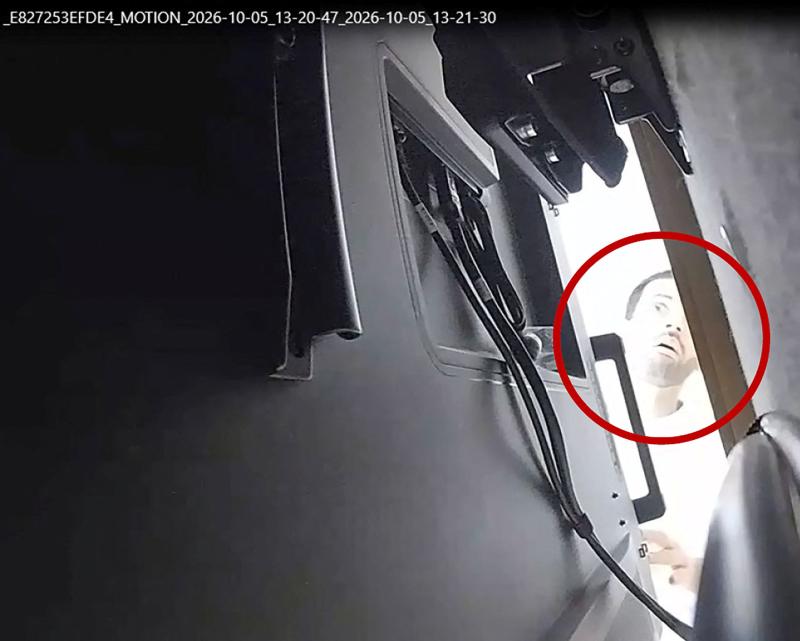
Federal prosecutors allege that a former OpenAI engineer accused of secretly installing a recording device inside a restricted executive conference room received substantial assistance from Saudi Arabian officials. Abdulrahman Alfozan, 35, a Saudi national arrested October 9, reportedly maintained communications with a member of the Saudi royal family while exploring employment opportunities in the kingdom. Following his arrest, a Saudi military official allegedly financed international travel for his wife and young son. Prosecutors contend that these connections, combined with evidence suggesting Alfozan intended to relocate permanently to Saudi Arabia, make him a serious flight risk. A federal judge has ordered him detained pending trial, intensifying concerns about foreign influence, corporate espionage, and the protection of America’s strategically important artificial intelligence industry.
Key Takeaways
• Saudi Government Connections: Prosecutors allege Alfozan communicated frequently with a Saudi royal family member, while Saudi officials arranged travel for his family following his arrest.
• Sensitive Technology Targeted: Alfozan allegedly concealed a sophisticated recording device inside an OpenAI executive conference room used for confidential discussions, including meetings involving government officials.
• National Security Implications: Federal authorities warn that foreign government assistance and Alfozan’s international connections present substantial flight risks and raise broader concerns about protecting American AI technology.
In-Depth
A federal investigation into suspected corporate surveillance at OpenAI has taken a troubling international turn, with prosecutors presenting evidence suggesting that Saudi Arabian officials assisted an engineer accused of secretly recording confidential executive discussions.
Abdulrahman Alfozan, a 35-year-old Saudi national employed by OpenAI since July 2025, was arrested October 9 after investigators discovered an unauthorized recording device concealed behind a television in a restricted conference room. The room reportedly hosted sensitive corporate discussions and meetings involving government representatives.
Federal prosecutors allege Alfozan maintained frequent communications with an unidentified Saudi royal family member who encouraged him to pursue opportunities supporting the kingdom’s expanding artificial intelligence ambitions. Investigators also identified travel arrangements involving Saudi officials following his arrest.
Court documents indicate that Alfozan’s wife and young son departed the United States shortly afterward, traveling to Qatar on tickets purchased by a Saudi military official. Prosecutors cited those arrangements as evidence of potential foreign government assistance.
Alfozan’s defense disputes the suggestion that his family travel demonstrates criminal intent, arguing that the arrangements involved legitimate personal circumstances and established family connections.
A federal judge nevertheless denied bail, citing concerns that Alfozan could evade American prosecution with assistance from abroad.
The allegations expose a critical vulnerability in America’s technological leadership: sophisticated security systems cannot eliminate threats originating inside trusted corporate environments. As foreign governments aggressively pursue artificial intelligence capabilities, protecting proprietary research and sensitive communications increasingly becomes a national security obligation.
Although Alfozan has not been convicted or charged with espionage, the investigation underscores the importance of rigorous internal safeguards, counterintelligence cooperation, and accountability wherever American technological advantages could be compromised.
Sources
• https://apnews.com/article/9fc401a1be248c2b966814040d13c0f6