

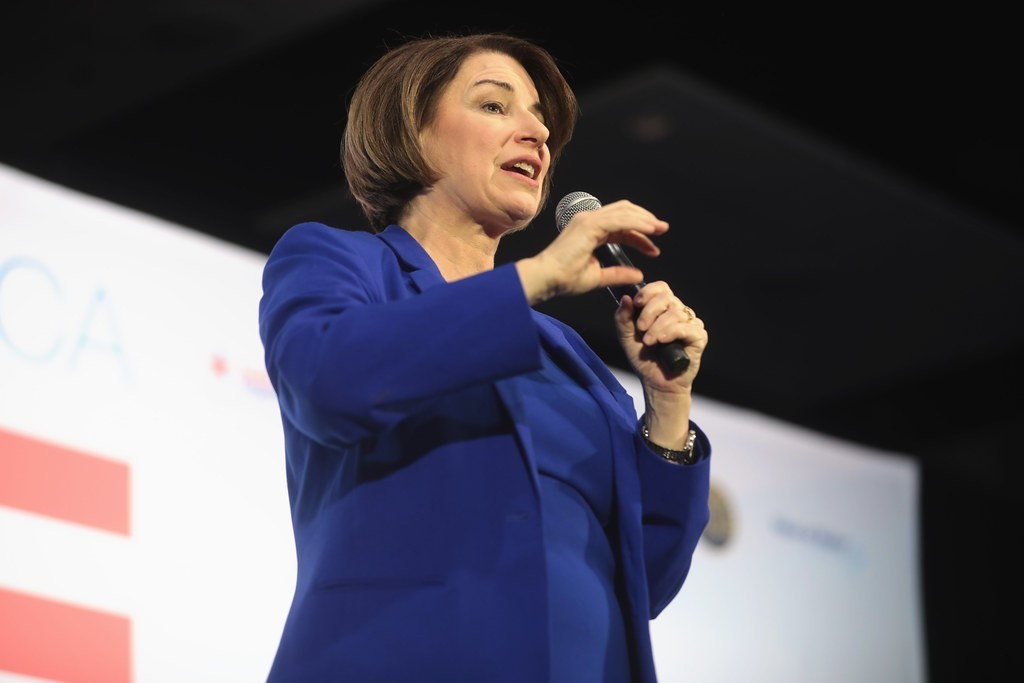
Senator Amy Klobuchar has spotlighted the growing challenge of AI-generated “deepfakes,” calling out how ordinary folks feel helpless when tech platforms drag their feet on removing harmful content—like the one misusing her likeness to spout vulgarities about a Sydney Sweeney ad—and urging Congress to finally act, not cozy up to Big Tech. Already, bipartisan momentum has translated into real legislation: the TAKE IT DOWN Act, co-authored with Senator Ted Cruz, passed both chambers overwhelmingly and was signed into law on May 19, 2025; it criminalizes the non-consensual distribution of intimate imagery—including AI deepfakes—and forces platforms to remove such content within 48 hours . Supporters herald it as a landmark win for victims’ rights and accountability, while critics—including the Electronic Frontier Foundation and Cyber Civil Rights Initiative—warn it may be too sweeping, potentially chilling free speech or lagging nuance in enforcement.
Sources: Amy Klobuchar Senate site, AP News, The Verge
Key Takeaways
– Klobuchar’s call in The Verge centers on the need for stronger consumer protections and less deference to tech companies that profit from image misuse.
– The bipartisan TAKE IT DOWN Act—championed by Republicans and Democrats—became law in May 2025, requiring 48-hour removal of non-consensual intimate and AI-generated content and criminalizing its distribution.
– While hailed as vital progress for victim protection, civil liberties advocates caution the law’s broad language could unintentionally censor legitimate expression or overburden platforms with takedown demands.
In-Depth
Senator Amy Klobuchar didn’t just sit around waiting for Big Tech to figure things out. When an AI deepfake of her went viral, falsely spewing vulgarities about a Sydney Sweeney ad, she openly called out the problem: ordinary citizens are losing control over their own likeness, while tech platforms—chasing profit—draw out takedowns and ignore legal or ethical responsibility. Her message? Enough is enough. Time for Congress to step in.
That sense of resolve helped power real, bipartisan change. The TAKE IT DOWN Act, co-authored by Klobuchar and Senator Ted Cruz, sailed through Congress and was signed into law on May 19, 2025. It criminalizes the non-consensual publication of intimate imagery—including AI-generated deepfakes—and forces online platforms to act fast, removing harmful material within 48 hours of a victim’s request. That includes actively preventing recirculation of the same content. In plain terms: victims gain power; platforms lose the luxury to delay or ignore.
Of course, the clean sweep may raise eyebrows. Advocacy groups like the Electronic Frontier Foundation warn that broad definitions could sweep up legal or artistic expression, and that tight takedown deadlines may push platforms—especially smaller ones—to over-censor out of caution. There’s an ongoing debate about balancing victims’ rights with constitutional freedoms. Still, at its core, this law marks a clear principle: private parts of people—their faces, voices, reputations—are not fair game in the name of AI novelty. That’s a conservative value worth defending.