

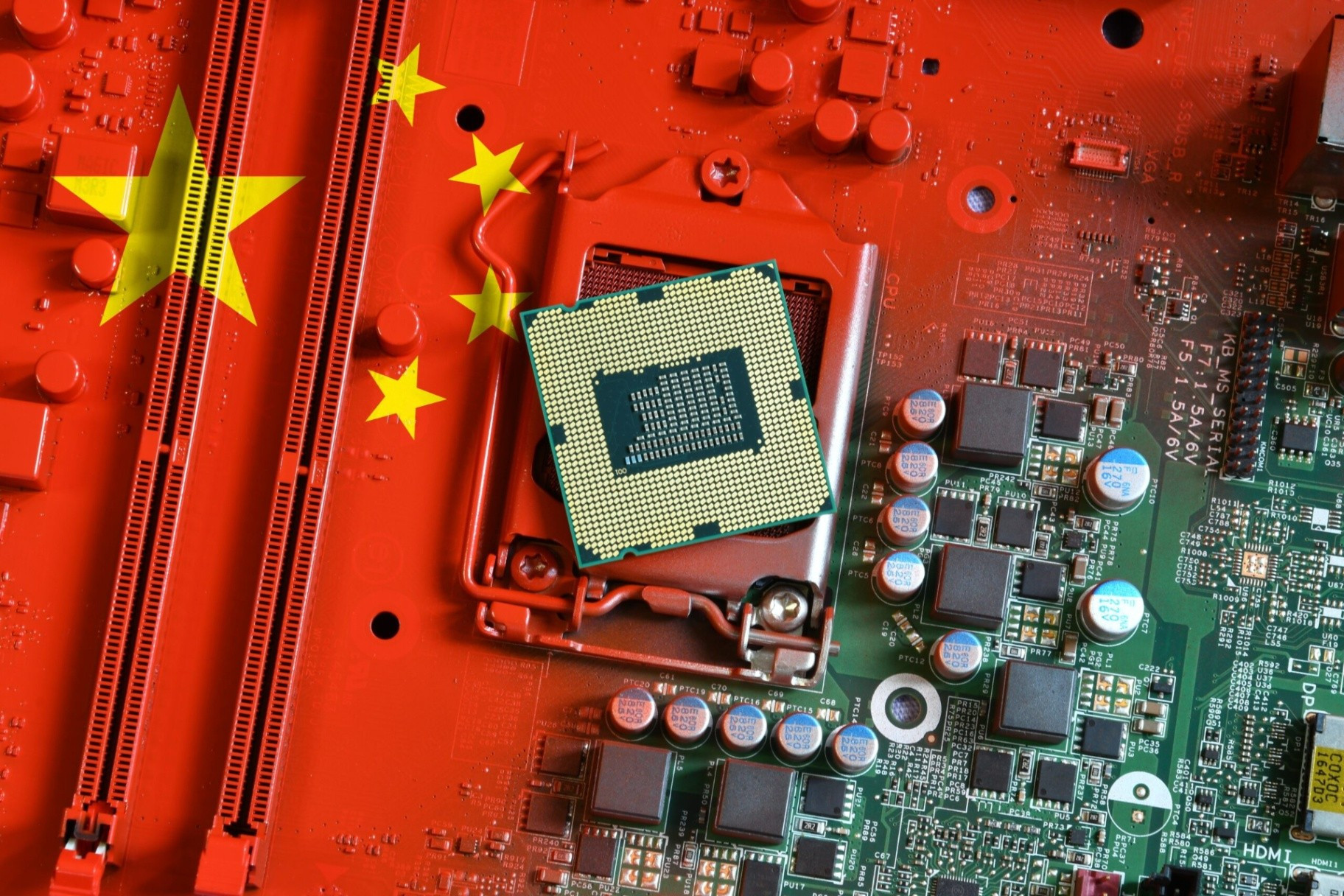
Taiwan Charges Nine in AI Server Smuggling Scheme Linked to China
Taiwanese prosecutors have charged nine individuals, including current and former employees associated with Nvidia and Super Micro Computer, for allegedly participating in a scheme to illegally divert advanced AI servers equipped with high-end Nvidia processors to mainland China in violation of U.S. export controls. Prosecutors allege the defendants falsified documentation to secure approval for 130 AI servers by claiming the equipment would remain in Taiwan, when authorities say dozens were instead routed through third countries before reaching China. The case underscores the growing geopolitical importance of AI hardware and demonstrates that Taiwan is taking a more aggressive role in enforcing export restrictions intended to prevent America’s most advanced computing technology from reaching strategic competitors.
Key Takeaways
- Taiwan alleges the defendants used forged documentation and deceptive end-user claims to obtain 130 advanced AI servers containing restricted Nvidia chips before diverting many of them to mainland China.
- Prosecutors say 74 servers successfully reached China through transshipment routes that included Hong Kong, Indonesia, and Japan, while another 56 servers were intercepted before export.
- The prosecution signals increasingly rigorous enforcement of U.S.-aligned export controls as Taiwan seeks to protect advanced semiconductor technology from unauthorized transfer to China.
In-Depth
The criminal case represents one of the most significant export-control enforcement actions involving artificial intelligence infrastructure since the United States began restricting China’s access to advanced AI processors. According to Taiwanese prosecutors, the alleged conspiracy relied on false representations that sophisticated AI servers would remain inside Taiwan and comply with export regulations, while the hardware was instead diverted through intermediary countries before ultimately reaching mainland China.
From a national security perspective, the allegations highlight why export controls have become a central element of the technological competition between Washington and Beijing. High-end AI servers are not ordinary computing equipment. They provide the computing power necessary to train advanced artificial intelligence models that can support commercial innovation, scientific research, intelligence analysis, and military applications. Preventing unauthorized transfers has therefore become a strategic priority for both the United States and Taiwan.
The investigation also illustrates the growing sophistication of alleged sanctions-evasion tactics. Prosecutors contend the defendants exploited intermediary jurisdictions and falsified end-user documentation to conceal the servers’ true destination. If those allegations are ultimately proven in court, they demonstrate that export-control enforcement must extend beyond manufacturers and include rigorous verification of supply chains, distributors, and end users. Companies involved have stated they are cooperating with investigators, while prosecutors argue the defendants knowingly acted for financial gain despite the strategic importance of the restricted technology. The case is likely to reinforce calls for tighter compliance programs and greater scrutiny of AI hardware exports throughout the semiconductor supply chain.