

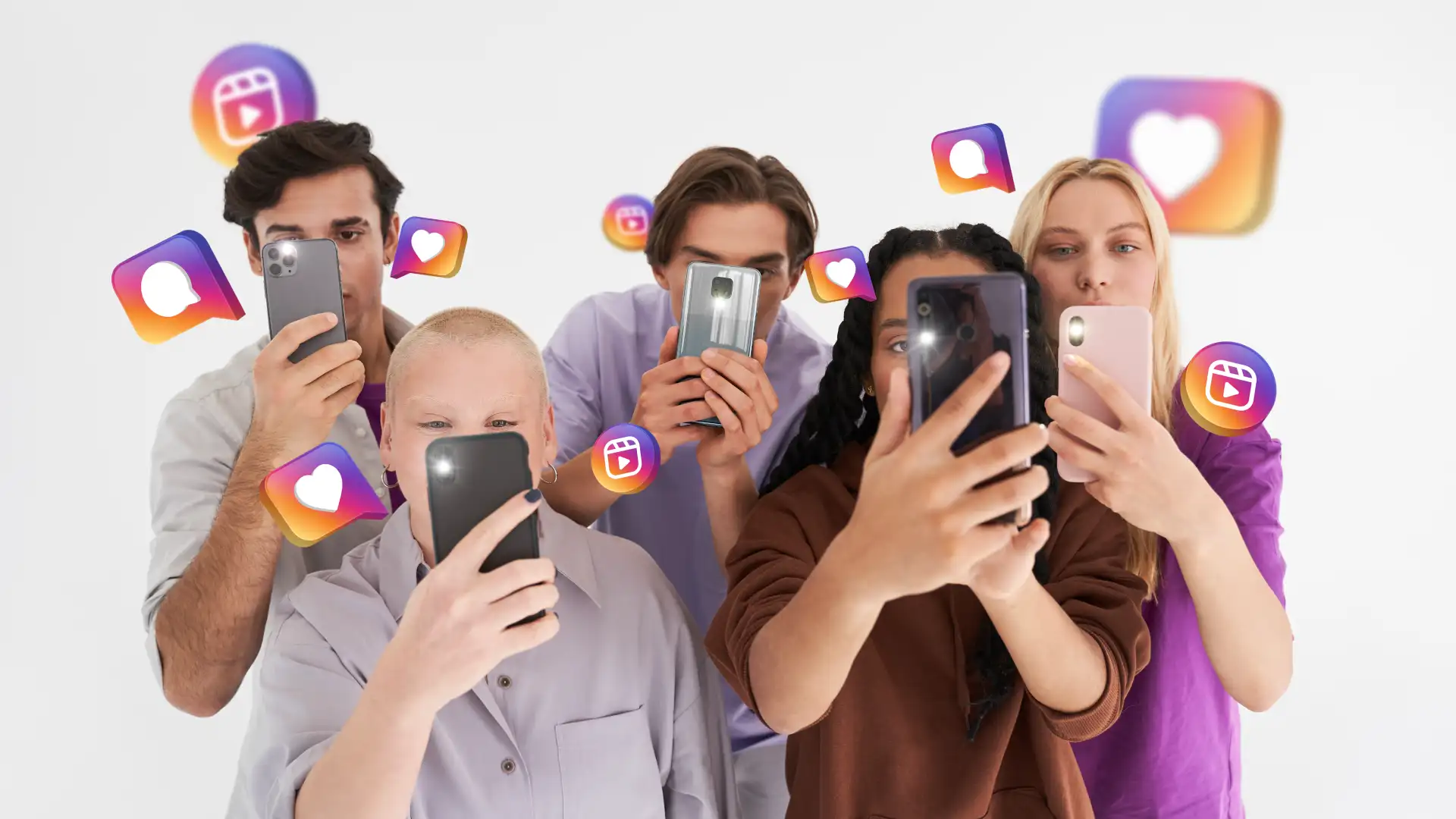
There was a time when influence was something a person earned. You built a company, wrote a book, won elections, raised a family, mastered a trade, discovered something, invented something, served your country, or accumulated enough wisdom that other people decided you were worth listening to. Influence was generally the consequence of accomplishment.
Social media managed to reverse the equation. Today, influence can itself be the occupation.
Welcome to the age of the “influencer,” perhaps the only profession whose job title is essentially a declaration of what everyone else is supposed to do.
Influencers are not merely celebrities adapted to a new medium. Celebrity traditionally required some underlying reason for the celebrity. Frank Sinatra sang. John Wayne acted. Michael Jordan played basketball. Julia Child could cook. Even the famous-for-being-famous crowd generally needed television producers, publicists, or inherited wealth to sustain the illusion.
The influencer needs a smartphone, an algorithm, and apparently an inexhaustible willingness to photograph lunch.
The resulting culture is difficult to ignore because ignoring it is precisely what the modern internet is designed to prevent. Open practically any social platform and someone is staring intensely into a camera to explain the five things you have been doing wrong your entire life. Your morning routine is wrong. Your diet is wrong. Your clothes are wrong. Your vacation is wrong. Your coffee is wrong. Your financial strategy is wrong. Your marriage may be wrong.
Fortunately, a 24-year-old with a ring light has arrived to straighten you out.
There is something uniquely obnoxious about an economy built around relentless self-promotion. Previous generations recognized vanity as a character flaw. Modern social media has developed a business model for it.
The influencer must constantly transform ordinary life into performance. Breakfast is “content.” A trip to the grocery store becomes a “haul.” Opening a cardboard box becomes an “unboxing.” Cleaning the kitchen becomes a “reset.” Taking a vacation becomes a multipart travel series. Getting dressed becomes a tutorial.
Even opinions have become content inventory.
And because attention is the currency of this strange economy, moderation is economically irrational. The influencer who quietly says, “This product seems pretty good” is competing against someone screaming that the same product “CHANGED MY LIFE.”
Everything must therefore be amazing, devastating, toxic, iconic, problematic, life-changing, unbelievable, or something “you NEED to know.”
No, we probably don’t.
Yet the deeper problem with influencer culture isn’t merely that it is irritating. It is what it teaches society about success.
America traditionally celebrated achievement. That did not always mean wealth or fame. A mechanic who could rebuild an engine possessed something real. So did the carpenter who could frame a house, the farmer who could bring in a crop, the nurse who could care for a difficult patient, and the small-business owner who spent thirty years building something worth handing to his children.
These people produced value whether anyone was watching them or not.
Influencer culture increasingly reverses that relationship. Visibility itself becomes the accomplishment. The performance of living becomes more important than living well.
That distinction matters, particularly for young people growing up inside this environment. When children once imagined becoming doctors, athletes, astronauts, musicians, business owners, or firefighters, they were imagining themselves doing something. When “influencer” becomes the aspiration, the dream can instead become having people watch you do things.
There is also something fundamentally exhausting about the narcissistic machinery required to sustain it. Every restaurant requires photographs. Every hotel room demands a video tour. Every personal milestone becomes material for strangers. Even supposedly spontaneous moments can feel suspiciously well-lit.
Human existence becomes one endless advertising campaign in which the product is oneself.
Of course, not everyone with an online following deserves ridicule. The internet has allowed knowledgeable people to bypass traditional gatekeepers and reach enormous audiences. Craftsmen teach their trades. Historians explain forgotten events. Physicians discuss medicine. Financial professionals teach basic economics. Farmers demonstrate agriculture. Teachers offer lessons. Comedians make people laugh.
Those people are usually interesting because they have something to communicate.
The most obnoxious strain of influencer culture operates in the opposite direction: the communication exists primarily because someone desperately needs to remain interesting.
That is the distinction worth preserving.
Technology has democratized publishing, and that is largely a good thing. Americans no longer need permission from a television network, newspaper editor, record label, or publishing house to reach an audience. But democratizing communication inevitably democratized vanity along with it.
We have consequently created millions of tiny television networks, each broadcasting the same program 24 hours a day: Me.
Perhaps the appropriate cultural response isn’t censorship, regulation, or another government commission attempting to rescue civilization. It is something much simpler and considerably more conservative: rediscovering our ability not to care.
Don’t click.
Don’t follow.
Don’t confuse popularity with authority, visibility with accomplishment, or followers with wisdom.
And perhaps occasionally eat dinner without photographing it.
Civilization will survive.