

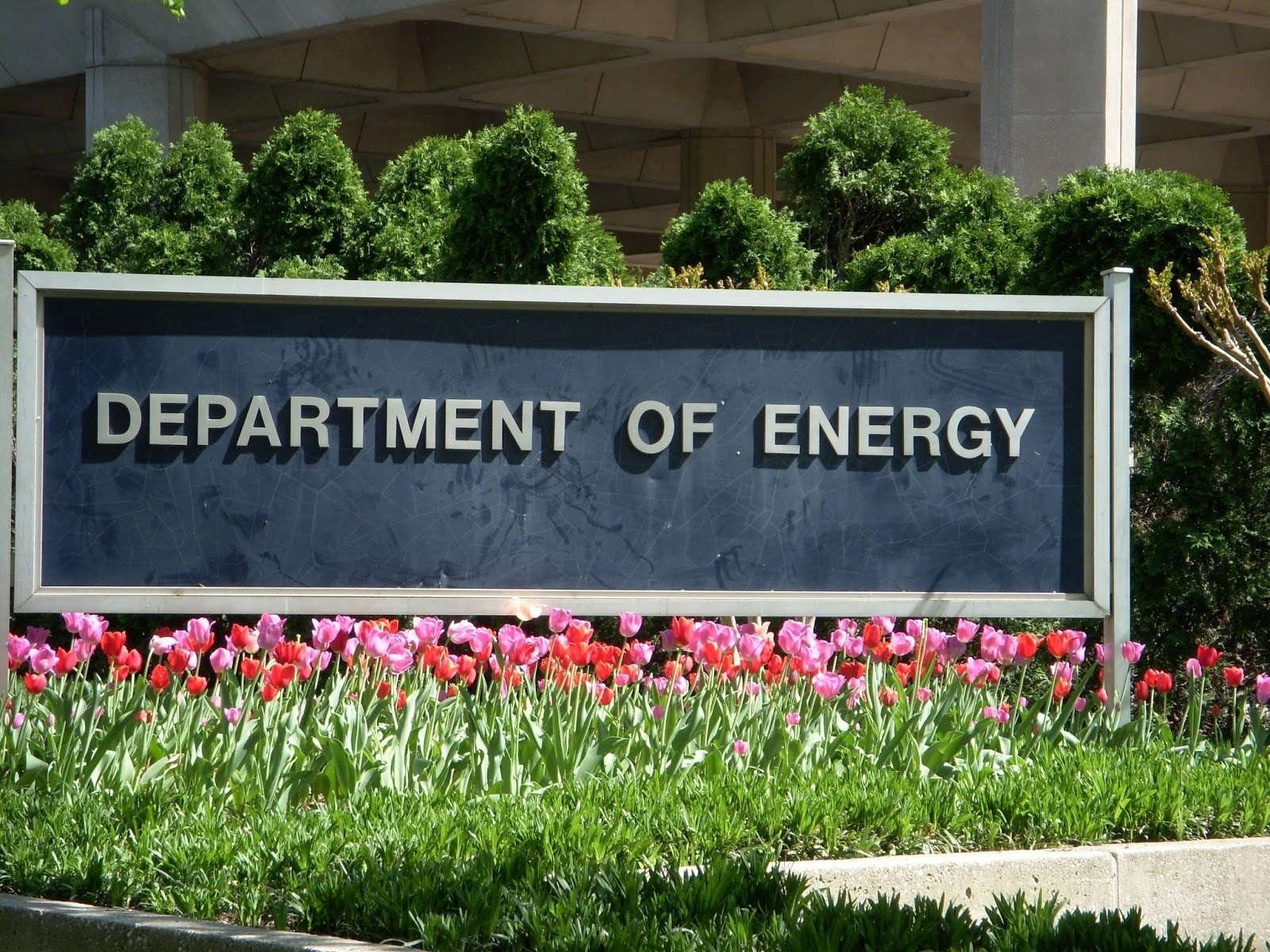
In a sweeping overhaul, the U.S. Department of Energy (DOE) under the Donald Trump administration has eliminated the Office of Clean Energy Demonstrations and removed the Office of Energy Efficiency and Renewable Energy—responsible for solar, wind and vehicle-technology research—while creating new divisions such as the Office of Fusion and the Hydrocarbons & Geothermal Energy Office. One announcement states the restructuring aligns with Trump’s “energy dominance” agenda and is designed to deliver “affordable, reliable and secure American energy.”
Sources: Reuters, TechCrunch
Key Takeaways
– The Trump administration is deliberately shifting the energy policy of the DOE away from renewables (solar, wind, vehicle tech) and toward fossil fuels, geothermal/hydrocarbons and nuclear-fusion technology.
– The restructuring raises legal and legislative questions because some of the eliminated offices were established by statute (e.g., via the Bipartisan Infrastructure Law) and therefore may be subject to lawsuits or congressional challenge.
– By elevating fusion and fossil fuel sectors, the administration signals a return to older energy-industry paradigms, emphasising production, export capability and domestic energy dominance rather than a rapid transition to renewables.
In-Depth
The recently announced reorganisation of the United States Department of Energy under President Trump marks a decisive reversal from the previous administration’s renewable-centric approach toward a strategy rooted in fossil fuels, geothermal/hydrocarbon resources and nuclear-fusion innovation. According to the department’s announcement, the move is designed to “restore commonsense” energy policy, reduce costs and ensure reliable, secure energy for the American people. In practical terms, this means elimination of the Office of Energy Efficiency and Renewable Energy—once responsible for solar, wind and advanced-vehicle technologies—and the termination of the Office of Clean Energy Demonstrations, created under the Bipartisan Infrastructure Law. These institutional changes reflect a clear prioritisation of fossil-fuel production and traditional baseload energy as pillars of national security and economic stability.
From the early weeks of this administration, senior advisers confirmed a pivot toward oil, gas and coal as the immediate energy assets of choice—with renewables viewed as “unreliable” and overly dependent on subsidies. The restructuring, therefore, is consistent with that rhetoric and signals to energy-industry stakeholders that federal policy will reward the legacy sectors of energy before the emerging ones. Meanwhile, the creation of a new Office of Fusion places fusion research in a higher strategic slot within the DOE, highlighting the administration’s interest in next-generation nuclear technologies while remaining committed to more mature, market-ready forms of energy production.
Critically, however, the changes are not simply administrative but carry legal and budgetary weight. Eliminating offices that were created by statute may spark litigation or require congressional approval for the functions and funds previously allocated. Industry observers note the potential for disruption among companies and labs that relied on federal programmes tied to renewables and efficiency research—some of which may now face winding-down, redirection, or elimination entirely. The administration frames this as part of a larger “energy dominance” strategy: by boosting domestic fossil-fuel output, reopening export channels and advancing nuclear technologies, the U.S. seeks to reclaim global energy leadership, reduce dependence on foreign supply chains and bolster trade leverage.
For stakeholders in the renewables sector, this represents a clear signal: federal support is shifting away from them, and survival may increasingly depend on market-viable economics rather than subsidy or agency programme support. For the fossil-fuel and nuclear industries, the horizon just got brighter: new budgets, new offices, and a federal imprimatur to lead in the next wave of American energy policy. The broader consequence is that the energy transition narrative shifts—from one of accelerating renewables toward one of reaffirming traditional energy sources, with innovation layered on top.
In short, the Trump administration’s DOE reorganisation re-anchors U.S. energy policy in fossil-fuel and nuclear infrastructure, reducing emphasis on renewables, elevating fusion R&D, and signalling a return to energy-sector dominance as a pillar of national strategy. The legal, economic and industrial ripples of this shift are likely to play out over the coming years.