

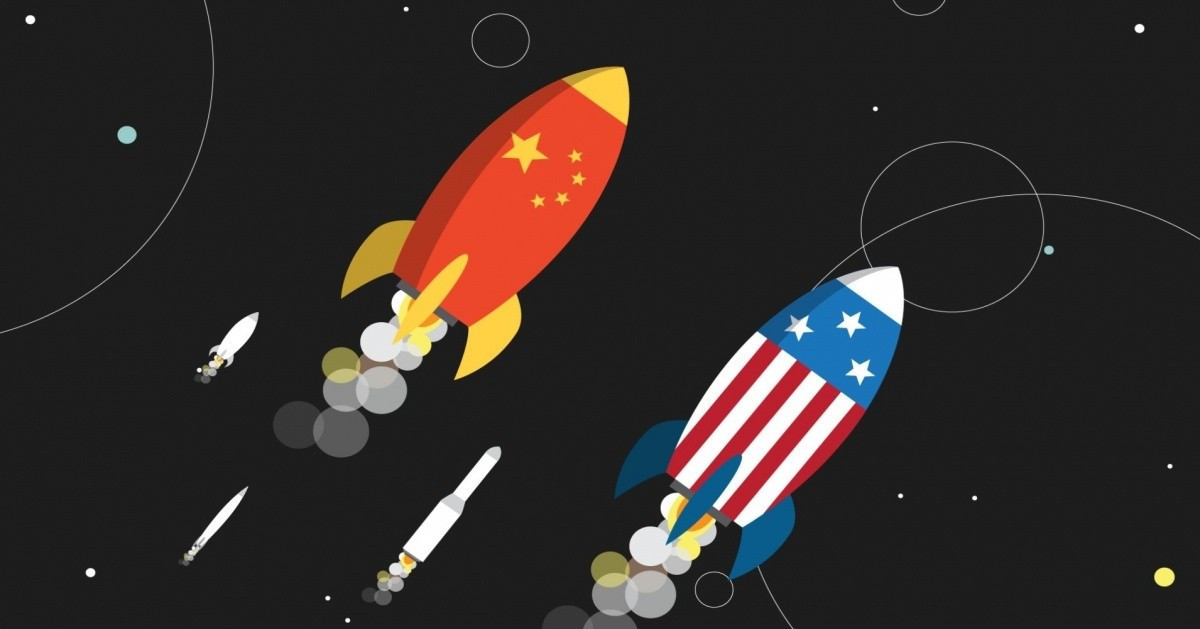
According to multiple expert sources, NASA is now considered behind in what many are calling a renewed “moon race” against People’s Republic of China as Beijing’s lunar ambitions gain momentum. The Verge reports a consensus among former NASA officials that the U.S. is failing to match China’s pace of lunar exploration efforts. NASA’s own program timelines have slipped and major contractors have encountered technical and schedule setbacks. In parallel, Scientific American highlights how budget cuts, heavy reliance on commercial partners, and delayed launch vehicles are contributing to NASA’s weakened edge against a determined Chinese space program. Meanwhile Space.com says congressional hearings have warned that unless NASA receives significantly more funding and changes its operational posture, the U.S. risks falling into a subordinate role in the lunar domain—leaving China the potential space-superpower vantage.
Sources: Scientific American, Space.com
Key Takeaways
– NASA’s flagship lunar program faces significant delays, eroding the United States’ ability to claim leadership in the renewed lunar competition.
– China’s space strategy appears more consistent, better funded and less encumbered by domestic political shifts, giving Beijing a strategic advantage.
– U.S. policy choices—budget constraints, commercial-partner reliance, and schedule slippages—raise serious questions about whether America can reclaim or maintain dominance in the lunar arena.
In-Depth
It’s becoming increasingly clear that the American space program is facing a reckoning. For decades, NASA enjoyed near-uncontested dominance in human spaceflight and lunar exploration. The iconic Apollo program left such a legacy that many assumed the U.S. would naturally carry forward into the next era. But the landscape has shifted. Analysts and former agency officials now warn that the U.S. may be ceding ground to China in what many refer to as the “new moon race.”
The article from The Verge captures the blunt assessment: former NASA officials believe the U.S. is falling behind China. What once felt like a friendly aspiration—to return Americans to the Moon—now feels like a race with risk. Meanwhile Scientific American drills into the structural issues: NASA’s budget has not kept pace with its ambitions, while institutional changes and heavy dependence on commercial partners (especially for lunar landers and heavy-lift rockets) have introduced new operational risks and dependencies. The Space.com coverage reveals how these concerns have reached congressional hearings, where experts insisted: unless something changes, the U.S. may lose its self-declared lead in lunar exploration.
China’s lunar program, by contrast, appears to be operating under a different set of constraints. Beijing is increasingly aligning national space goals with broader geopolitical objectives. Funding trends, long-term strategy and fewer public-political reversals seem to give China greater continuity. That matters when you factor in the myriad technical hurdles of returning to the Moon: developing new rockets, landers, surface habitat infrastructure, and sustained logistics for lunar bases. U.S. setbacks—especially schedule slips, cost overruns and technology maturation delays—undermine the sense of inevitability that once surrounded American leadership in space.
What’s at stake goes beyond prestige. When one nation takes the lead in lunar infrastructure—mining, fuel depots, satellite networks, deep-space comms—it establishes a foothold for future space commerce, strategic resource control and scientific partnerships. If China secures these footholds first, it could dictate terms for international collaboration, regional access, and lunar-surface norms. For the U.S., that would represent a strategic loss with long-term implications.
The path forward for NASA—and for U.S. space policy—requires reckoning with this reality. It demands stable funding, clearer timelines, less political interference, and prioritizing technology readiness over headline-driven schedule promises. Commercial partnerships remain essential, but they cannot replace strong government leadership and predictable investment. Without that, the U.S. risks being overtaken—and in space, being late means being second.
In short: The U.S. is not guaranteed to win the next lunar race by virtue of past dominance. Without decisive action and policy recalibration, China may write the next chapter of moon exploration—and America could be relegated to a follower role rather than the leader it once was.