

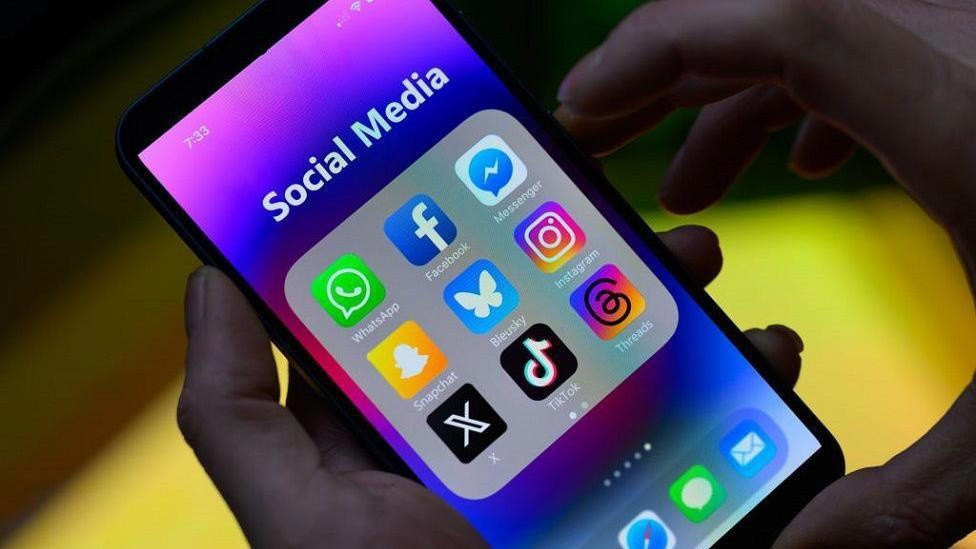
A TikTok trend known as the “AI homeless man prank” has caught widespread attention, with teenagers using AI tools (often via Snapchat) to generate realistic images of a homeless person inside their homes and then texting these to their parents to provoke a startled reaction. The prank escalates when parents, believing an intruder is real, call 911, prompting real police responses — even SWAT deployments in some cases. Law enforcement across the U.S., including in Wisconsin, has publicly denounced the trend, noting that it wastes limited emergency resources, risks public safety, and perpetuates harmful stereotypes about the homeless. The Salem, Massachusetts Police Department issued a public safety statement warning pranksters that in that jurisdiction, intentionally misleading emergency services could violate Massachusetts law and carry criminal penalties. Meanwhile, local departments like Shawano County Sheriff’s Office and UW-Madison Police have also alerted their communities to the dangers of the prank.
Key Takeaways
– Teen pranksters are employing AI-generated imagery to feign a homeless intruder, capturing parents’ reactions on video for social media.
– Police warn the prank can lead to dangerous, involuntary emergency responses, diverting resources from genuine crises.
– In some jurisdictions, such hoaxes may violate laws against providing false information to public safety agencies, with criminal liability possible.
In-Depth
This latest stunt from the world of social media trends walks a razor’s edge between harmless fun and reckless behavior. The basic formula is straightforward: a teen uses an AI tool (Snapchat’s generative features are frequently cited) to superimpose a distressed, disheveled person into a photo of their actual home, then claims they let the person in for some innocent reason — a bathroom, a nap, or needing a drink. They send it to a parent with some narrative, hoping for a dramatic reaction that they can record and upload to TikTok, where it might go viral. The result, though, is more than just a prank: in several reported incidents, parents believed the image and narrative, panicked, and contacted authorities believing a real intruder had breached the home.
What worries law enforcement is how quickly these pranks escalate. A home invasion call — especially involving minors — is treated as high priority. Some departments have already seen this escalate to SWAT responses. In Round Rock, Texas, a police commander told NBC that the prank “could even cause a SWAT response.” Meanwhile, in Salem, Massachusetts, the police department publicly condemned the prank — calling it dehumanizing, panic-inducing, and wasteful of police resources. They further reminded pranksters that Massachusetts General Law (MGL) Chapter 269 Section 14B prohibits the willful communication of false information to 911 dispatch centers, and violators may face up to 2½ years in jail or a fine up to $1,000.
In Wisconsin, local agencies have begun sounding alarms. The Shawano County Sheriff’s Office confirmed they answered a call triggered by the prank, while the University of Wisconsin–Madison Police publicly urged students not to let the joke spiral into a police report. Their advice: if you’re going to pull this kind of stunt (even if you think it’s funny), at least be ready to tell the target it’s a prank quickly — rather than force them into believing a dangerous scenario.
What’s striking is how this taps into deeper social issues. The prank weaponizes negative stereotypes about homelessness—casting the visible homeless man image as menacing or terrifying. That usage reveals how casual mocking of vulnerable populations has become a tool in viral content strategies. And by provoking panic, it forces first responders into real danger or resource strain, all for a viral clip.
From a policy viewpoint, the question becomes how law enforcement and lawmakers should respond. Should such pranks be explicitly criminalized beyond existing false-report statutes? How do you balance free speech/creative expression against the public safety risks of staged emergencies? Some jurisdictions already have enhanced penalties for false reports that trigger dispatch — but many do not yet address AI-fueled hoaxes expressly.
This trend underlines a necessary shift: as AI tools become easier to wield, the potential for mischief rises. Teens don’t always predict consequences — but institutions must adapt. In the meantime, calls to “think of the consequences before you prank” aren’t merely moralizing; in many places, they’re a serious legal and safety warning.