

Close Menu

    Subscribe to Updates

    Get the latest tech news from Tallwire.

      What's Hot

      Artemis II Splashdown Signals A Step Closer to Mass Space Travel

      April 12, 2026

      Anthropic Code Leak Raises Questions About AI Security and Industry Oversight

      April 8, 2026

      NASA Astronauts Use iPhones to Capture Historic Artemis II Mission Images

      April 8, 2026
      Facebook X (Twitter) Instagram
      • Tech
      • AI
      • Get In Touch
      Facebook X (Twitter) LinkedIn
      TallwireTallwire
      • Tech

        NASA Astronauts Use iPhones to Capture Historic Artemis II Mission Images

        April 8, 2026

        OpenAI Expands Influence With Strategic TBPN Media Acquisition

        April 8, 2026

        Cybersecurity Veteran Turns Focus To Drone Hacking After Decades Battling Malware

        April 6, 2026

        Anonymous Social App Surges In Saudi Arabia, Testing Limits Of Digital Freedom

        April 6, 2026

        Peter Thiel’s Bold Ag-Tech Gamble Signals High-Tech Disruption of Traditional Ranching

        April 6, 2026
      • AI

        Anthropic Code Leak Raises Questions About AI Security and Industry Oversight

        April 8, 2026

        The Rise Of Agentic AI Signals A Shift From Tools To Autonomous Digital Actors

        April 8, 2026

        AI Chatbots Draw Scrutiny As Teens Engage In Intimate Roleplay And Emotional Dependency

        April 8, 2026

        Ai-Powered Startup Signals Rise Of One-Person Billion-Dollar Companies

        April 8, 2026

        OpenAI Secures Historic $122 Billion Funding Round at $852 Billion Valuation

        April 7, 2026
      • Security

        Anthropic Code Leak Raises Questions About AI Security and Industry Oversight

        April 8, 2026

        DeFi Platform Drift Halts Operations After Multi-Million Dollar Crypto Hack

        April 7, 2026

        Fake WhatsApp App Exposes Users To Government Spyware Operation

        April 7, 2026

        ICE Deploys Controversial Spyware Tool In Drug Trafficking Investigations

        April 7, 2026

        Telehealth Firm Discloses Breach Amid Rising Digital Health Vulnerabilities

        April 6, 2026
      • Health

        European Crackdown Targets Social Media’s Impact on Children

        April 8, 2026

        AI Chatbots Draw Scrutiny As Teens Engage In Intimate Roleplay And Emotional Dependency

        April 8, 2026

        Australia Moves To Curb Social Media Addiction Among Youth With Expanded Under-16 Ban

        April 5, 2026

        Australia’s eSafety Regulator Warns Big Tech As Teens Circumvent Social Media Restrictions

        April 5, 2026

        Meta Finally Held Accountable For Harming Teens, But Real Reform Remains Uncertain

        April 2, 2026
      • Science

        Artemis II Splashdown Signals A Step Closer to Mass Space Travel

        April 12, 2026

        Peter Thiel’s Bold Ag-Tech Gamble Signals High-Tech Disruption of Traditional Ranching

        April 6, 2026

        White House Tech Advisor David Sacks Steps Down To Lead Presidential Science Advisory

        March 31, 2026

        Blue Origin’s Orbital Data Center Push Signals New Frontier in Tech Infrastructure

        March 27, 2026

        Quantum Cryptography Pioneers Awarded Computing’s Highest Honor

        March 25, 2026
      • Tech

        Peter Thiel’s Bold Ag-Tech Gamble Signals High-Tech Disruption of Traditional Ranching

        April 6, 2026

        Zuckerberg Quietly Offers Musk Support As Tech Titans Align Around Government Power

        April 4, 2026

        White House Tech Advisor David Sacks Steps Down To Lead Presidential Science Advisory

        March 31, 2026

        Another Billionaire Signals Exit As California’s Taxes Drives Out High-Profile Entrepreneurs

        March 28, 2026

        Bezos Eyes $100 Billion War Chest To Rewire Legacy Industry With AI

        March 28, 2026
      TallwireTallwire
      Home»Tech»Viral AI Homeless-Man Prank Triggers Police Warnings & Legal Risks
      Tech

      Viral AI Homeless-Man Prank Triggers Police Warnings & Legal Risks

      Updated:March 21, 20264 Mins Read
      Facebook Twitter Pinterest LinkedIn Tumblr Email
      Viral AI Homeless-Man Prank Triggers Police Warnings & Legal Risks
      Viral AI Homeless-Man Prank Triggers Police Warnings & Legal Risks
      Share
      Facebook Twitter LinkedIn Pinterest Email

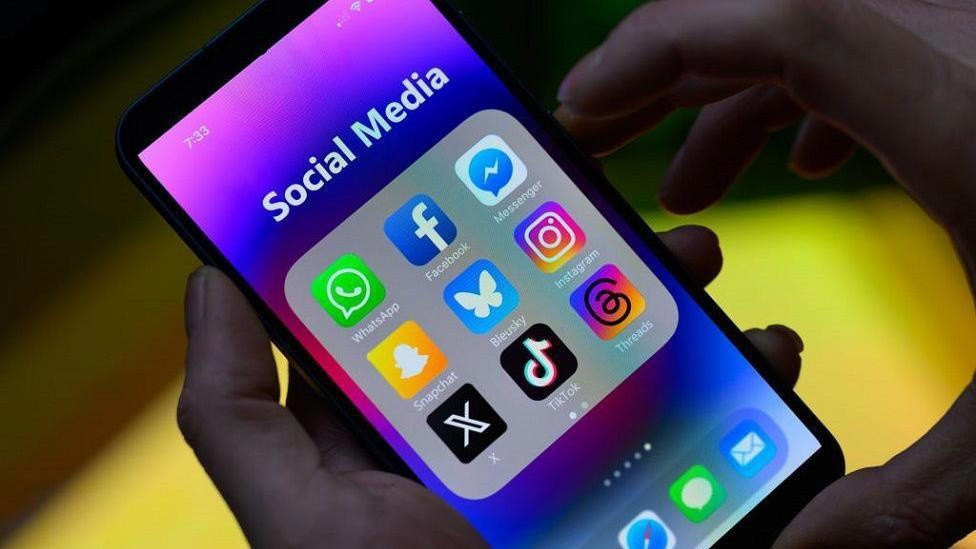
      A TikTok trend known as the “AI homeless man prank” has caught widespread attention, with teenagers using AI tools (often via Snapchat) to generate realistic images of a homeless person inside their homes and then texting these to their parents to provoke a startled reaction. The prank escalates when parents, believing an intruder is real, call 911, prompting real police responses — even SWAT deployments in some cases. Law enforcement across the U.S., including in Wisconsin, has publicly denounced the trend, noting that it wastes limited emergency resources, risks public safety, and perpetuates harmful stereotypes about the homeless. The Salem, Massachusetts Police Department issued a public safety statement warning pranksters that in that jurisdiction, intentionally misleading emergency services could violate Massachusetts law and carry criminal penalties. Meanwhile, local departments like Shawano County Sheriff’s Office and UW-Madison Police have also alerted their communities to the dangers of the prank.

      Sources: FOX11, The Verge

      Key Takeaways

      – Teen pranksters are employing AI-generated imagery to feign a homeless intruder, capturing parents’ reactions on video for social media.

      – Police warn the prank can lead to dangerous, involuntary emergency responses, diverting resources from genuine crises.

      – In some jurisdictions, such hoaxes may violate laws against providing false information to public safety agencies, with criminal liability possible.

      In-Depth

      This latest stunt from the world of social media trends walks a razor’s edge between harmless fun and reckless behavior. The basic formula is straightforward: a teen uses an AI tool (Snapchat’s generative features are frequently cited) to superimpose a distressed, disheveled person into a photo of their actual home, then claims they let the person in for some innocent reason — a bathroom, a nap, or needing a drink. They send it to a parent with some narrative, hoping for a dramatic reaction that they can record and upload to TikTok, where it might go viral. The result, though, is more than just a prank: in several reported incidents, parents believed the image and narrative, panicked, and contacted authorities believing a real intruder had breached the home.

      What worries law enforcement is how quickly these pranks escalate. A home invasion call — especially involving minors — is treated as high priority. Some departments have already seen this escalate to SWAT responses. In Round Rock, Texas, a police commander told NBC that the prank “could even cause a SWAT response.” Meanwhile, in Salem, Massachusetts, the police department publicly condemned the prank — calling it dehumanizing, panic-inducing, and wasteful of police resources. They further reminded pranksters that Massachusetts General Law (MGL) Chapter 269 Section 14B prohibits the willful communication of false information to 911 dispatch centers, and violators may face up to 2½ years in jail or a fine up to $1,000.

      In Wisconsin, local agencies have begun sounding alarms. The Shawano County Sheriff’s Office confirmed they answered a call triggered by the prank, while the University of Wisconsin–Madison Police publicly urged students not to let the joke spiral into a police report. Their advice: if you’re going to pull this kind of stunt (even if you think it’s funny), at least be ready to tell the target it’s a prank quickly — rather than force them into believing a dangerous scenario.

      What’s striking is how this taps into deeper social issues. The prank weaponizes negative stereotypes about homelessness—casting the visible homeless man image as menacing or terrifying. That usage reveals how casual mocking of vulnerable populations has become a tool in viral content strategies. And by provoking panic, it forces first responders into real danger or resource strain, all for a viral clip.

      From a policy viewpoint, the question becomes how law enforcement and lawmakers should respond. Should such pranks be explicitly criminalized beyond existing false-report statutes? How do you balance free speech/creative expression against the public safety risks of staged emergencies? Some jurisdictions already have enhanced penalties for false reports that trigger dispatch — but many do not yet address AI-fueled hoaxes expressly.

      This trend underlines a necessary shift: as AI tools become easier to wield, the potential for mischief rises. Teens don’t always predict consequences — but institutions must adapt. In the meantime, calls to “think of the consequences before you prank” aren’t merely moralizing; in many places, they’re a serious legal and safety warning.

      Viral
      Share. Facebook Twitter Pinterest LinkedIn Tumblr Email
      Previous ArticleVietnam Investigates Cyberattack on National Credit Data System, Potentially Compromising Millions of Personal Records
      Next Article Viral Call-Recording App “Neon” Goes Dark After Exposing Users’ Calls and Phone Numbers

      Related Posts

      NASA Astronauts Use iPhones to Capture Historic Artemis II Mission Images

      April 8, 2026

      OpenAI Expands Influence With Strategic TBPN Media Acquisition

      April 8, 2026

      Cybersecurity Veteran Turns Focus To Drone Hacking After Decades Battling Malware

      April 6, 2026

      Anonymous Social App Surges In Saudi Arabia, Testing Limits Of Digital Freedom

      April 6, 2026
      Add A Comment
      Leave A Reply Cancel Reply

      Editors Picks

      NASA Astronauts Use iPhones to Capture Historic Artemis II Mission Images

      April 8, 2026

      OpenAI Expands Influence With Strategic TBPN Media Acquisition

      April 8, 2026

      Cybersecurity Veteran Turns Focus To Drone Hacking After Decades Battling Malware

      April 6, 2026

      Anonymous Social App Surges In Saudi Arabia, Testing Limits Of Digital Freedom

      April 6, 2026
      Popular Topics
      Ransomware Series A UAE Tech Quantum computing Tesla Cybertruck trending Sundar Pichai Startup Viral Software Satya Nadella Tesla Sam Altman Samsung Tim Cook Taiwan Tech Robotics spotlight Series B SpaceX
      Major Tech Companies
      • Apple News
      • Google News
      • Meta News
      • Microsoft News
      • Amazon News
      • Samsung News
      • Nvidia News
      • OpenAI News
      • Tesla News
      • AMD News
      • Anthropic News
      • Elbit News
      AI & Emerging Tech
      • AI Regulation News
      • AI Safety News
      • AI Adoption
      • Quantum Computing News
      • Robotics News
      Key People
      • Sam Altman News
      • Jensen Huang News
      • Elon Musk News
      • Mark Zuckerberg News
      • Sundar Pichai News
      • Tim Cook News
      • Satya Nadella News
      • Mustafa Suleyman News
      Global Tech & Policy
      • Israel Tech News
      • India Tech News
      • Taiwan Tech News
      • UAE Tech News
      Startups & Emerging Tech
      • Series A News
      • Series B News
      • Startup News
      Tallwire
      Facebook X (Twitter) LinkedIn Threads Instagram RSS
      • Tech
      • Entertainment
      • Business
      • Government
      • Academia
      • Transportation
      • Legal
      • Press Kit
      © 2026 Tallwire. Optimized by ARMOUR Digital Marketing Agency.

      Type above and press Enter to search. Press Esc to cancel.