

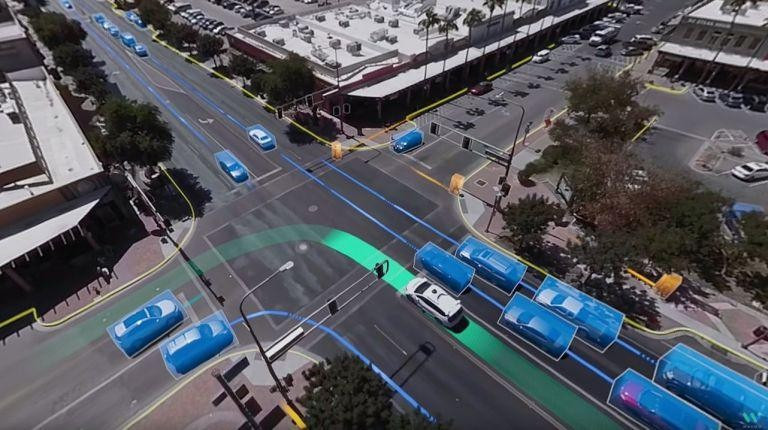
Waymo has publicly outlined aspects of the artificial-intelligence architecture underpinning its autonomous driving technology in an effort to bolster confidence in its safety performance as autonomous vehicles face expanding scrutiny over unusual incidents and regulatory pressure. Waymo described how its system combines multiple AI decision layers to anticipate behavior on the road and emphasized its long-term statistical safety record compared with human drivers, even as fatal accidents involving pets and reports of robotaxis improperly passing stopped school buses have prompted federal investigations and software recalls. The company maintains that safety is built into every layer of its platform and that increased transparency will help distinguish its approach from competitors and criticisms.
Key Takeaways
– Waymo publicly shared technical details of its autonomous vehicle AI to improve public trust while under scrutiny for recent safety-related incidents.
– Federal regulators have initiated investigations and software recalls following reports of autonomous vehicles illegally passing stopped school buses, highlighting ongoing safety concerns.
– Independent data indicates that, statistically, Waymo’s autonomous vehicles have lower serious crash rates than human drivers, even as operational behavior and public perception remain contentious.
In-Depth
Waymo, Alphabet’s autonomous driving subsidiary, recently moved to shed more light on the inner workings of its safety technology at a moment when autonomous vehicles broadly are under increasing scrutiny from regulators, media, and the public. In a blog post, the company outlined key aspects of its AI architecture, noting that its system blends multiple layers of artificial intelligence designed to both react rapidly to immediate hazards and anticipate likely behavior from other road users. The intent, according to Waymo’s corporate messaging, is to demonstrate that safety isn’t an afterthought or a marketing claim but rather a foundational element of the company’s autonomous platform.
This effort at transparency comes amid a backdrop of well-documented “odd incidents” and formal probes that have put autonomous driving back into public debate. In recent months, federal authorities, including the National Highway Traffic Safety Administration, have opened evaluations into Waymo’s self-driving systems after its robotaxis were observed passing stopped school buses with their stop arms extended — a clear violation of traffic laws that raised safety red flags. Those investigations culminated in a software recall affecting over three thousand vehicles, reflecting regulatory insistence that any systemic defects be addressed promptly and proactively. The recall, in part, obliged Waymo to refine how its automated driving system handles certain complex traffic scenarios.
Despite these high-profile cases, there is a contrasting narrative rooted in objective performance data: independent analyses suggest that Waymo’s autonomous vehicles experience significantly fewer serious crashes than human drivers on a per-mile basis. For example, a recent industry report highlights dramatic reductions in serious injury or worse crash rates relative to conventional human-operated vehicles, with some categories showing reductions of around 90 percent. This statistical advantage is a key part of Waymo’s argument that the overall safety trajectory of autonomous systems is positive, even if individual incidents capture outsized attention.
The tension between statistical safety and isolated mishaps underscores the broader challenge facing autonomous technology. Advocates point to lower aggregate crash figures as evidence that automated systems can, over time, save lives by eliminating human error — which accounts for a large portion of traffic accidents. Skeptics, however, emphasize the unpredictability and complexity of real-world driving, arguing that unusual incidents, like failing to stop for school buses or other legal violations, reveal technological shortcomings that must be resolved before wide-scale deployment is socially acceptable.
Waymo’s attempts to publicly explain its safety strategy are therefore as much about managing perception as they are about engineering. By drawing back the curtain on how its AI predicts and reacts to road conditions, the company seeks to build trust not only among riders but also with regulators and communities that host its operations. This is especially important as Waymo expands into additional U.S. cities and competes with other autonomous and semi-autonomous efforts that differ in technological approach, regulatory compliance, and safety philosophy.
In the interim, the company finds itself at the nexus of innovation and oversight. There are clear signs of progress and statistical strength in its safety performance, yet individual events continue to fuel debate about whether autonomous vehicles are ready for prime time on a broader scale. Whether Waymo’s increased transparency will meaningfully shift public and regulatory perception remains an open question, but the move certainly reflects an understanding that accountability and information — not just technical prowess — are now central to the narrative around autonomous transportation.