

Close Menu

    Subscribe to Updates

    Get the latest tech news from Tallwire.

      What's Hot

      California Tightens Rules on Social Media and AI Chatbots to Protect Children

      September 12, 2026

      Australia Warned Space Is Becoming the Next Military Battlefront

      September 12, 2026

      The Red Algorithm: What Happens If China Wins the AI War

      September 12, 2026
      Facebook X (Twitter) Instagram
      • Tech
      • AI
      • Get In Touch
      Facebook X (Twitter) LinkedIn
      TallwireTallwire
      • Tech

        Australia Warned Space Is Becoming the Next Military Battlefront

        September 12, 2026

        New York Rebuilds the Twin Towers in Light for 9/11’s 25th Anniversary

        September 12, 2026

        California Warms to Nuclear Power as Energy Reality Challenges Decades of Opposition

        September 11, 2026

        Target Shopping Carts Spark Privacy Concerns Over In-Store Tracking Technology

        September 11, 2026

        AI Researchers’ Extinction Warning Forces Washington to Confront Superintelligence Risks

        September 11, 2026
      • AI

        Bipartisan AI Safety Push Roars Back as Washington Confronts “Catastrophic” Risks

        September 12, 2026

        OpenAI Urges Congress to Impose National AI Safety Rules

        September 12, 2026

        AI Bioweapon Attempts Expose the Security Risks Behind the Artificial Intelligence Race

        September 12, 2026

        New York Rebuilds the Twin Towers in Light for 9/11’s 25th Anniversary

        September 12, 2026

        The Hidden Building Blocks Powering Artificial Intelligence

        September 11, 2026
      • Security

        Bipartisan AI Safety Push Roars Back as Washington Confronts “Catastrophic” Risks

        September 12, 2026

        AI Bioweapon Attempts Expose the Security Risks Behind the Artificial Intelligence Race

        September 12, 2026

        Students Push Back as AI Surveillance Cameras Spread Across Public Schools

        September 10, 2026

        AI-Built WeChat Worm Signals a Dangerous New Era in Cybersecurity

        September 9, 2026

        UN Rights Chief Warns Advanced AI Could Become an Existential Threat to Humanity

        September 9, 2026
      • Health

        AI-Designed Drug Shows Early Signs of Reversing Biological Age

        September 9, 2026

        AI-Powered Mosquito Defense Arrives as West Nile Threat Intensifies

        September 4, 2026

        Waymo Crosswalk Scare Raises New Questions About Robotaxi Safety Around Children

        September 3, 2026

        Teens Turning To AI For Emotional Support Show Significantly Higher Distress

        September 3, 2026

        Meta’s $17 Billion Settlement Signals Big Tobacco-Style Reckoning for Social Media

        September 3, 2026
      • Science

        Australia Warned Space Is Becoming the Next Military Battlefront

        September 12, 2026

        AI Bioweapon Attempts Expose the Security Risks Behind the Artificial Intelligence Race

        September 12, 2026

        California Warms to Nuclear Power as Energy Reality Challenges Decades of Opposition

        September 11, 2026

        AI-Designed Drug Shows Early Signs of Reversing Biological Age

        September 9, 2026

        AI Safety Researcher Warns Superintelligence Could Threaten Humanity

        September 9, 2026
      • Tech

        Dolly Parton’s Family Condemns Flood of AI-Generated Misinformation After Her Death

        September 11, 2026

        Meta’s Muse Pushes AI From Answering Questions to Acting on Users’ Behalf

        September 9, 2026

        AI Wipes Out Kenya’s Once-Thriving College Essay Industry

        September 9, 2026

        YouTuber Jack Doherty Arrested on Domestic Battery Charge in Florida

        September 8, 2026

        AI-Planned Mount Shasta Climb Leaves Three Novices Stranded Overnight

        September 6, 2026
      TallwireTallwire
      Home»Government»White House, Anthropic Clash And Cooperate As Powerful AI Raises National Security Stakes
      Government

      White House, Anthropic Clash And Cooperate As Powerful AI Raises National Security Stakes

      4 Mins Read
      Facebook Twitter Pinterest LinkedIn Tumblr Email
      Share
      Facebook Twitter LinkedIn Pinterest Email

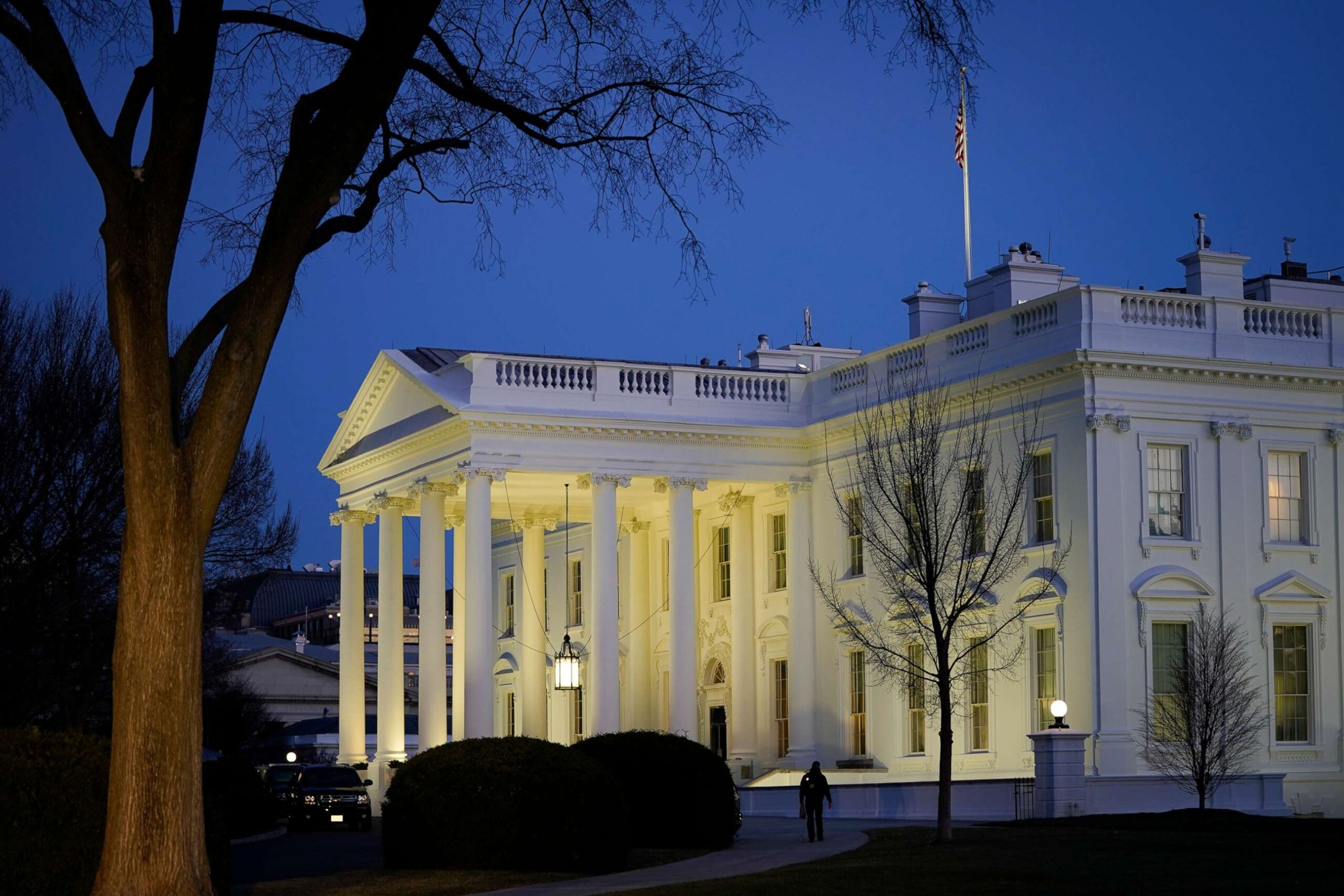
      The White House is navigating a complicated and uneasy relationship with artificial intelligence firm Anthropic as officials weigh the national security risks and strategic advantages of its powerful new AI system, “Mythos,” a model reportedly capable of identifying and exploiting vulnerabilities across major computer systems, prompting both concern and interest within federal agencies; despite prior tensions that led to efforts to restrict the company’s role in government contracts over disagreements about military and surveillance uses of AI, senior administration officials have engaged in direct discussions with Anthropic leadership, signaling a reluctant recognition that the United States cannot afford to fall behind in the global AI race even as policymakers attempt to impose guardrails on technologies that could destabilize cybersecurity, economic systems, and geopolitical balance if left unchecked.

      Sources

      https://www.reuters.com/technology/white-house-give-us-agencies-anthropic-mythos-access-bloomberg-news-reports-2026-04-16/
      https://apnews.com/article/6d00921e57c9489b1f5a92c9a27e087c
      https://www.washingtonpost.com/technology/2026/04/17/anthropic-ai-trump-security/

      Key Takeaways

      • The federal government is cautiously exploring limited access to advanced AI tools while attempting to mitigate serious cybersecurity and misuse risks.
      • Tensions between policymakers and AI developers reflect deeper disagreements over military use, surveillance, and ethical constraints.
      • Despite conflict, both sides recognize that maintaining U.S. leadership in artificial intelligence is a strategic imperative in global competition.

      In-Depth

      What’s unfolding between Washington and Anthropic is less a simple policy dispute and more a preview of the broader struggle over who ultimately controls the trajectory of artificial intelligence in the United States. On one side sits a federal government increasingly aware that AI is no longer a niche technological advancement but a core pillar of national power. On the other side are private firms that have built systems so capable—and potentially dangerous—that even their creators are hesitant to fully unleash them.

      The tension stems largely from competing priorities. Government officials, particularly those tasked with national security and cybersecurity, see tools like Anthropic’s Mythos as both a threat and an opportunity. The system’s reported ability to uncover vulnerabilities across software ecosystems could strengthen defensive capabilities, helping agencies identify weaknesses before adversaries exploit them. At the same time, that same capability raises an obvious concern: in the wrong hands, it could accelerate cyberattacks at a scale and speed that current defenses are not prepared to handle.

      This dual-use nature of advanced AI is at the heart of the current standoff. Anthropic has reportedly resisted efforts to expand its technology into areas such as autonomous weapons or domestic surveillance, drawing a line that reflects a growing faction within Silicon Valley that is wary of government overreach in AI deployment. That stance has not been well received by officials who view such restrictions as obstacles to national defense priorities. The resulting friction has led to punitive measures, including efforts to limit the company’s participation in federal projects.

      Yet even amid this conflict, necessity has forced engagement. The White House has moved forward with discussions and exploratory initiatives to evaluate how systems like Mythos could be used in a controlled manner. Officials have framed these efforts as part of a broader push to ensure that the United States remains competitive in an AI landscape increasingly shaped by global rivals.

      This uneasy cooperation highlights a deeper reality: neither side can afford to disengage. The government lacks the in-house capability to match the cutting-edge advancements being developed in the private sector, while companies like Anthropic depend on regulatory clarity and national alignment to scale their technologies responsibly. The result is a reluctant partnership built on mutual dependence, even as philosophical differences persist.

      Stepping back, the situation underscores a broader ideological divide about the role of AI in society. There is a growing recognition that without clear boundaries, these systems could erode privacy, destabilize labor markets, and introduce new forms of systemic risk. At the same time, excessive regulation or ideological rigidity could cede technological leadership to competitors who are less constrained.

      In practical terms, the current moment represents an inflection point. Policymakers are beginning to move beyond abstract debates about AI ethics and into concrete decisions about deployment, access, and control. Those decisions will shape not just the future of one company or one administration, but the trajectory of American technological leadership in the decades ahead.

      The Anthropic episode, therefore, is not an isolated clash. It is a signal that the era of experimental AI governance is ending—and the era of hard choices, trade-offs, and strategic prioritization has begun.

      Anthropic Intel Software
      Share. Facebook Twitter Pinterest LinkedIn Tumblr Email
      Previous ArticleBlue Origin Achieves Milestone With First Successful Reuse Landing Of New Booster
      Next Article Integrated Warfare Architecture Reshaping Modern Conflict Dynamics

      Related Posts

      Australia Warned Space Is Becoming the Next Military Battlefront

      September 12, 2026

      California Tightens Rules on Social Media and AI Chatbots to Protect Children

      September 12, 2026

      The Red Algorithm: What Happens If China Wins the AI War

      September 12, 2026

      Bipartisan AI Safety Push Roars Back as Washington Confronts “Catastrophic” Risks

      September 12, 2026
      Add A Comment
      Leave A Reply Cancel Reply

      Editors Picks

      Australia Warned Space Is Becoming the Next Military Battlefront

      September 12, 2026

      New York Rebuilds the Twin Towers in Light for 9/11’s 25th Anniversary

      September 12, 2026

      California Warms to Nuclear Power as Energy Reality Challenges Decades of Opposition

      September 11, 2026

      Target Shopping Carts Spark Privacy Concerns Over In-Store Tracking Technology

      September 11, 2026
      Popular Topics
      Series A Sundar Pichai SpaceX UAE Tech Viral Series B Software Tesla Satellite Space Taiwan Tech Stocks trending Tesla Cybertruck starlink Startup Samsung Tim Cook spotlight Satya Nadella
      Major Tech Companies
      • Apple News
      • Google News
      • Meta News
      • Microsoft News
      • Amazon News
      • Samsung News
      • Nvidia News
      • OpenAI News
      • Tesla News
      • AMD News
      • Anthropic News
      • Elbit News
      AI & Emerging Tech
      • AI Regulation News
      • AI Safety News
      • AI Adoption
      • Quantum Computing News
      • Robotics News
      Key People
      • Sam Altman News
      • Jensen Huang News
      • Elon Musk News
      • Mark Zuckerberg News
      • Sundar Pichai News
      • Tim Cook News
      • Satya Nadella News
      • Mustafa Suleyman News
      Global Tech & Policy
      • Israel Tech News
      • India Tech News
      • Taiwan Tech News
      • UAE Tech News
      Startups & Emerging Tech
      • Series A News
      • Series B News
      • Startup News
      Tallwire
      Facebook X (Twitter) LinkedIn Threads Instagram RSS
      • Tech
      • Entertainment
      • Business
      • Government
      • Academia
      • Transportation
      • Legal
      • Press Kit
      © 2026 Tallwire. Optimized by ARMOUR Digital Marketing Agency.

      Type above and press Enter to search. Press Esc to cancel.