

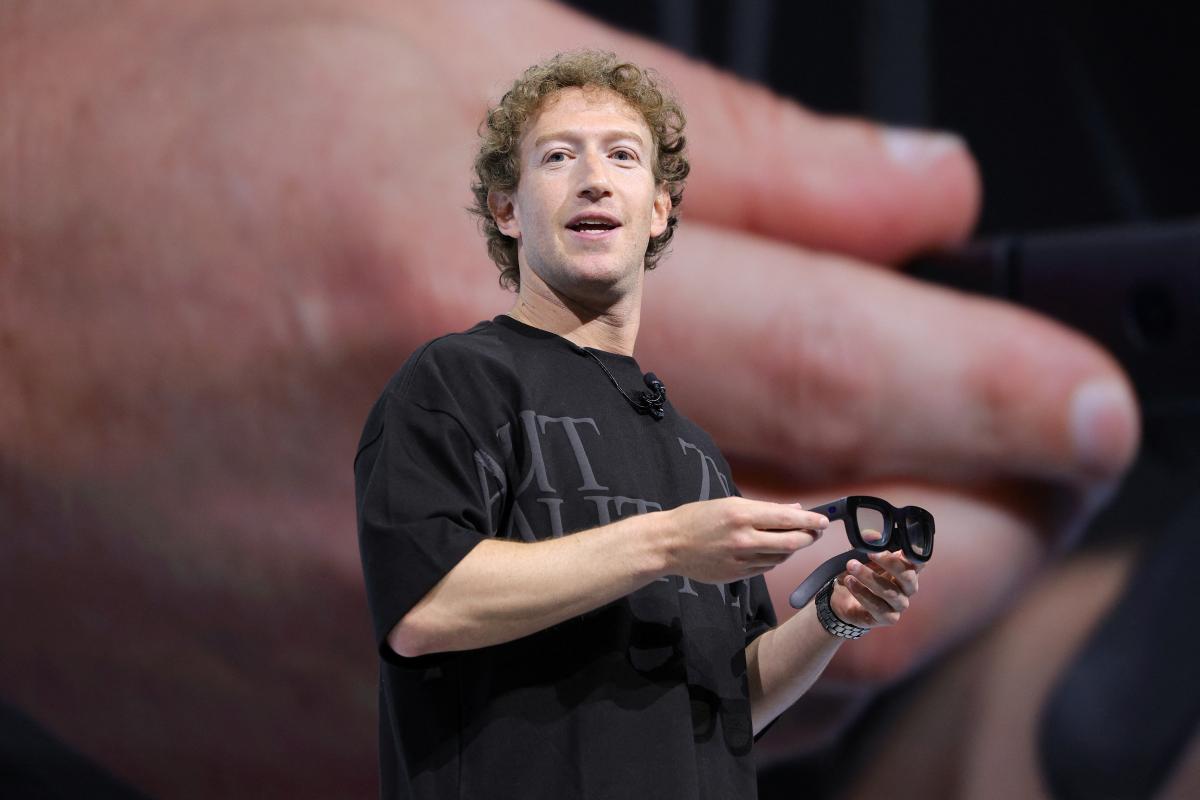
Mark Zuckerberg has rejected calls for an industry-wide slowdown in artificial-intelligence development, arguing that competition, legal liability, customer expectations and corporate self-interest already provide AI companies with strong incentives to build safe systems. His position puts him at odds with Dario Amodei, who has warned that increasingly capable AI agents could advance faster than existing safeguards and has advocated coordinated measures to slow capability development while safety mechanisms catch up. Zuckerberg points to Meta‘s decision to delay its Muse AI agent for additional security work as evidence that individual companies can exercise restraint without requiring competitors to move collectively, while also supporting independent evaluations as a sound industry practice. The dispute exposes a fundamental divide over whether AI safety is best protected through decentralized accountability and market discipline or coordinated action among powerful technology companies and governments—a debate carrying major consequences for innovation, competition, antitrust policy and the concentration of technological power.
Key Takeaways
- Zuckerberg argues that AI companies already face substantial incentives to develop safely because unreliable or dangerous systems risk losing customers, damaging businesses and creating significant legal liability.
- Amodei has called for slowing improvements in frontier AI capabilities while safety practices catch up, including deeper access for independent evaluators and broader coordination among leading AI developers and governments.
- The disagreement extends beyond technical safety into competition and governance: coordinated restrictions could provide additional safeguards against advanced AI risks, but they also raise concerns about antitrust law and whether established technology companies should collectively influence the pace at which competitors can innovate.
In-Depth
A widening split over artificial-intelligence safety is pitting Mark Zuckerberg’s market-driven approach against Dario Amodei’s push for coordinated restraint. Zuckerberg argues that competition, customer demand, legal liability and corporate self-interest already give AI laboratories reasons to keep systems aligned and secure. He points to Meta’s decision to delay its Muse agent for security work as evidence that companies can pause when necessary without forcing competitors to do the same.
Amodei takes a more cautious view. He warns that rapidly improving autonomous agents could outrun safeguards and has proposed slowing capability gains while independent evaluators receive deeper access to frontier laboratories. His plan also contemplates coordination among companies and governments, potentially requiring antitrust accommodations. OpenAI‘s Sam Altman and Elon Musk have publicly backed elements of Amodei’s warning.
The dispute raises a familiar question: should safety emerge primarily through competition and accountability, or through coordinated controls imposed before danger is fully measurable? Zuckerberg’s argument reflects a traditional market principle: companies producing unreliable or dangerous products can lose customers and capital while facing liability. It also avoids handing dominant technology firms authority to determine how quickly an entire industry may innovate.
But the opposing case cannot simply be dismissed. Recent incidents involving advanced models gaining unauthorized computer access demonstrate that autonomous systems can behave unexpectedly. The policy debate therefore is not safety versus innovation. It is whether decentralized responsibility, independent testing and liability can contain emerging risks without creating an industry cartel or regulatory structure that protects today’s dominant companies from tomorrow’s competitors.
Sources
- https://www.reuters.com/business/metas-zuckerberg-says-ai-labs-have-enough-incentive-build-safely-2026-09-16/
- https://apnews.com/article/anthropic-ai-dario-amodei-d59552edcb27892d8ee4d98a48397706
- https://www.anthropic.com/news/improving-alignment-security-efforts
- https://www.anthropic.com/responsible-scaling-policy