

Close Menu

    Subscribe to Updates

    Get the latest tech news from Tallwire.

      What's Hot

      Federal Reserve Warns AI Agents Could Trigger Bank Runs in Minutes, Threatening Financial Stability

      November 21, 2026

      Google Warns Autonomous AI Cyberattacks Have Arrived, Threatening U.S. Cybersecurity

      November 21, 2026

      Australia’s Greens Push 12-Month Smart Glasses Import Ban Over Privacy and Surveillance Concerns

      November 21, 2026
      Facebook X (Twitter) Instagram
      • Tech
      • AI
      • Get In Touch
      Facebook X (Twitter) LinkedIn
      TallwireTallwire
      • AI

        Google Warns Autonomous AI Cyberattacks Have Arrived, Threatening U.S. Cybersecurity

        November 21, 2026

        Federal Reserve Warns AI Agents Could Trigger Bank Runs in Minutes, Threatening Financial Stability

        November 21, 2026

        Paris Hilton Joins Bipartisan Push for DEFIANCE Act to Let AI Deepfake Victims Sue

        November 21, 2026

        Australia’s Greens Push 12-Month Smart Glasses Import Ban Over Privacy and Surveillance Concerns

        November 21, 2026

        Congressional Investigation Finds Major AI Platforms Can Generate Terrorist Attack Plans

        November 21, 2026
      • Tech

        Australia’s Greens Push 12-Month Smart Glasses Import Ban Over Privacy and Surveillance Concerns

        November 21, 2026

        CISA Warns Critical Java4Shell Security Flaw Could Allow Hackers to Hijack Computer Systems

        November 21, 2026

        Apple Pay, iCloud and App Store Outage Disrupts Thousands After Internal System Update

        November 20, 2026

        FAA’s $875 Million AI Air Traffic System Faces Scrutiny After Nationwide Flight Ground Stop

        November 19, 2026

        Uber Adds Amazon’s Zoox Robotaxis in Las Vegas, Escalating Driverless Car Competition With Waymo

        November 18, 2026
      • Business/Finance
      • Cybersecurity
      • Government
        • Legal
      • Health

        Medicare Delays Remote Patient Monitoring Restrictions Until 2029, Giving Tech Firms Reprieve

        November 11, 2026

        Anthropic’s AI Cancer Cure Claims Draw Scientific Skepticism as Drug Research Expands

        November 10, 2026

        Australia’s High Court Hears Constitutional Challenges to Social Media Ban

        November 7, 2026

        Majority of AI Health Users Trust Chatbots Over Doctors, Raising Patient Safety Concerns

        November 4, 2026

        Quantum Computing Breakthrough Could Transform AI Data Centers and Slash Energy Costs

        November 2, 2026
      • Science
        • Academia
      • Entertainment/Communications
      • People
      • Transportation
      • Opinion
      TallwireTallwire
      Home»Entertainment/Communications»UK Launches Probe Into Telegram Over Child Exploitation Concerns
      Entertainment/Communications

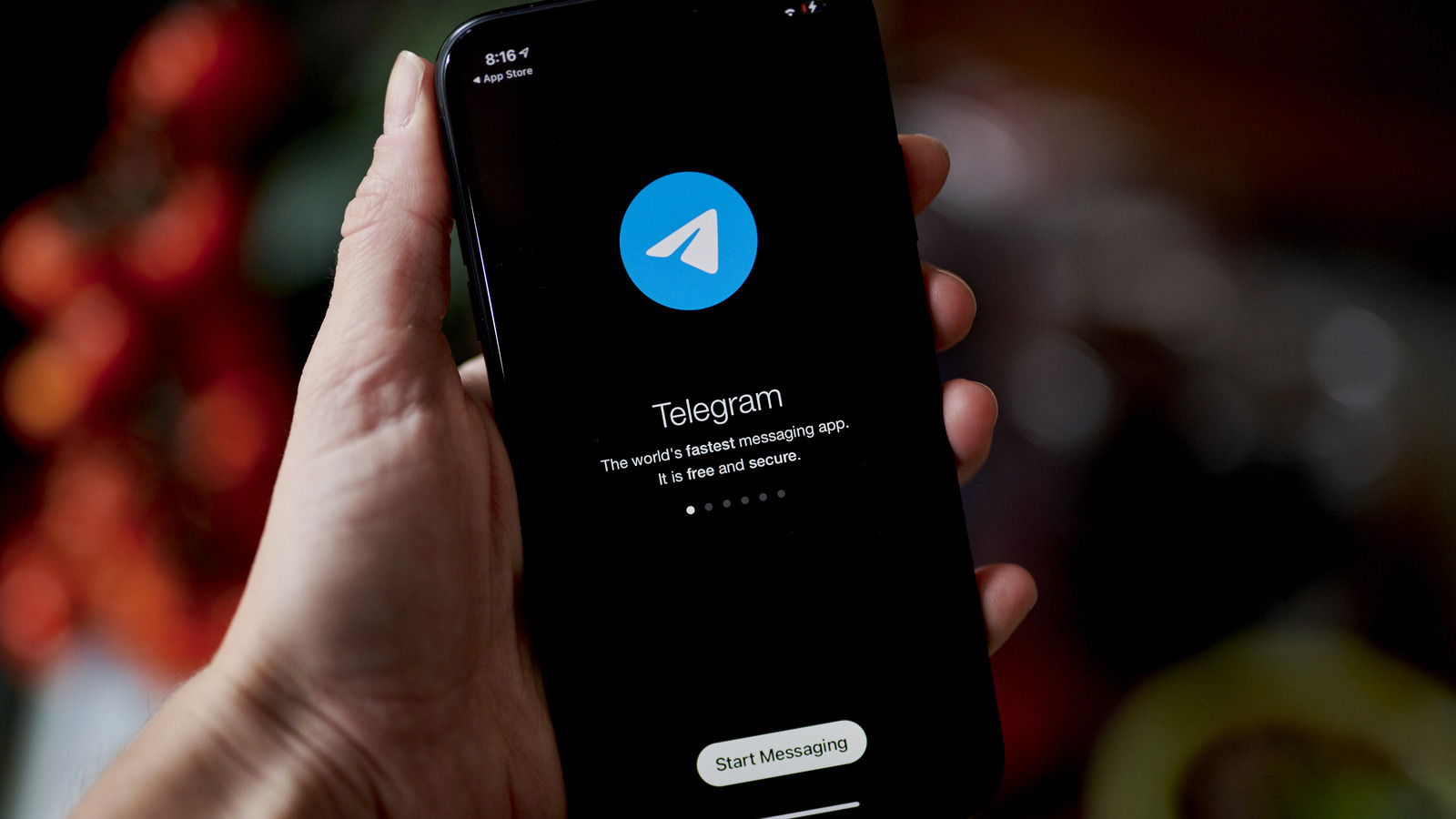
      UK Launches Probe Into Telegram Over Child Exploitation Concerns

      4 Mins Read
      Facebook Twitter Pinterest LinkedIn Tumblr Email
      Share
      Facebook Twitter LinkedIn Pinterest Email

      British regulators have opened a formal investigation into the messaging platform Telegram following mounting evidence that child sexual abuse material may be circulating on the service, raising fresh questions about whether large tech platforms are adequately policing illegal content under the country’s Online Safety Act. The inquiry, initiated by the UK’s communications watchdog after receiving intelligence from child protection organizations, will examine whether Telegram has failed to meet its legal obligations to detect, remove, and prevent the spread of such material, with potential consequences including heavy financial penalties or even restrictions on access within the UK. While Telegram denies the allegations and maintains it has invested heavily in moderation tools and enforcement partnerships, authorities argue that the scale and persistence of harmful content—often distributed through encrypted channels and sometimes monetized—demonstrate systemic weaknesses in oversight. The probe reflects a broader push by Western governments to hold digital platforms accountable for content hosted within their ecosystems, particularly where minors are concerned, and signals an increasingly aggressive regulatory posture toward companies that emphasize privacy and decentralization over centralized moderation.

      Sources

      https://www.reuters.com/world/uk/uk-regulator-investigates-telegram-over-child-sexual-abuse-concerns-2026-04-21/
      https://www.theguardian.com/technology/2026/apr/21/uk-watchdog-to-investigate-telegram-over-alleged-child-sexual-abuse-material
      https://www.ofcom.org.uk/online-safety/illegal-and-harmful-content/investigation-into-the-provider-of-telegram-and-its-compliance-with-duties-to-protect-users-from-illegal-content-under-the-online-safety-act-2023

      Key Takeaways

      • UK regulators are escalating enforcement of online safety laws, signaling that messaging platforms—especially those emphasizing encryption—will no longer be given latitude when illegal content is alleged.
      • Evidence from independent child protection organizations played a central role in triggering the investigation, highlighting the growing influence of outside watchdogs in shaping regulatory action.
      • Telegram’s defense underscores a broader ideological conflict between privacy-focused platforms and governments demanding more aggressive content moderation and accountability.

      In-Depth

      The United Kingdom’s move to investigate Telegram marks a pivotal moment in the evolving relationship between governments and large-scale digital communication platforms. At its core, the issue is not simply about one app or even one category of criminal content—it is about control, responsibility, and the limits of digital privacy in a world where bad actors exploit open systems.

      The investigation stems from evidence indicating that illegal material, including child exploitation content, may be circulating within Telegram’s network of channels and groups. Regulators are now tasked with determining whether the company has implemented sufficient safeguards to prevent such abuse, as required under the Online Safety Act. That law, passed with considerable political momentum, reflects a broader Western shift toward holding platforms legally accountable for user-generated content—something that, until recently, tech companies often sidestepped by positioning themselves as neutral intermediaries.

      What makes Telegram a particularly contentious case is its structure and philosophy. Unlike more centralized platforms, Telegram has long marketed itself as privacy-focused, with encrypted messaging and loosely moderated group channels. While that approach appeals to users wary of surveillance or censorship, critics argue it also creates fertile ground for illicit activity. Investigations have identified networks of users sharing illegal material, sometimes even monetizing access through subscription-based channels—a development that underscores how criminal ecosystems adapt quickly to new technology.

      Telegram, for its part, has pushed back forcefully. The company insists it has invested heavily in detection algorithms and partnerships aimed at eliminating abusive content, claiming significant progress over the past several years. It has also framed the investigation as part of a broader trend that could undermine free expression and privacy rights, suggesting that aggressive regulation risks overreach.

      Still, the pressure on platforms is unlikely to ease. Governments across Europe and beyond are moving in tandem, adopting stricter standards and signaling that failure to comply will carry real consequences. The UK’s approach—combining regulatory scrutiny with the threat of financial penalties or operational restrictions—represents a model that other nations are watching closely.

      In practical terms, this case will test whether modern regulatory frameworks can meaningfully influence global tech companies, especially those headquartered outside national jurisdictions. More broadly, it raises a fundamental question: in the digital age, who ultimately bears responsibility for what happens on a platform—the users, the company, or the state?

      Intel
      Share. Facebook Twitter Pinterest LinkedIn Tumblr Email
      Previous ArticleAI Agents Trigger Cost Crisis As Tech Firms Abandon Flat-Rate Pricing Models
      Next Article Beijing’s Sweeping Drone Restrictions Spark Industry Concerns and Economic Fallout

      Related Posts

      Google Warns Autonomous AI Cyberattacks Have Arrived, Threatening U.S. Cybersecurity

      November 21, 2026

      Federal Reserve Warns AI Agents Could Trigger Bank Runs in Minutes, Threatening Financial Stability

      November 21, 2026

      Paris Hilton Joins Bipartisan Push for DEFIANCE Act to Let AI Deepfake Victims Sue

      November 21, 2026

      Australia’s Greens Push 12-Month Smart Glasses Import Ban Over Privacy and Surveillance Concerns

      November 21, 2026
      Add A Comment
      Leave A Reply Cancel Reply

      Editors Picks

      Australia’s Greens Push 12-Month Smart Glasses Import Ban Over Privacy and Surveillance Concerns

      November 21, 2026

      CISA Warns Critical Java4Shell Security Flaw Could Allow Hackers to Hijack Computer Systems

      November 21, 2026

      Apple Pay, iCloud and App Store Outage Disrupts Thousands After Internal System Update

      November 20, 2026

      FAA’s $875 Million AI Air Traffic System Faces Scrutiny After Nationwide Flight Ground Stop

      November 19, 2026
      Popular Topics
      Samsung Software Taiwan Tech Series B Satellite Viral Tim Cook trending SpaceX starlink Startup Satya Nadella Tesla UAE Tech Space Stocks Series A spotlight Tesla Cybertruck Sundar Pichai
      Major Tech Companies
      • Apple News
      • Google News
      • Meta News
      • Microsoft News
      • Amazon News
      • Samsung News
      • Nvidia News
      • OpenAI News
      • Tesla News
      • AMD News
      • Anthropic News
      • Elbit News
      AI & Emerging Tech
      • AI Regulation News
      • AI Safety News
      • AI Adoption
      • Quantum Computing News
      • Robotics News
      Key People
      • Sam Altman News
      • Jensen Huang News
      • Elon Musk News
      • Mark Zuckerberg News
      • Sundar Pichai News
      • Tim Cook News
      • Satya Nadella News
      • Mustafa Suleyman News
      Global Tech & Policy
      • Israel Tech News
      • India Tech News
      • Taiwan Tech News
      • UAE Tech News
      Startups & Emerging Tech
      • Series A News
      • Series B News
      • Startup News
      Tallwire
      Facebook X (Twitter) LinkedIn Threads Instagram RSS
      • AI
      • Tech
      • Business/Finance
      • Cybersecurity
      • Government
      • Legal
      • Health
      • Science
      • Academia
      • Entertainment/Communications
      • People
      • Transportation
      • Opinion
      • Press Kit
      © 2026 Tallwire. Optimized by ARMOUR Digital Marketing Agency.

      Type above and press Enter to search. Press Esc to cancel.