

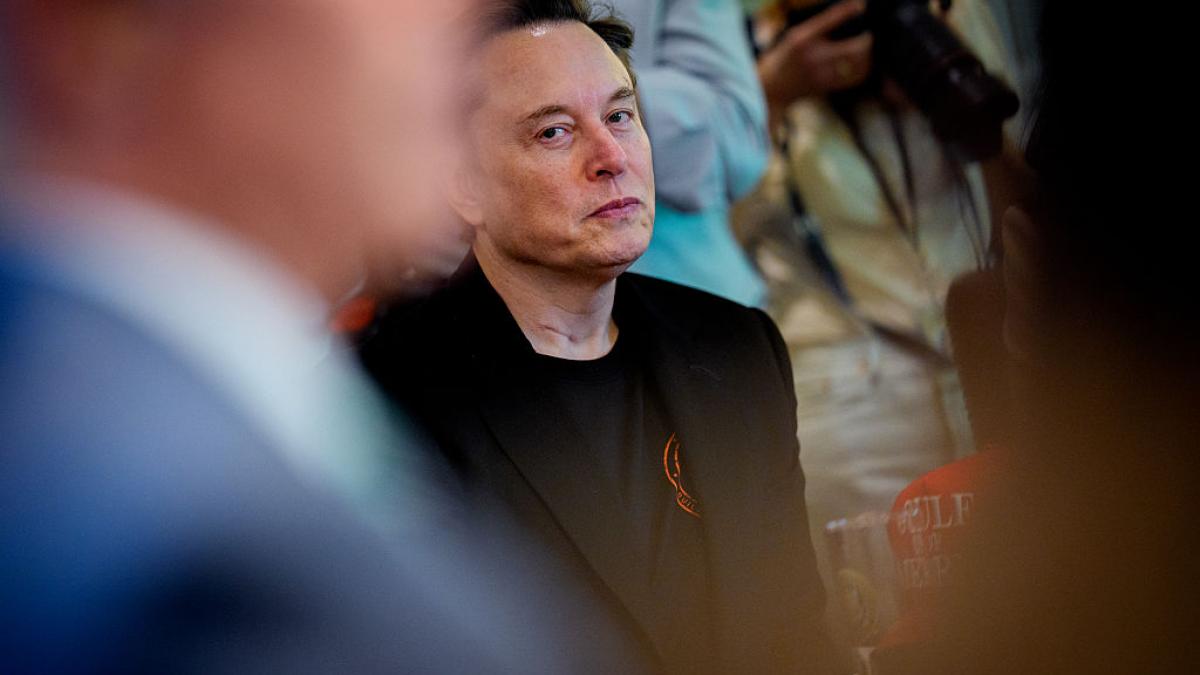
Elon Musk escalated tensions with European regulators after refusing to comply with a French prosecutorial summons tied to a sweeping investigation into his platform X, a probe centered on allegations ranging from algorithm manipulation and data practices to the spread of illegal content, including deepfakes and child exploitation material, while Musk and his company have dismissed the inquiry as politically motivated and inconsistent with American free speech principles, setting up a broader confrontation between U.S. constitutional norms and increasingly aggressive European regulatory frameworks that appear intent on asserting control over global tech platforms regardless of jurisdictional boundaries.
Sources
https://www.reuters.com/legal/litigation/musk-summoned-by-french-prosecutor-x-probe-unclear-if-he-will-comply-2026-04-20/
https://apnews.com/article/fad2e1d2eab45b0b86d6cd70bbee6952
https://www.wsj.com/business/justice-department-rebuffs-french-on-x-probe-musk-interview-2b8eb080
Key Takeaways
- French authorities are pursuing a wide-ranging investigation into X, focusing on alleged algorithmic manipulation, unlawful content distribution, and data practices tied to its AI tools.
- Musk’s refusal to appear underscores a growing divide between U.S. free speech protections and European regulatory enforcement, particularly under emerging digital governance laws.
- The dispute is escalating into a broader geopolitical and legal conflict, with U.S. officials declining cooperation and European authorities signaling continued pressure on American tech firms.
In-Depth
The standoff between Elon Musk and French prosecutors is shaping into a defining moment in the ongoing struggle over who governs the digital public square. At the center of the dispute is a French investigation into Musk’s platform X, which authorities claim may have enabled or failed to prevent serious violations, including the dissemination of illicit content and the manipulation of information through its algorithms.
Musk’s decision to ignore the summons is not merely procedural; it reflects a broader philosophical and legal clash. From an American perspective, the refusal aligns with longstanding skepticism toward foreign governments attempting to impose speech restrictions that would conflict with First Amendment principles. U.S. authorities have reportedly declined to assist the French inquiry, reinforcing the view that the case risks crossing into politically motivated regulation rather than legitimate law enforcement.
French officials, however, appear determined to assert their authority, emphasizing that companies operating within their borders must comply with domestic laws, regardless of where they are headquartered. The investigation has already included searches of X’s offices and summonses for executives, signaling a willingness to escalate enforcement if necessary.
What emerges is a deeper structural conflict: Europe’s push to regulate digital platforms more aggressively versus America’s tradition of prioritizing open expression, even when it produces uncomfortable or controversial outcomes. The Musk case may ultimately test whether global technology companies can navigate these competing legal regimes—or whether they will be forced to choose between them.