

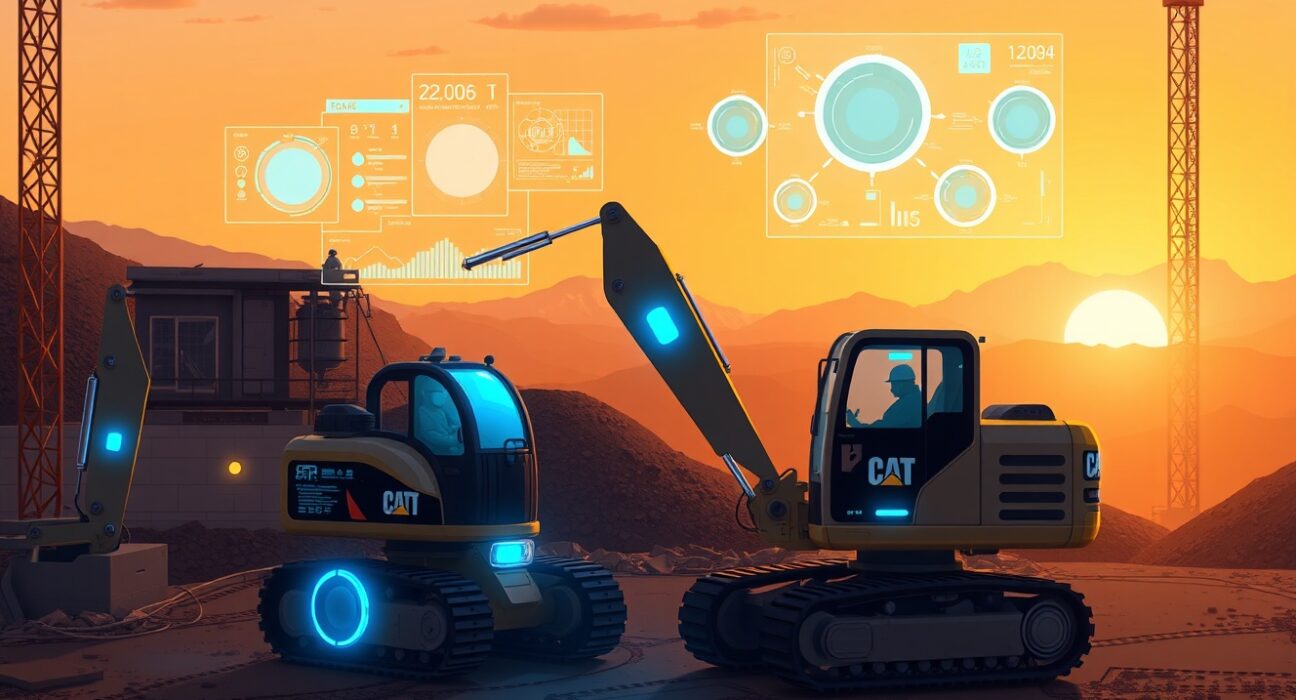
Caterpillar Inc. has moved to deepen its push into automation by acquiring a California-based startup specializing in autonomous tractor technology, signaling a broader industry shift toward replacing labor-intensive operations with scalable, tech-driven solutions in agriculture and heavy equipment sectors; the deal reflects growing pressure on manufacturers to integrate artificial intelligence and autonomy into core product lines while also raising questions about workforce displacement, supply chain efficiency, and long-term competitiveness in a rapidly evolving global market.
Sources
https://www.latimes.com/business/story/2026-04-20/caterpillar-acquires-californian-self-driving-tractor-startup
https://www.reuters.com/technology/caterpillar-bets-autonomous-machinery-growth-2026-04-20/
https://www.wsj.com/business/caterpillar-autonomous-technology-farming-construction-2026-04-20
Key Takeaways
- Caterpillar is accelerating its investment in autonomous machinery, signaling a long-term shift away from traditional labor-dependent operations.
- The acquisition underscores increasing consolidation in the ag-tech and industrial automation sectors as larger firms absorb smaller innovators.
- Adoption of self-driving equipment is likely to reshape workforce dynamics while improving efficiency and cost control across agriculture and construction industries.
In-Depth
Caterpillar’s acquisition of a California-based autonomous tractor startup is less about a single product line and more about positioning for the next phase of industrial evolution. The company is clearly betting that autonomy will not remain a niche feature but will instead become foundational to how large-scale agriculture and construction operations are conducted. That bet aligns with broader trends where labor shortages, rising costs, and regulatory pressures are pushing companies toward automation whether they are fully ready or not.
From a strategic standpoint, the move allows Caterpillar to bring emerging technology in-house rather than rely on partnerships that can dilute control and margins. By integrating autonomy directly into its equipment ecosystem, the company can offer end-to-end solutions that lock in customers and create recurring revenue streams through software, maintenance, and upgrades. That’s a far more durable model than simply selling machinery.
At the same time, there are unavoidable implications for the workforce. Autonomous tractors and heavy equipment don’t just improve efficiency—they reduce the need for skilled operators. While proponents argue this addresses labor shortages, critics point out that it accelerates displacement in sectors already under pressure. The reality likely falls somewhere in between: fewer operators, but more demand for technicians and systems managers.
Ultimately, this acquisition reflects a broader industrial recalibration. Companies that fail to embrace automation risk being left behind, while those that move early—like Caterpillar—stand to shape how entire industries function going forward.