

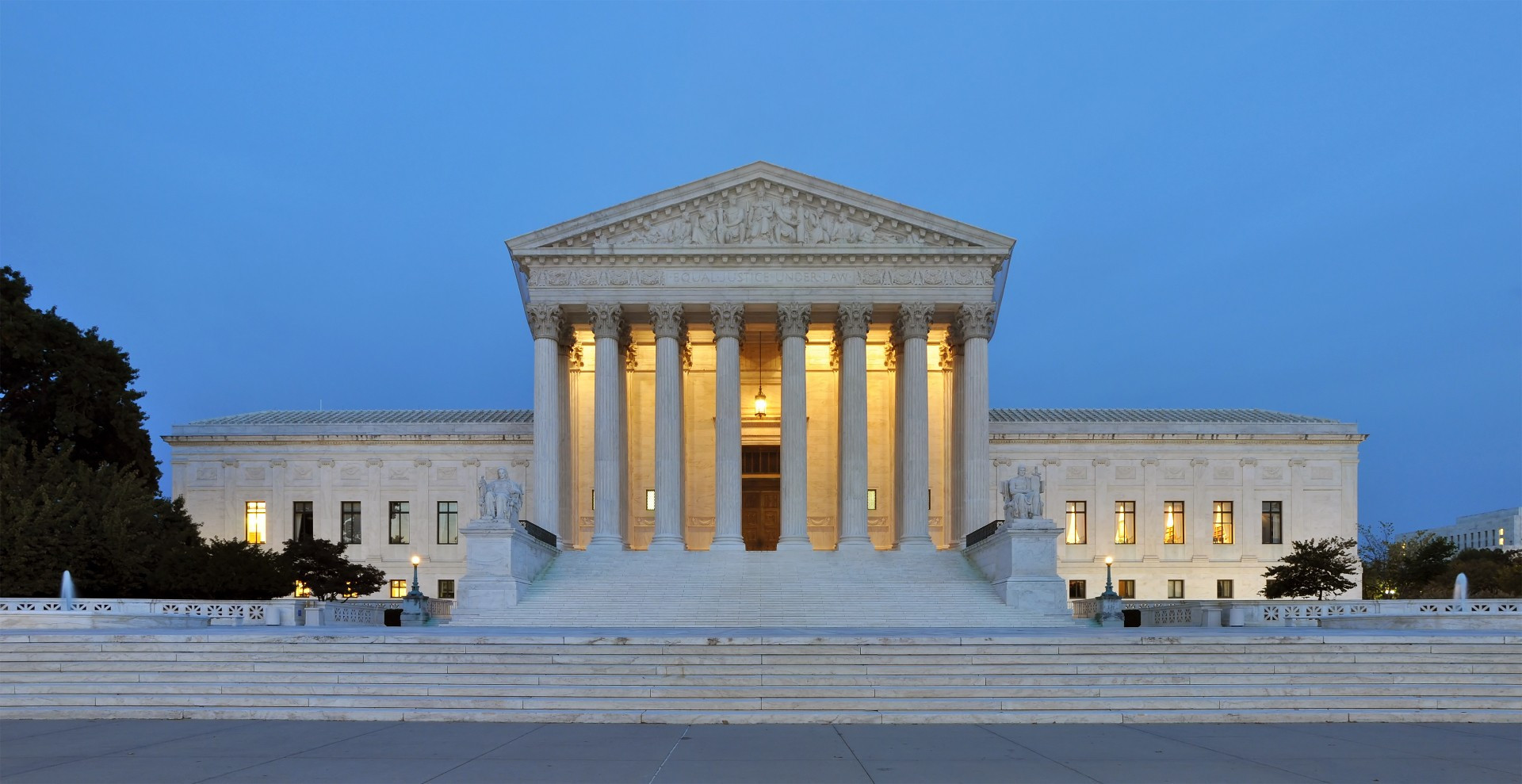
The U.S. Supreme Court is considering the constitutional limits of law enforcement’s ability to access cellphone location data to identify criminal suspects, a case that could reshape the balance between public safety and individual privacy in the digital age. At issue are so-called “geofence warrants,” which allow investigators to obtain anonymized location data from tech companies and then narrow it down to specific individuals based on proximity to a crime scene. Critics argue these tactics amount to unconstitutional digital dragnets that sweep up innocent Americans without probable cause, while law enforcement officials contend they are essential tools in solving serious crimes. The justices appeared divided, grappling with how existing Fourth Amendment protections apply to rapidly evolving surveillance technologies. The outcome could set a precedent affecting how aggressively authorities can leverage private-sector data to conduct investigations, raising broader questions about government overreach and the erosion of personal privacy in an era dominated by smartphones and data collection.
Sources
https://www.reuters.com/legal/us-supreme-court-considers-limits-phone-location-searches-2026-04-19/
https://apnews.com/article/supreme-court-phone-searches-geofence-warrants-privacy-4th-amendment-2026
https://www.scotusblog.com/2026/04/justices-debate-constitutionality-of-geofence-warrants-in-criminal-probes/
Key Takeaways
- The Supreme Court is evaluating whether geofence warrants violate the Fourth Amendment by collecting data on individuals without individualized suspicion.
- Law enforcement argues that access to bulk location data is critical for solving crimes, while civil liberties advocates warn of unchecked surveillance.
- The ruling could significantly redefine digital privacy rights and set nationwide standards for how police use technology in investigations.
In-Depth
The case before the Supreme Court highlights a fundamental tension that has been building for years: how to reconcile the Constitution’s protections against unreasonable searches with the realities of a data-driven world. At the center of the debate are geofence warrants, a relatively new investigative tool that allows authorities to request location data from tech companies for all devices within a certain geographic area during a specific time window. From there, investigators can sift through the data to identify potential suspects.
Supporters of the practice argue that this method is both efficient and necessary. In an age where criminals frequently rely on digital tools, limiting access to such data could hinder law enforcement’s ability to solve serious offenses, including violent crimes. They contend that safeguards already exist in the warrant process and that courts can impose reasonable limits without outright banning the practice.
Opponents, however, see something far more troubling. They argue that geofence warrants invert the traditional standard of probable cause by casting a wide net first and identifying suspects later. This approach, critics say, risks treating every citizen as a potential suspect simply because they happened to be in the wrong place at the wrong time. From a constitutional standpoint, that raises serious concerns about government overreach and the erosion of individual liberties.
The justices’ questions suggest a court wrestling with these competing priorities. Some appear wary of granting the government broad new powers in the absence of clear limits, while others seem focused on ensuring law enforcement retains effective tools. The decision, when it comes, is likely to reverberate far beyond this single case, shaping the boundaries of privacy and policing for years to come.