

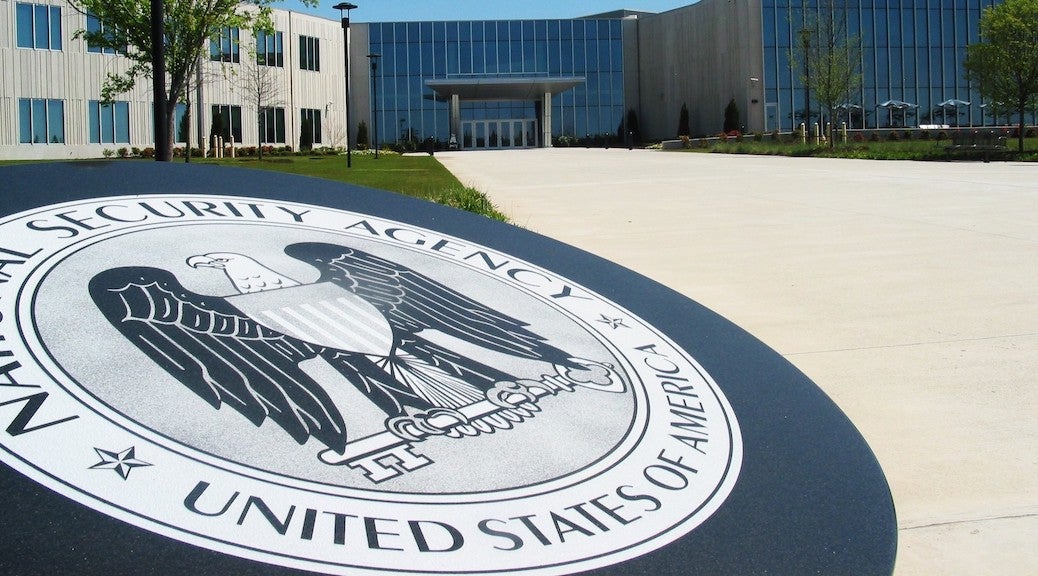
A report indicates that elements within U.S. intelligence have adopted advanced commercial artificial intelligence systems—specifically a model developed by a private firm—despite ongoing tensions within defense leadership over procurement, oversight, and operational control. The development highlights a widening gap between intelligence agencies seeking rapid deployment of cutting-edge tools and defense officials pushing for tighter controls, standardization, and security vetting. The situation underscores broader questions about how quickly emerging AI capabilities should be integrated into national security workflows, especially when those capabilities originate outside traditional government channels. While proponents argue that operational advantages demand immediate adoption, critics warn that fragmented implementation risks security vulnerabilities, inconsistent doctrine, and reduced accountability in sensitive intelligence activities.
Sources
https://techcrunch.com/2026/04/20/nsa-spies-are-reportedly-using-anthropics-mythos-despite-pentagon-feud/
https://www.reuters.com/technology/us-intelligence-agencies-expand-ai-use-national-security-2026-04-19/
https://www.bloomberg.com/news/articles/2026-04-20/us-defense-ai-adoption-tensions-intelligence-agencies
Key Takeaways
- Intelligence agencies are moving faster than defense leadership in adopting commercial AI tools, creating internal friction over control and oversight.
- Reliance on private-sector AI systems raises concerns about security, consistency, and long-term strategic dependence.
- The situation reflects a broader struggle within government on balancing innovation speed with institutional safeguards.
In-Depth
What’s unfolding here is less about a single AI tool and more about a structural divide inside the national security apparatus. Intelligence agencies, by design, prioritize agility and operational advantage. When a capability exists that can accelerate analysis, improve signal detection, or enhance decision-making, they tend to move quickly—sometimes ahead of formal policy frameworks. That appears to be exactly what’s happening with the adoption of commercial AI systems.
On the other side, defense leadership is tasked with maintaining uniform standards across a sprawling and highly sensitive ecosystem. That includes ensuring that any deployed technology meets strict cybersecurity requirements, integrates cleanly with existing infrastructure, and does not introduce unknown risks. From that perspective, the intelligence community’s willingness to adopt external AI tools without full alignment looks less like innovation and more like fragmentation.
The deeper issue is dependency. When critical capabilities are sourced from private companies, the government potentially cedes a degree of control. That includes everything from model updates to data handling practices. Even if safeguards are in place, the long-term implications are hard to ignore. Strategic autonomy becomes harder to maintain when core tools are not built, owned, or fully governed internally.
At the same time, delaying adoption carries its own risks. Adversaries are not waiting for bureaucratic consensus. They are investing heavily in similar technologies, and any hesitation could translate into a real-world intelligence gap. That tension—between speed and control—is not going away. It is likely to define how AI is integrated into national security for years to come.