

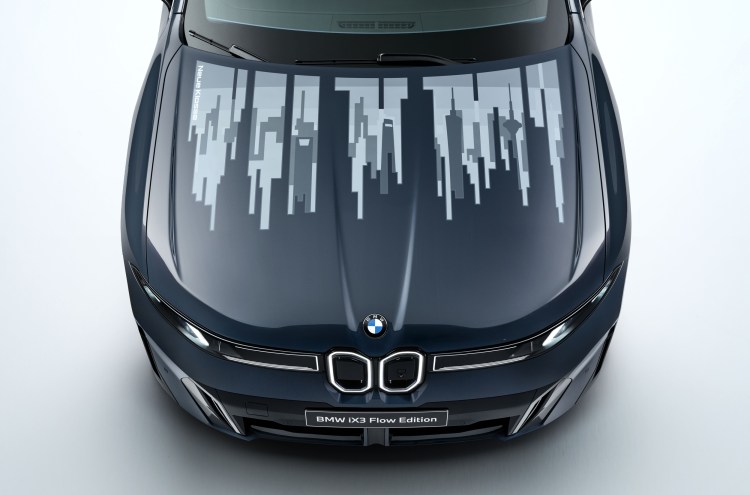
BMW has introduced a futuristic concept version of its iX3 SUV featuring advanced E Ink technology that allows the vehicle’s exterior to change colors dynamically, signaling a broader push toward personalization and energy efficiency in automotive design; showcased at the Beijing Auto Show, the concept demonstrates how digital surfaces could reduce heat absorption, improve efficiency, and give drivers unprecedented control over their vehicle’s appearance, though the technology remains experimental and faces questions around durability, cost, and real-world practicality before any widespread commercial rollout.
Sources
https://www.theverge.com/tech/918216/bmw-ix3-flow-edition-concept-car-2026-beijing-auto-show-e-ink-color-changing
https://www.reuters.com/business/autos-transportation/bmw-showcases-color-changing-car-technology-beijing-auto-show-2026-04-24/
https://www.caranddriver.com/news/a60532111/bmw-ix3-flow-concept-color-changing-e-ink/
Key Takeaways
- BMW’s E Ink exterior technology allows vehicles to shift colors dynamically, offering both aesthetic customization and potential efficiency gains through temperature management.
- The concept reflects a broader industry trend toward digital integration and personalization, though significant technical and cost barriers remain before mass adoption.
- Automakers are increasingly experimenting with attention-grabbing innovations to differentiate electric vehicles in a competitive global market.
In-Depth
BMW’s unveiling of the color-changing iX3 concept underscores how automakers are pushing beyond traditional engineering boundaries and into the realm of digital expression. The integration of E Ink technology into a vehicle’s exterior represents more than a flashy gimmick—it is an attempt to merge form and function in a way that aligns with evolving consumer expectations. By allowing drivers to alter the vehicle’s color on demand, BMW is tapping into a desire for personalization that has long been constrained by the permanence of automotive paint.
At the same time, the company is positioning this technology as a practical innovation. Lighter colors reflect sunlight, potentially reducing the need for air conditioning, while darker tones absorb heat in colder environments. In theory, this could translate into marginal efficiency gains, particularly relevant for electric vehicles where energy conservation directly affects range. Still, the leap from controlled demonstrations to real-world reliability is substantial. Questions around durability, weather resistance, and repair costs are not trivial, and they highlight the gap between concept and consumer-ready product.
The broader implication is that automakers are increasingly competing not just on performance and price, but on technological novelty. In a crowded electric vehicle market, differentiation has become essential. BMW’s approach signals a willingness to experiment boldly, but it also raises a familiar concern: whether such innovations serve genuine consumer needs or simply add complexity. As the industry continues its rapid evolution, the challenge will be balancing innovation with practicality—ensuring that new features enhance ownership rather than complicate it.