

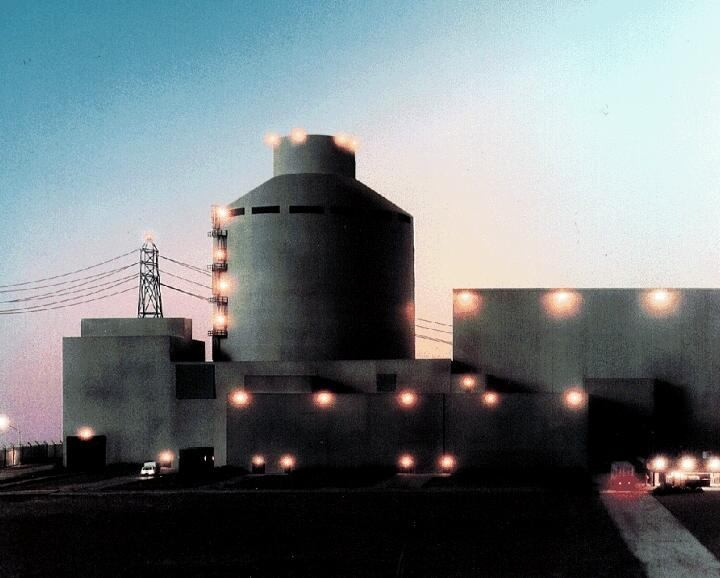
A renewed global push toward nuclear energy is taking shape as governments reassess energy security, grid reliability, and carbon reduction goals, marking a stark reversal from the decades-long skepticism that followed the 1986 Chernobyl disaster. Nations across Europe, Asia, and North America are extending the life of existing reactors, investing in next-generation small modular reactors, and reconsidering previously shuttered nuclear programs amid rising energy demand and geopolitical instability affecting fossil fuel supply chains. Policymakers are increasingly framing nuclear power as a necessary complement to intermittent renewable sources like wind and solar, particularly as electrification accelerates across transportation and industry. While critics continue to raise concerns about safety, waste disposal, and high upfront costs, supporters argue that modern reactor designs and stricter regulatory frameworks significantly mitigate past risks, positioning nuclear energy as a pragmatic and reliable cornerstone in long-term energy planning.
Sources
https://www.latimes.com/business/story/2026-04-23/nuclear-energy-is-having-global-revival-40-years-after-chernobyl
https://www.reuters.com/business/energy/global-nuclear-power-revival-gains-pace-amid-energy-security-push-2026-04-20/
https://www.bloomberg.com/news/articles/2026-04-18/nuclear-power-sees-renewed-interest-as-countries-seek-energy-stability
Key Takeaways
- Governments are prioritizing nuclear energy as a stable, low-emission power source to complement renewables and ensure grid reliability.
- Advances in reactor technology, particularly small modular reactors, are driving renewed investment and political support.
- Energy security concerns tied to geopolitical instability are accelerating the shift back toward nuclear infrastructure.
In-Depth
The resurgence of nuclear energy is not happening in a vacuum; it reflects a broader recalibration of priorities driven by hard realities rather than ideological preferences. For decades, nuclear power was sidelined in favor of cheaper fossil fuels and, more recently, heavily subsidized renewable energy initiatives. But as energy demand surges and grid stability becomes an increasingly urgent concern, policymakers are being forced to confront the limitations of relying too heavily on intermittent sources.
What is emerging is a more balanced, if overdue, recognition that nuclear power offers a level of reliability that wind and solar alone cannot provide. Unlike renewables, nuclear plants operate continuously, delivering consistent baseload power regardless of weather conditions. This reliability is proving essential as nations push toward electrification in sectors like transportation and manufacturing, where interruptions in power supply carry significant economic consequences.
At the same time, technological advancements are reshaping the conversation. Small modular reactors, which are cheaper to build and easier to deploy than traditional large-scale plants, are attracting both public and private investment. These innovations promise to address longstanding concerns about cost overruns and construction delays, while also incorporating enhanced safety features that reduce the risk of catastrophic failure.
Still, the path forward is not without friction. Regulatory hurdles, public skepticism, and unresolved questions about nuclear waste disposal remain significant obstacles. Yet, the broader trend is unmistakable: in a world increasingly defined by energy uncertainty and geopolitical volatility, nuclear power is being reconsidered not as a relic of the past, but as a necessary pillar of the future energy mix.