

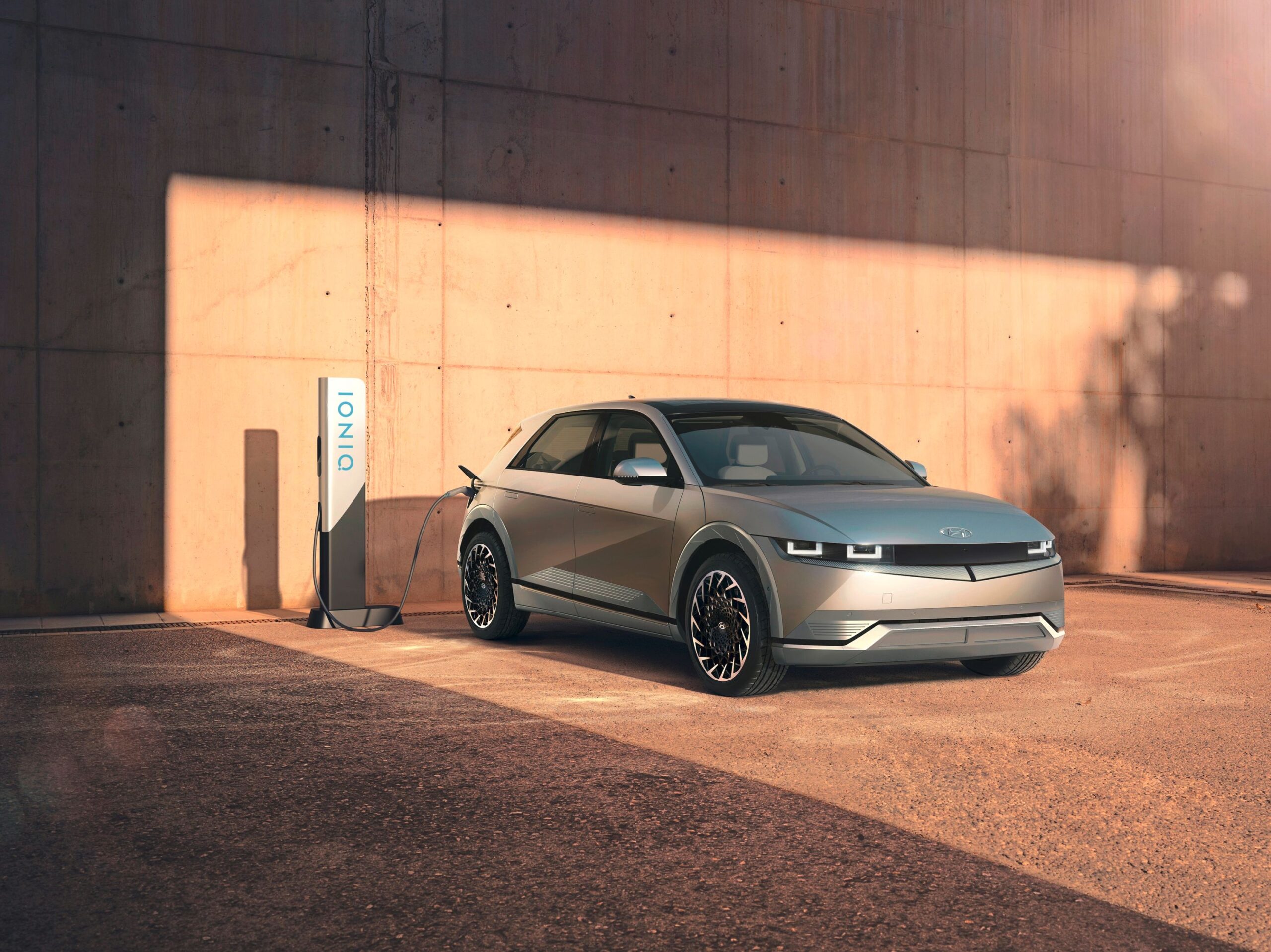
A sharp surge in off-lease electric vehicles is poised to flood the U.S. used-car market in 2026, creating a buyer’s market defined by falling prices, weakened resale values, and growing skepticism about the long-term economics of electric vehicle ownership. After years of aggressive leasing driven by subsidies and artificially low monthly payments, hundreds of thousands of relatively new EVs are now returning to dealerships, dramatically increasing supply. Analysts expect this influx to push prices down and expose underlying demand weaknesses, particularly as federal incentives fade and consumers grow more cautious about battery longevity and depreciation. While this presents opportunities for cost-conscious buyers, it also underscores broader structural issues in the EV market—namely, inflated expectations, heavy reliance on government support, and uncertain long-term value retention.
Sources
https://recharged.com/articles/used-ev-market-trends-2026
https://www.zeta.org/insights/used-market-provides-ev-opportunity-in-2026
https://finance.yahoo.com/news/why-used-evs-may-be-the-answer-for-americans-looking-for-affordable-cars-133000113.html
Key Takeaways
- A massive wave of lease returns—potentially hundreds of thousands of vehicles—is driving a sharp increase in used EV supply.
- Oversupply is putting downward pressure on prices, making used EVs more affordable but undermining resale values.
- The shift highlights structural weaknesses in the EV market, including reliance on incentives and uncertain long-term consumer demand.
In-Depth
The coming wave of used electric vehicles is less a sign of healthy market expansion and more a predictable consequence of policy-driven distortions finally working their way through the system. For several years, automakers and policymakers leaned heavily on leasing as a mechanism to accelerate EV adoption. Subsidies and tax incentives helped artificially lower monthly payments, encouraging consumers to treat EVs less as long-term investments and more as short-term experiments. Now, those leases are expiring, and the market is being forced to absorb the consequences.
Estimates suggest that anywhere from roughly 200,000 to as many as 500,000 electric vehicles could come off lease in 2026 alone, a dramatic jump from prior years. That kind of supply shock would strain any segment of the automotive market, but it is particularly impactful in the EV space, where consumer confidence is still evolving. Unlike traditional vehicles, used EVs carry unique concerns—battery degradation, replacement costs, and uncertain long-term reliability—that make buyers more cautious.
The result is a classic imbalance: too many vehicles chasing too few committed buyers. Prices are already responding accordingly, with many non-Tesla models seeing declines while inventory continues to build. For consumers willing to accept the trade-offs, this environment offers a rare opportunity to purchase relatively new technology at steep discounts. But for manufacturers, leasing companies, and original owners, the picture is far less favorable. Depreciation is accelerating, and the expectation that EVs would hold value comparable to—or better than—internal combustion vehicles is being challenged.
More broadly, this moment exposes a deeper issue: the EV market’s dependence on policy support rather than organic demand. As incentives fade and economic pressures mount, the true appetite for electric vehicles is being tested in real time. The used market, often a more honest reflection of consumer sentiment, suggests that enthusiasm may be more conditional than previously advertised.