

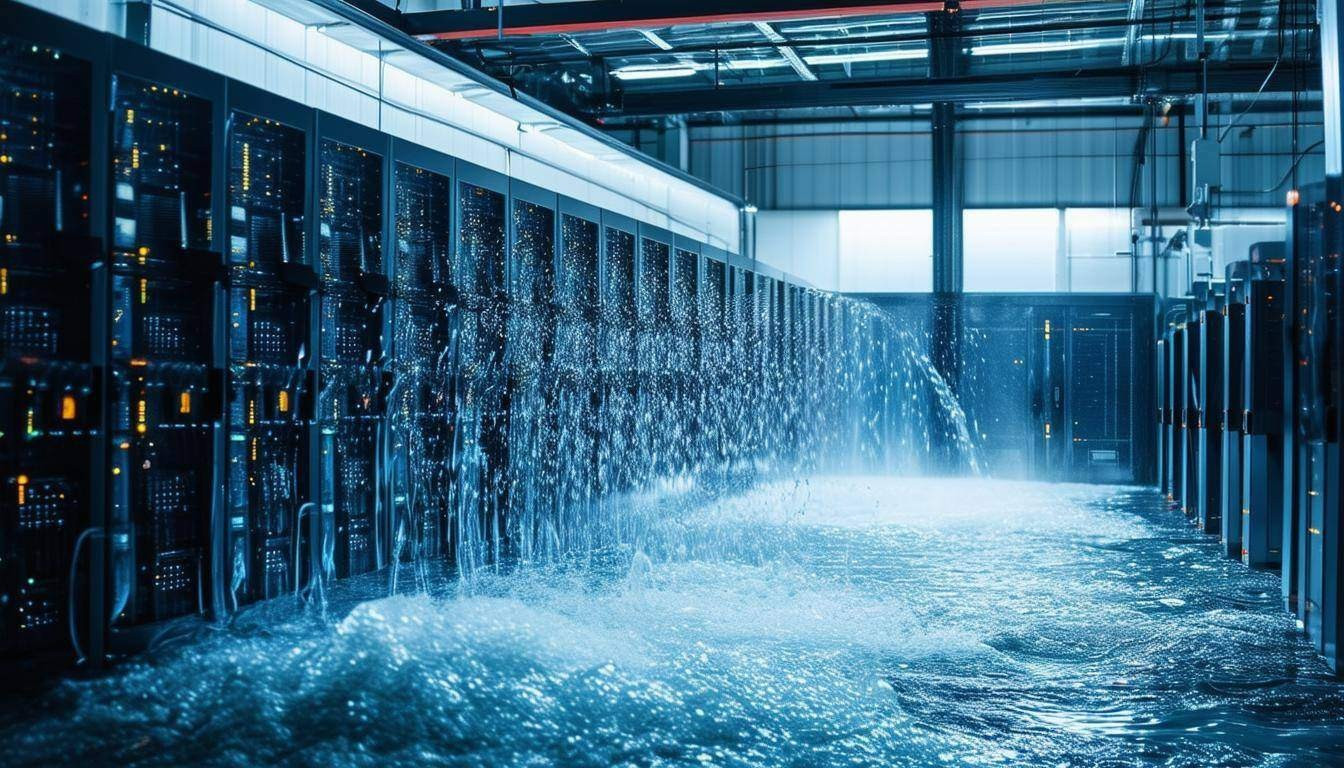
As computing demands surge from AI workloads and high-density servers, operators are increasingly weighing whether to shift from traditional air-cooled data centers to water-cooled systems, with the latter offering superior thermal efficiency, reduced energy consumption, and better support for next-generation hardware, though the transition carries significant upfront costs, infrastructure redesign challenges, and operational complexity that require careful cost-benefit analysis rather than a wholesale rush to overhaul existing facilities.
Sources
https://www.itpro.com/infrastructure/data-centres/is-it-worth-moving-from-an-air-cooled-data-center-to-a-water-cooled-one
https://www.datacenterdynamics.com/en/analysis/liquid-cooling-vs-air-cooling-data-centers/
https://www.techtarget.com/searchdatacenter/tip/Liquid-cooling-vs-air-cooling-in-the-data-center
https://www.vertiv.com/en-us/about/news-and-insights/articles/blog-posts/liquid-cooling-data-centers-what-you-need-to-know/
Key Takeaways
- Water cooling systems are significantly more efficient at handling high-density computing loads, especially those driven by AI and advanced processing needs.
- Transitioning from air to water cooling requires substantial capital investment and infrastructure redesign, making it impractical for many legacy facilities.
- Hybrid approaches are emerging as a pragmatic solution, allowing operators to balance efficiency gains with cost control and operational continuity.
In-Depth
The push toward water-cooled data centers is not happening in a vacuum. It’s being driven by a fundamental shift in how computing power is used and demanded. Artificial intelligence workloads, high-performance computing, and dense server configurations are pushing traditional air-cooling systems to their limits. Air, quite simply, is no longer as efficient at removing heat when server racks are packed tighter and processors run hotter. Water, by contrast, absorbs heat far more effectively, making it an attractive alternative for operators seeking to maintain performance without exponentially increasing energy consumption.
However, the appeal of water cooling comes with real-world trade-offs that demand disciplined evaluation. Retrofitting an existing air-cooled facility is neither cheap nor simple. It often requires reengineering the physical layout, installing new piping systems, and implementing safeguards against leaks and system failures. For organizations that have already invested heavily in air-cooled infrastructure, the financial burden alone can outweigh the efficiency gains, at least in the short to medium term. This is where a more measured approach tends to prevail, especially among operators focused on maintaining profitability and avoiding unnecessary risk.
There’s also the operational complexity to consider. Water-cooled systems introduce new variables—fluid management, corrosion control, and maintenance protocols—that don’t exist in traditional setups. These factors require specialized expertise, and that expertise doesn’t come free. While proponents of aggressive modernization argue that the long-term energy savings justify the shift, more cautious voices point out that not every facility is operating at the scale where those savings materialize quickly enough to matter.
That’s why hybrid strategies are gaining traction. Instead of abandoning air cooling entirely, many data center operators are selectively deploying liquid cooling in high-density zones while retaining air systems elsewhere. This allows them to capture efficiency improvements where they’re most needed without taking on the full financial and operational burden of a complete overhaul. It’s a pragmatic middle ground—one that reflects a broader reality in infrastructure decisions: the smartest move is rarely the most radical one, but the one that balances innovation with fiscal discipline.