

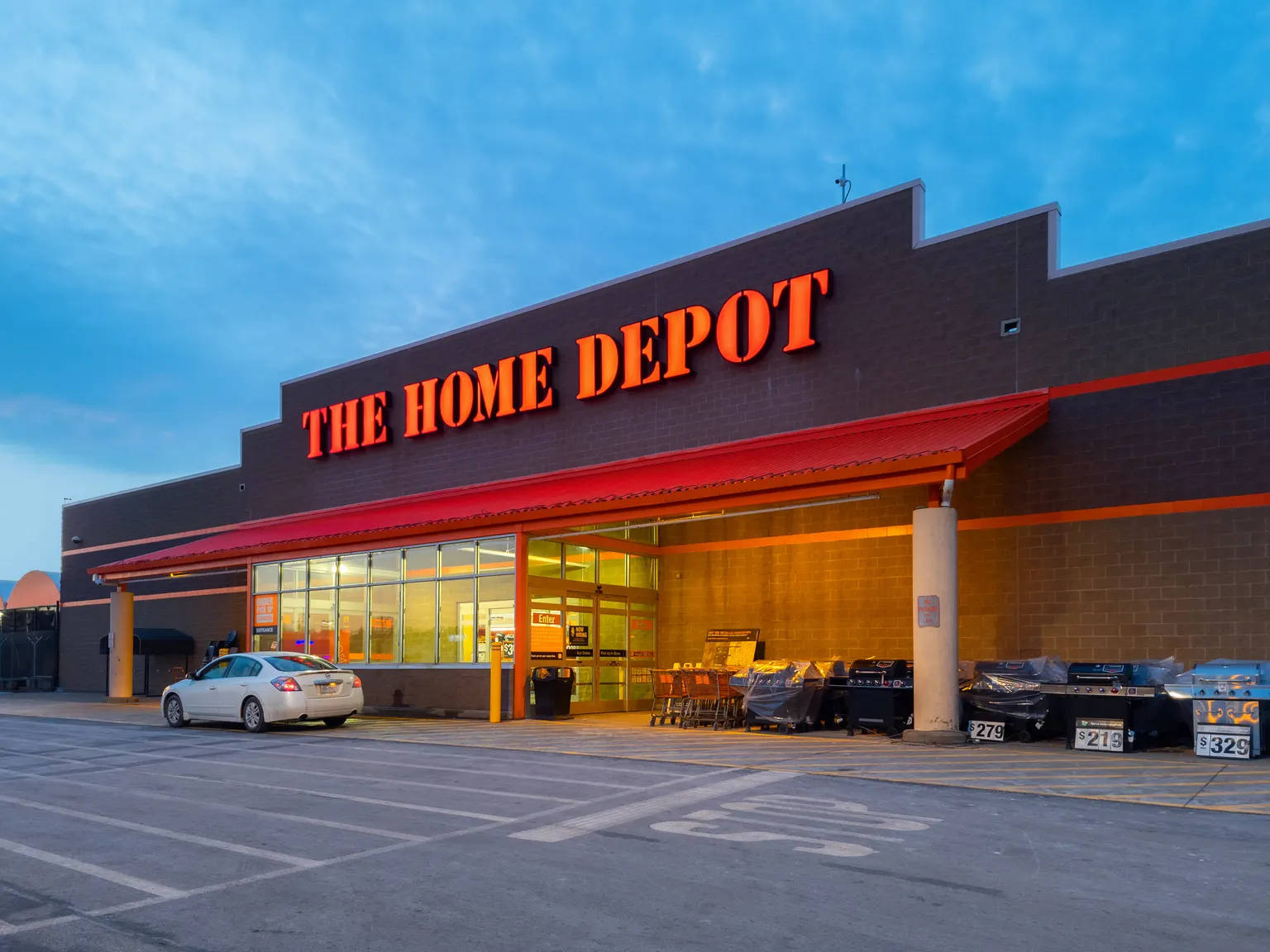
Home Depot is reportedly eliminating its traditional in-store customer service desks in favor of a more decentralized, self-service-focused approach, signaling a broader retail shift toward automation and labor efficiency. The move aims to streamline store layouts, reduce overhead costs, and align with evolving consumer behaviors that increasingly favor digital tools and quicker, less interaction-heavy shopping experiences. While some customers may appreciate the efficiency, others—particularly those needing complex assistance—could find the transition frustrating, raising questions about the balance between operational efficiency and personalized service in modern retail.
Sources
https://nypost.com/2026/04/23/lifestyle/home-depot-says-bye-to-a-traditional-customer-service-feature/
https://www.cnbc.com/2024/11/14/home-depot-earnings-retail-strategy-shift.html
https://www.retaildive.com/news/home-depot-store-operations-self-checkout-customer-service/709845/
Key Takeaways
- Home Depot is moving away from centralized customer service desks toward distributed, self-service solutions throughout stores.
- The shift reflects a broader retail trend prioritizing efficiency, automation, and reduced labor costs.
- Customers requiring personalized or complex assistance may experience reduced service quality as human interaction points diminish.
In-Depth
Home Depot’s decision to phase out its traditional customer service desks is less about aesthetics and more about operational philosophy. The retail giant appears to be leaning into a model that prioritizes speed, cost control, and consumer autonomy over the conventional, staff-heavy approach that defined big-box retail for decades. By removing a centralized help desk, the company is effectively redistributing responsibility across the store—both to employees stationed in specific departments and to customers themselves through digital tools and self-checkout systems.
This approach aligns with a broader industry trend where labor costs, shrinkage concerns, and efficiency pressures are forcing retailers to rethink how service is delivered. The reality is that staffing a dedicated service counter requires manpower that doesn’t directly generate revenue, and in a tightening economic environment, those roles become targets for restructuring. Instead, retailers are betting that customers either prefer or will adapt to solving many of their issues independently—whether through mobile apps, kiosks, or clearer in-store navigation systems.
That said, this shift isn’t without risk. For customers tackling complex home improvement projects—often involving returns, special orders, or technical questions—the absence of a clear, centralized help point could create friction. The do-it-yourself shopper might be comfortable scanning items and checking out solo, but when something goes wrong, the lack of immediate, human assistance can quickly erode goodwill.
Ultimately, Home Depot is making a calculated tradeoff: operational efficiency and scalability versus the kind of hands-on service that built customer loyalty in the first place. Whether that gamble pays off will depend on how well customers tolerate—or embrace—the growing expectation that they handle more of the shopping experience on their own.