

Close Menu

    Subscribe to Updates

    Get the latest tech news from Tallwire.

      What's Hot

      Stripe Expands AI Ambitions With Landmark OpenRouter Acquisition

      August 21, 2026

      Australia Moves to Preserve Influential YouTube Channels as Digital Cultural Record

      August 21, 2026

      When the Machine Gets Medicine Wrong: AI Hallucinations and the Stakes for Human Health

      August 21, 2026
      Facebook X (Twitter) Instagram
      • Tech
      • AI
      • Get In Touch
      Facebook X (Twitter) LinkedIn
      TallwireTallwire
      • Tech

        Stripe Expands AI Ambitions With Landmark OpenRouter Acquisition

        August 21, 2026

        AI Medical Scribes Face Growing Scrutiny Over Hallucinated Patient Records

        August 21, 2026

        Bots Overtake Human Internet Traffic as AI-Driven Automation Reshapes the Digital Economy

        August 21, 2026

        AI-Powered Scam-Bait Network Deploys 200,000 Fake Victims Against Online Fraudsters

        August 21, 2026

        Nvidia and OpenAI Unveil Massive Ohio AI Data Center Partnership

        August 20, 2026
      • AI

        AI Medical Scribes Face Growing Scrutiny Over Hallucinated Patient Records

        August 21, 2026

        AI-Powered Scam-Bait Network Deploys 200,000 Fake Victims Against Online Fraudsters

        August 21, 2026

        Bots Overtake Human Internet Traffic as AI-Driven Automation Reshapes the Digital Economy

        August 21, 2026

        Motion Picture Association, ByteDance Reach AI Copyright Guardrails Agreement

        August 20, 2026

        Nvidia and OpenAI Unveil Massive Ohio AI Data Center Partnership

        August 20, 2026
      • Security

        AI-Powered Scam-Bait Network Deploys 200,000 Fake Victims Against Online Fraudsters

        August 21, 2026

        China’s Expanding Control Over AI Training Data Raises Global Concerns

        August 20, 2026

        Visa Expands AI Fraud Defense With $2.4 Billion Israeli Cybersecurity Acquisition

        August 20, 2026

        Trump Broadens U.S. Cyber Offensive Against Global Criminal Networks

        August 19, 2026

        Flock Safety Revises Surveillance Policies Following Nationwide Privacy Backlash

        August 17, 2026
      • Health

        AI Medical Scribes Face Growing Scrutiny Over Hallucinated Patient Records

        August 21, 2026

        Judge Clears Key Evidence for Landmark Meta Youth Safety Trial

        August 20, 2026

        Brain-Decoding AI Startup Seeks to Translate the Brain’s Electrical Language

        August 20, 2026

        AI Accelerates Search for Answers in Rare Medical Cases

        August 19, 2026

        Google Unveils Wearable Insulin Resistance Tracking in Major Health Technology Expansion

        August 18, 2026
      • Science

        AI Medical Scribes Face Growing Scrutiny Over Hallucinated Patient Records

        August 21, 2026

        Brain-Decoding AI Startup Seeks to Translate the Brain’s Electrical Language

        August 20, 2026

        AI Accelerates Search for Answers in Rare Medical Cases

        August 19, 2026

        AI Pushes Deeper Into One of Mathematics’ Greatest Unsolved Mysteries

        August 19, 2026

        Bernie Sanders Urges Immediate Halt to Advanced AI Development Amid Growing Safety Fears

        August 16, 2026
      • Tech

        Australia Moves to Preserve Influential YouTube Channels as Digital Cultural Record

        August 21, 2026

        Phoebe Gates Startup Controversy Highlights Questions About Elite Access And Market Fairness

        August 19, 2026

        AI Data Center Construction Boom Creates High-Paying Trade Jobs While Pressuring Housing Market

        August 19, 2026

        AI Chatbots Reshape Online Communication Through Self-Reinating Feedback Loops

        August 18, 2026

        Bay Area Data Center Dispute Escalates After Racism Allegations Surface

        August 16, 2026
      TallwireTallwire
      Home»Cybersecurity»OpenAI Reports No User Data Breached After Open Source Security Flaw
      Cybersecurity

      OpenAI Reports No User Data Breached After Open Source Security Flaw

      5 Mins Read
      Facebook Twitter Pinterest LinkedIn Tumblr Email
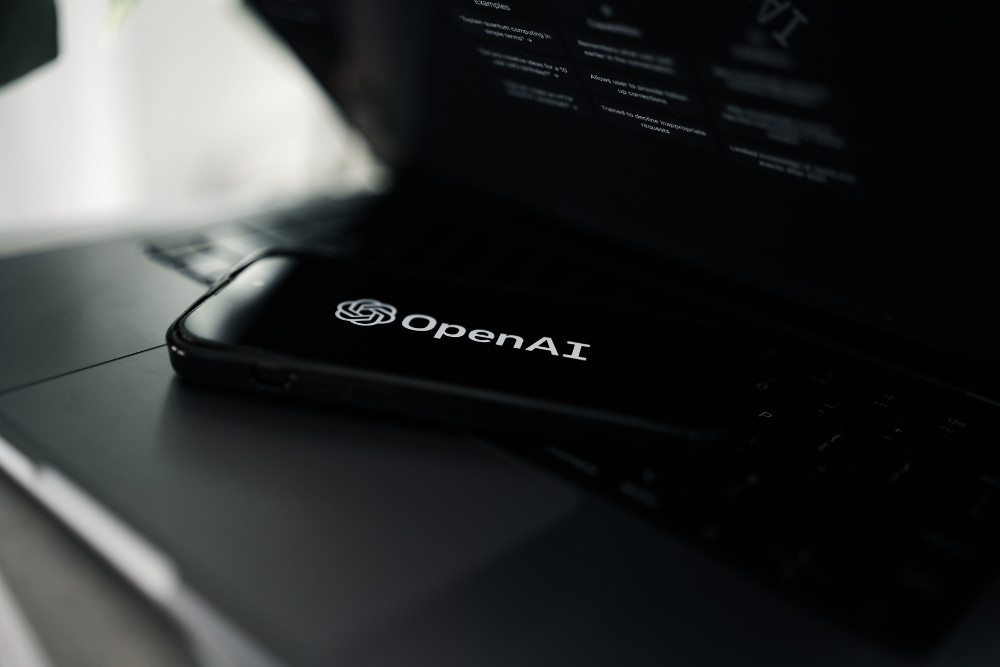
      OpenAI’s Surging Valuation Marks New Peak as Private Unicorn
      OpenAI’s Surging Valuation Marks New Peak as Private Unicorn
      Share
      Facebook Twitter LinkedIn Pinterest Email

      OpenAI disclosed that a recently identified security vulnerability tied to an open-source library used in its systems did not result in any compromise of user data, emphasizing that internal safeguards and rapid remediation prevented exposure despite the seriousness of the flaw. The issue reportedly stemmed from a widely used third-party dependency, underscoring the ongoing risks associated with open-source software in critical infrastructure, but the company maintained that its layered security protocols, monitoring systems, and prompt response ensured that sensitive user information remained protected. While the incident has reignited broader concerns about supply chain vulnerabilities in the tech ecosystem, OpenAI framed the event as a demonstration of effective risk containment rather than systemic failure, reinforcing its stance that proactive detection and mitigation are central to maintaining trust in AI platforms increasingly embedded in both consumer and enterprise environments.

      Sources

      https://www.theepochtimes.com/tech/openai-says-no-user-data-breached-after-security-issue-with-open-source-library-6026278
      https://www.reuters.com/technology/openai-security-issue-open-source-library-no-user-data-breach-2026-05-15/
      https://techcrunch.com/2026/05/15/openai-open-source-library-security-flaw-no-data-breach/

      Key Takeaways

      • OpenAI confirmed that no user data was compromised despite a vulnerability in a third-party open-source library used in its systems.
      • The incident highlights ongoing risks tied to software supply chains, particularly the reliance on widely used open-source components.
      • Rapid detection and mitigation efforts were central to preventing escalation, reinforcing the importance of layered cybersecurity defenses.

      In-Depth

      The disclosure from OpenAI that a security vulnerability tied to an open-source library did not lead to a data breach offers a revealing look into both the strengths and fragilities of modern technology infrastructure. At a time when artificial intelligence platforms are becoming deeply integrated into business operations, communications, and even personal productivity, the stakes for cybersecurity failures are significantly higher than they were even a few years ago. What stands out in this case is not just the vulnerability itself, but how it was handled—and what that says about the broader state of digital security.

      Open-source software has long been championed as a cornerstone of innovation, allowing developers to build quickly on shared frameworks and tools. But that same openness introduces risk. When a widely used library contains a flaw, the potential blast radius can be enormous, affecting countless systems simultaneously. This incident reinforces a hard truth: even the most sophisticated organizations remain dependent on code they did not write and cannot fully control. That dependency creates a persistent vulnerability that no amount of branding or market dominance can eliminate.

      From a risk management standpoint, OpenAI’s response appears to have followed a disciplined playbook. Detection, isolation, and remediation were executed quickly enough to prevent any known exploitation. That matters. In cybersecurity, timing is often the difference between a contained issue and a full-scale crisis. The fact that no user data was compromised suggests that monitoring systems were functioning as intended and that access controls were sufficiently robust to prevent lateral movement or data exfiltration.

      Still, it would be a mistake to treat this as a non-event. The absence of a breach does not negate the presence of risk. If anything, it underscores how close systems operating at scale can come to failure without the public ever realizing it. For users and businesses relying on AI tools, this serves as a reminder that trust should be grounded in performance under pressure, not just assurances in calm conditions.

      There is also a broader policy dimension worth considering. As governments and regulators continue to debate how to oversee artificial intelligence, incidents like this will inevitably factor into those discussions. The reliance on open-source components complicates accountability. When a vulnerability originates in a third-party library, responsibility becomes diffuse. That raises legitimate questions about standards, auditing requirements, and whether critical AI infrastructure should be subject to stricter supply chain scrutiny.

      At the same time, overregulation carries its own risks. The speed of innovation in AI has been driven in part by the flexibility that open ecosystems provide. Heavy-handed oversight could slow that progress, potentially ceding advantage to less transparent systems developed elsewhere. The challenge, then, is finding a balance—ensuring that companies maintain rigorous security practices without stifling the very innovation that makes these technologies valuable.

      From a user perspective, the takeaway is straightforward but important. No system is immune to vulnerabilities. What matters is how those vulnerabilities are managed. In this case, the response appears to have been competent and effective, which should offer some reassurance. But it should not lead to complacency. Organizations integrating AI into their operations would be wise to adopt a layered approach to security, assuming that upstream risks will occasionally surface and preparing accordingly.

      In the end, this episode reinforces a principle that applies far beyond any single company or technology. Security is not a static achievement; it is an ongoing process. The real measure of a system is not whether flaws exist—they always do—but whether those flaws can be identified and neutralized before they cause harm. On that front, OpenAI appears to have passed a critical test, even as the underlying challenges of the open-source ecosystem remain unresolved.

      Intel Open-Source OpenAI Software
      Share. Facebook Twitter Pinterest LinkedIn Tumblr Email
      Previous ArticleSan Francisco Pushes ‘Smart Parking’ As Cities Double Down On Digital Control
      Next Article AI Flood Threatens Credibility and Survival of the Publishing Industry

      Related Posts

      Stripe Expands AI Ambitions With Landmark OpenRouter Acquisition

      August 21, 2026

      When the Machine Gets Medicine Wrong: AI Hallucinations and the Stakes for Human Health

      August 21, 2026

      Social Media Platforms Acknowledge Under-16 Access Continues Despite Enforcement Measures

      August 21, 2026

      AI Medical Scribes Face Growing Scrutiny Over Hallucinated Patient Records

      August 21, 2026
      Add A Comment
      Leave A Reply Cancel Reply

      Editors Picks

      Stripe Expands AI Ambitions With Landmark OpenRouter Acquisition

      August 21, 2026

      AI Medical Scribes Face Growing Scrutiny Over Hallucinated Patient Records

      August 21, 2026

      Bots Overtake Human Internet Traffic as AI-Driven Automation Reshapes the Digital Economy

      August 21, 2026

      AI-Powered Scam-Bait Network Deploys 200,000 Fake Victims Against Online Fraudsters

      August 21, 2026
      Popular Topics
      Space Stocks spotlight Taiwan Tech UAE Tech SpaceX Satellite starlink Software Tesla Cybertruck Satya Nadella Tesla Viral Startup Samsung Series A Tim Cook trending Sundar Pichai Series B
      Major Tech Companies
      • Apple News
      • Google News
      • Meta News
      • Microsoft News
      • Amazon News
      • Samsung News
      • Nvidia News
      • OpenAI News
      • Tesla News
      • AMD News
      • Anthropic News
      • Elbit News
      AI & Emerging Tech
      • AI Regulation News
      • AI Safety News
      • AI Adoption
      • Quantum Computing News
      • Robotics News
      Key People
      • Sam Altman News
      • Jensen Huang News
      • Elon Musk News
      • Mark Zuckerberg News
      • Sundar Pichai News
      • Tim Cook News
      • Satya Nadella News
      • Mustafa Suleyman News
      Global Tech & Policy
      • Israel Tech News
      • India Tech News
      • Taiwan Tech News
      • UAE Tech News
      Startups & Emerging Tech
      • Series A News
      • Series B News
      • Startup News
      Tallwire
      Facebook X (Twitter) LinkedIn Threads Instagram RSS
      • Tech
      • Entertainment
      • Business
      • Government
      • Academia
      • Transportation
      • Legal
      • Press Kit
      © 2026 Tallwire. Optimized by ARMOUR Digital Marketing Agency.

      Type above and press Enter to search. Press Esc to cancel.