

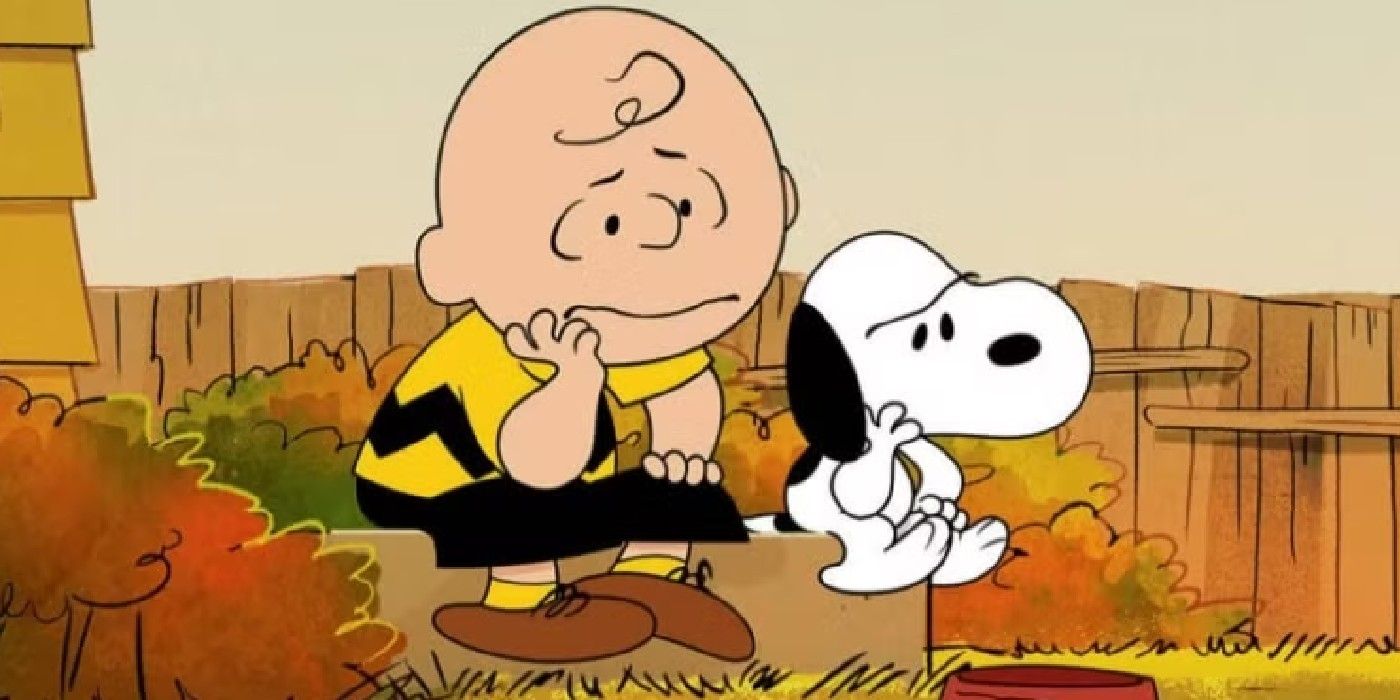
The owner of the iconic jazz soundtrack music associated with the beloved A Charlie Brown Christmas franchise has launched a sweeping legal offensive against multiple defendants, including the federal government, over what it claims is the unauthorized use of legendary composer Vince Guaraldi’s music in social media campaigns, commercial products, and a video game. The lawsuits, filed by Lee Mendelson Film Productions, allege that the Department of the Interior and several private companies exploited instantly recognizable compositions like “Linus and Lucy” and “O Tannenbaum” without proper licensing or compensation. The legal action underscores a growing pushback against the casual digital misuse of copyrighted material in an era where corporations, government agencies, and entertainment brands increasingly behave as though online content exists in a consequence-free public domain. For conservatives who have long argued that intellectual property rights are foundational to a functioning free-market economy, the lawsuits represent more than nostalgia over cartoon music—they are another example of creators and rights holders fighting back against institutional entitlement and bureaucratic disregard for ownership rights in the digital age.
Sources
https://www.reuters.com/legal/legalindustry/a-charlie-brown-christmas-maker-sues-over-music-snoopy-video-game-2026-05-20
https://apnews.com/article/8c48d0109e872a3f3e8ebfb89a4e2c92
https://www.cbsnews.com/news/peanuts-music-owner-sues-us-government-others-tunes
Key Takeaways
- Lee Mendelson Film Productions filed four separate lawsuits alleging unauthorized commercial and promotional use of classic Vince Guaraldi compositions tied to the Peanuts franchise.
- The lawsuits target both private companies and the federal government, signaling an aggressive defense of intellectual property rights even against government entities accused of improper usage.
- The legal dispute reflects broader tensions surrounding copyright enforcement in the digital era, where social media marketing and online branding campaigns increasingly blur the lines between fair use and outright appropriation.
In-Depth
There is something uniquely American about the music behind A Charlie Brown Christmas. The soft piano melodies of Vince Guaraldi have become embedded in the national culture, transcending generations and political divides alike. But familiarity does not erase ownership, and that is precisely the point at the center of the latest lawsuits filed by Lee Mendelson Film Productions.
According to the complaints, multiple defendants—including the Department of the Interior—used Guaraldi’s music without securing licenses. In one allegation, the federal government reportedly used “O Tannenbaum” from the Peanuts holiday special in a digital Christmas greeting distributed online. Other lawsuits accuse companies of exploiting “Linus and Lucy” and similar compositions in social media advertising and video game content designed to capitalize on the emotional connection Americans have with the Peanuts brand.
What makes the situation especially revealing is the apparent assumption by institutional actors that iconic cultural material can simply be borrowed because it is famous. That mentality has become increasingly common in the internet era, where digital sharing culture often collides directly with the realities of copyright law. Yet copyright protections are not meaningless technicalities; they are property rights. Conservatives have long argued that without enforceable ownership protections, markets deteriorate into systems where political power and corporate scale overwhelm individual creators and smaller rights holders.
The inclusion of the federal government among the defendants also carries symbolic weight. Washington has spent years expanding regulatory oversight into virtually every corner of commerce and media while simultaneously appearing unwilling to respect the intellectual property framework that protects creative work. If ordinary businesses are expected to comply with licensing laws, government agencies should not receive a free pass simply because they operate under bureaucratic authority.
The broader entertainment industry will be watching closely. As artificial intelligence, digital distribution, and social media continue to accelerate content replication, the legal boundaries surrounding music and media rights are becoming increasingly contested terrain. The outcome of these lawsuits may ultimately reinforce a simple but essential principle: cultural familiarity does not nullify ownership, and timeless American art still belongs to the people who created and stewarded it.