

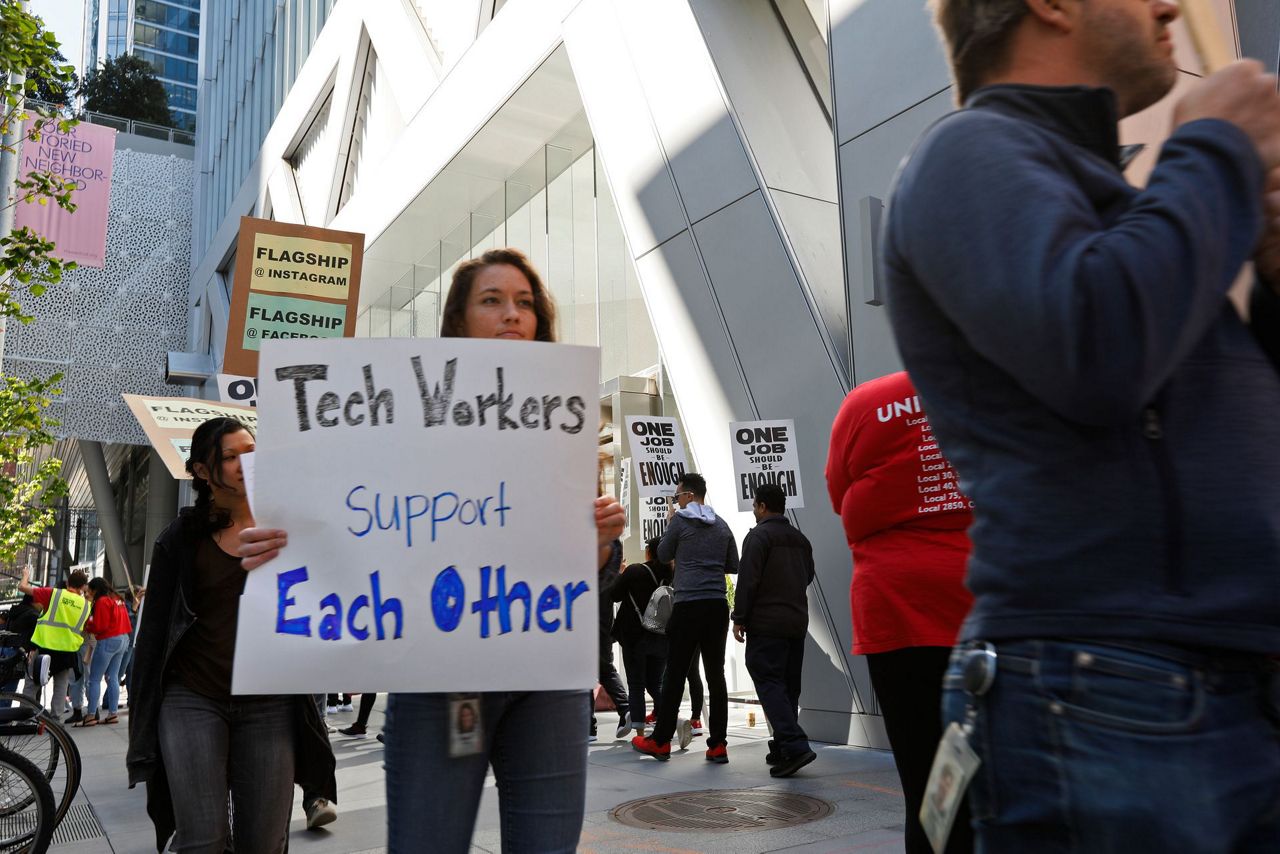
More than 2,000 information technology and technical employees across the University of California system have voted overwhelmingly to unionize, reflecting a growing backlash against the rapid implementation of artificial intelligence technologies and mounting instability in the tech employment sector. The workers — including programmers, systems analysts, and database administrators — joined the University Professional and Technical Employees union in a move that union officials say creates the largest tech-worker union in the United States. The organizing effort comes amid broader anxiety over AI-driven restructuring, layoffs, and automation throughout California’s once-unshakable tech economy. Workers are demanding stronger job protections, transparency regarding AI deployment, negotiated wage increases, and guarantees against abrupt policy shifts tied to remote work and workforce reductions. The development underscores an emerging reality conservatives have increasingly warned about for years: when corporate and institutional elites rush headlong into technological transformation without accountability or workforce safeguards, ordinary employees inevitably pay the price.
Sources
https://www.sfchronicle.com/bayarea/article/uc-tech-worker-union-california-22269143.php
https://www.sfchronicle.com/california/article/uc-strike-averted-labor-deal-22248193.php
https://www.sfchronicle.com/california/article/uc-union-open-ended-strike-planned-22206571.php
https://www.universityofcalifornia.edu/press-room/labor-negotiations
Key Takeaways
- AI-driven restructuring is no longer confined to Silicon Valley corporations and is now directly affecting public university systems and government-adjacent employment sectors.
- Workers increasingly view unionization as one of the few remaining tools capable of slowing or shaping the unchecked implementation of automation technologies that threaten job stability.
- The broader labor unrest across California’s university system reveals growing frustration over wage stagnation, housing affordability, staffing shortages, and leadership decisions perceived as disconnected from working-class realities.
In-Depth
The unionization of thousands of California university tech workers is another unmistakable sign that the artificial intelligence revolution is colliding headfirst with economic reality. For years, Americans were told that AI would simply “enhance productivity” and “create new opportunities.” What many workers increasingly see instead is a corporate and institutional push toward replacing labor, consolidating control, and reducing costs — all while executives and administrators continue collecting massive compensation packages insulated from the consequences of their own decisions.
The overwhelming vote among University of California tech employees reflects deep unease with how rapidly AI tools are being integrated into workplaces without meaningful oversight or worker input. These employees are not anti-technology. In fact, many are the very people building, managing, and understanding these systems. Their concern is that administrators and consultants with little practical understanding of operational realities are deploying automation as a blunt-force budget tool rather than a carefully managed enhancement to public services.
At the same time, the labor unrest unfolding across California’s university system exposes a wider economic problem that state leaders have struggled to address honestly. California remains one of the most expensive places in America to live, yet many public-sector workers — including highly skilled technical employees — increasingly find themselves squeezed by housing costs, inflation, and stagnant purchasing power. While political leaders continue promoting California as the center of technological innovation, many workers are asking a more practical question: innovation for whom?
The situation also highlights a growing political contradiction. Progressive policymakers have aggressively championed AI development and green-economy transformation while simultaneously positioning themselves as defenders of organized labor. Yet the rapid adoption of automation technologies inevitably threatens large segments of the workforce those same leaders claim to protect. The tension between technological acceleration and labor stability is becoming impossible to ignore.
Ultimately, this unionization effort may prove to be an early indicator of a much larger national conflict. As AI expands into healthcare, education, logistics, finance, and government operations, workers across multiple industries are likely to demand greater transparency, bargaining power, and accountability before allowing automation to reshape their livelihoods without resistance.