

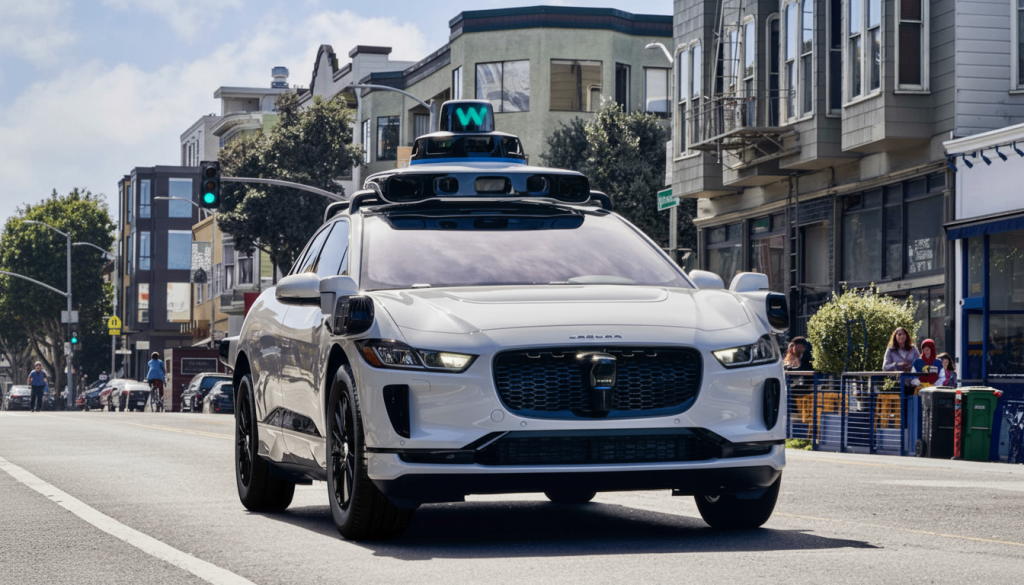
Waymo’s temporary suspension of its autonomous taxi operations in Atlanta following a flood-related incident has reignited serious concerns about whether America’s rush toward driverless transportation is moving faster than the technology can safely support. The pause came after an unoccupied robotaxi reportedly drove into floodwaters and stalled, adding to mounting scrutiny over the company’s broader autonomous vehicle performance in difficult real-world conditions, including construction zones, severe weather, and emergency traffic situations. While proponents continue promoting autonomous taxis as the inevitable future of transportation, the Atlanta shutdown underscores a reality many Americans already suspect: machines still struggle with the unpredictability of human environments, especially in dense urban settings where weather, infrastructure failures, and split-second judgment calls routinely challenge even experienced human drivers. The incident also arrives as Waymo expands aggressively into new markets while competitors race to dominate the autonomous vehicle sector, raising questions about whether Silicon Valley’s ambition is once again outpacing caution.
Sources
https://www.reuters.com/business/autos-transportation/waymo-suspends-freeway-rides-pauses-atlanta-operations-amid-safety-fixes-2026-05-21
https://www.theverge.com/transportation/936129/waymo-freeway-suspend-atlanta-san-antonio-flood-pause
https://apnews.com/article/3e372a80e682f9bebddc17134bcae728
https://techcrunch.com/2026/05/21/waymo-pauses-atlanta-service-as-its-robotaxis-keep-driving-into-floods
Key Takeaways
- Waymo suspended operations in Atlanta after one of its autonomous vehicles entered floodwaters and became stranded during severe weather conditions.
- The company simultaneously paused freeway operations in multiple cities while updating software tied to construction-zone and flooding performance concerns.
- The incident has intensified skepticism over whether autonomous vehicle companies are prioritizing rapid expansion and investor expectations ahead of fully proven public safety reliability.
In-Depth
The Atlanta suspension may prove to be more politically and culturally significant than the autonomous vehicle industry wants to admit. Americans have historically embraced innovation, but they also expect competence, accountability, and common sense before widespread deployment of experimental technology into everyday life. The sight of a driverless taxi stranded in floodwaters plays directly into public fears that Silicon Valley’s obsession with disruption often ignores practical realities experienced by ordinary citizens.
What makes this episode especially damaging is that it did not occur in a sterile testing environment. It happened in a major American city already known for difficult traffic patterns, unpredictable weather events, and infrastructure stress. Human drivers understand instinctively when roads appear dangerous, when visibility becomes compromised, or when conditions simply “don’t feel right.” Artificial intelligence systems, no matter how sophisticated, still operate through programmed assumptions and sensor interpretation. That distinction matters enormously when lives and public safety are involved.
The timing also raises uncomfortable questions for the autonomous driving industry. Companies are under immense pressure to scale operations quickly, establish market dominance, and justify enormous investor spending. But aggressive expansion into increasingly complex urban environments creates more opportunities for failure. Every viral video of a stalled robotaxi or confused autonomous vehicle chips away at public confidence.
Supporters of autonomous transportation argue that the technology will eventually reduce accidents, eliminate impaired driving, and improve efficiency. Those goals are admirable. But Americans are also justified in demanding proof before surrendering public roads entirely to software systems that still appear vulnerable to situations human drivers navigate every day. The Atlanta shutdown serves as another reminder that technological progress without demonstrated reliability is not progress at all.